
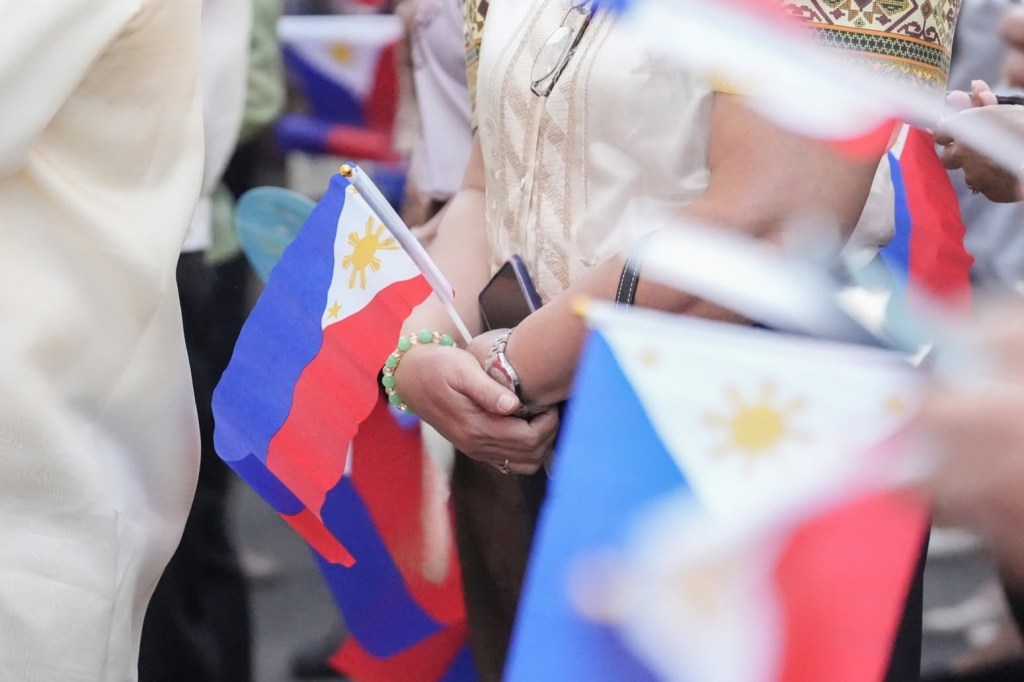
AS THE nation celebrates today, June 12, the 128th Philippine Independence Day, one aspect of freedom takes on a more profound significance for Filipinos: freedom from want.
As one of the “four freedoms” first articulated by U.S. President Franklin D. Roosevelt in his 1941 (alongside freedom of speech and expression, freedom of religion, and freedom from fear), freedom from want hits us squarely in the gut more than the other political freedoms do.
Freedom from want means access to basic needs: sufficient food, adequate clothing, and proper shelter. It means economic security—the right to be protected against poverty borne by unemployment, illness, and old age. In the barest terms, it simply means nobody should be in the dire situation of having to worry about where his next meal would come from, or how to be clothed the next day, or where to sleep the night.
VULNERABLE SECTORS
In the Philippines where poverty incidence is placed at 15.5% of the population, according to 2023 data from the Philippine Statistics Authority (PSA), about 17.5 million Filipinos live in poverty. While that figure has shown improvement from 18.1% in 2021, economic experts still note that 58.7%, or more than half of the 117.7 million Filipinos, are vulnerable to falling into poverty when facing economic or health problems.
Recent independent surveys also showed that 35% of Filipinos, or about 9.2 million families, still rated themselves as poor. That is also an improvement over the 37% rating in the fourth quarter of 2025, and a huge leap from 54% recorded in the third quarter of the same year.
Still, 56% of Filipinos in Mindanao rated themselves as poor; 44% in the Visayas, and 25% in Luzon, except Metro Manila where the rating is lowest at 21%.
TELLING STATISTICS
The Zambales situation reflects the national trend, as poverty incidence among families is placed at 16.8% of the population (excluding Olongapo City). This figure, the PSA noted, historically fluctuated between 16.5% and 20.8% depending on seasonal agricultural shifts. Which means that more Zambaleños experience poverty during periods when they cannot plant crops or fish in the sea.
Another telling statistic is that about localized pockets of poverty in the province. According to the Department of Social Welfare and Development, the towns of Subic and Botolan consistently recorded the highest magnitude or total numbers of lower-income households in the province.
This led experts to conclude that the higher incidence of poverty in these localized pockets is due to dependence on agricultural and coastal economies. The urbanized city of Olongapo, on the other hand, enjoys a low poverty level of 7.5% because of robust economic performance connected to trade and tourism in the nearby Subic Bay Freeport.
Another factor in how poverty is felt locally is the cost of living. The PSA noted that, paradoxically, Zambales has historically maintained the highest localized poverty threshold in Region III, with over P26,000 required for per family to not be considered poor. However, it pointed out that “high local living costs make it harder for low-income families (in Zambales) to cross out of poverty, compared to a province like Aurora (yet with a higher poverty incidence of 26.3%), which has a cheaper cost of living.”
The key takeaways are clear: agriculture and fishing should be further developed for them to be productive all year round; commercial trade and industry must be decentralized to reach rural areas; and communities must be self-reliant enough to have adequate food supply, housing, and transportation facilities to lower the cost of living. ▲




Leave a comment