

By Henry Empeño
CLARK FREEPORT ZONE — The Bases Conversion and Development Authority (BCDA) is considering the operation of a self-driven cable car system to provide alternative transportation and improve accessibility at Camp John Hay, a former military facility in Baguio City which is now a popular mountain retreat.
The BCDA said in a statement that the agency formalized two agreements with Japanese organizations during a high-level visit to Tokyo to ensure the smart and sustainable development of John Hay Special Economic Zone, New Clark City, and other economic zones under its management.
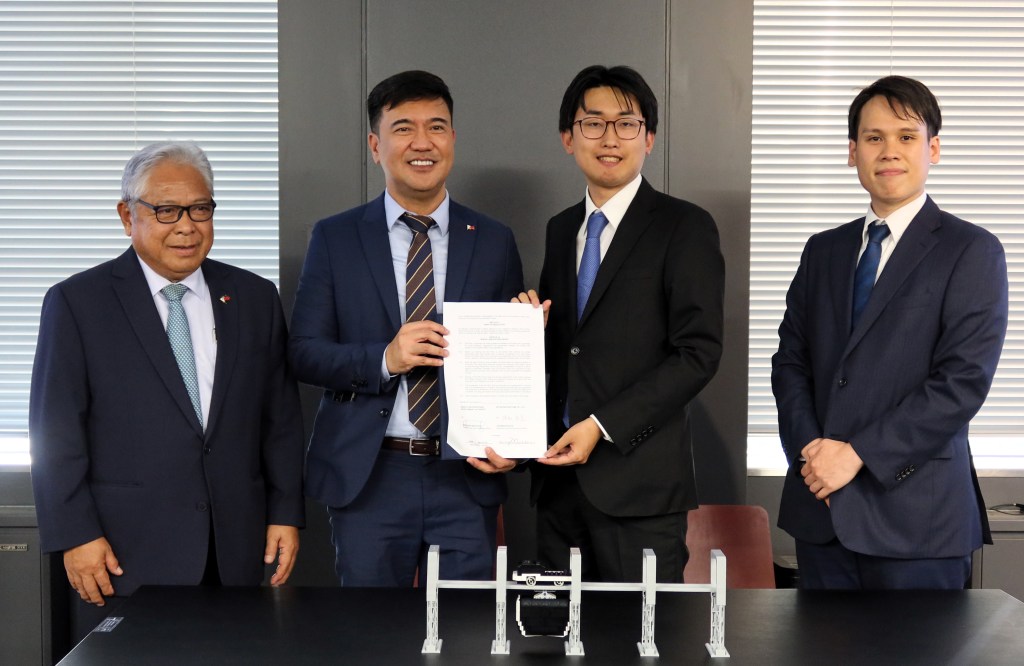
The first was a memorandum of understanding that BCDA President and CEO Joshua M. Bingcang signed with Zip Infrastructure Co. Ltd. CEO Takamasa Suchi to determine the viability of operating a self-driven cable car system at Camp John Hay.
“This technology promises to enhance urban mobility, reduce traffic congestion, and promote environmentally sustainable transportation solutions,” Bingcang said in the statement.
“By leveraging Zippar technology, we can create a seamless and efficient transport system within Camp John Hay, making it more accessible and enjoyable for residents and visitors alike,” he added.
The BCDA said that under this agreement, Zip Infrastructure shall prepare a feasibility study for the operations and maintenance of its self-driven cable car system called Zippar.
The Zippar system is touted to be a versatile design that allows riding in curves and branches while remaining automated and driven from a control center.
During the Japan trip, the BCDA also signed a three-year partnership with the Organization for Public-Private Partnerships Promotion Support (OPPS) of Japan to promote investment opportunities in New Clark City and other BCDA economic zones to Japanese companies.
Bingcang signed this agreement with OPPS Director and Vice President Kimikazu Uemura, with Japanese officials in the transportation, tourism, infrastructure and urban development signing as witnesses.
OPPS is a group of Japanese companies providing support services to realize public-private partnerships and private finance initiatives. It helps industries screen infrastructure projects and supports coordination between Japanese companies and partner governments.
Bingcang said that through this partnership, the BCDA and OPPS seek to create business opportunities, promote information exchange between the public and private sector, and scope appropriate modes of partnership with Japanese investment firms.
Expected investment participation will come from such areas as housing, estate management, sports facilities operations and maintenance, transportation, waste-to-energy, smart city development, and retail, among others.
Bingcang said that leveraging on the OPPS network and expertise to attract investment and foster international partnerships “will be crucial and invaluable in raising awareness about the opportunities available in New Clark City and in facilitating collaborations with global stakeholders.”




Leave a comment