
THE National Grid Corporation of the Philippines (NGCP), a private consortium that operates, maintains, and develops the state-owned power distribution network, has launched a transmission-side battery energy storage project to boost grid flexibility amid tight supply conditions related to the 2027 El Niño phenomenon.
Under “Project Airbag,” NGCP will deploy battery energy storage systems (BESS) that can store available electricity and release it when the grid is under greater pressure, giving NGCP an additional fast-response tool during short-duration shortages and system disturbances.
The initiative comes as the Visayas continues to experience tight supply conditions aggravated by simultaneous generator outages.
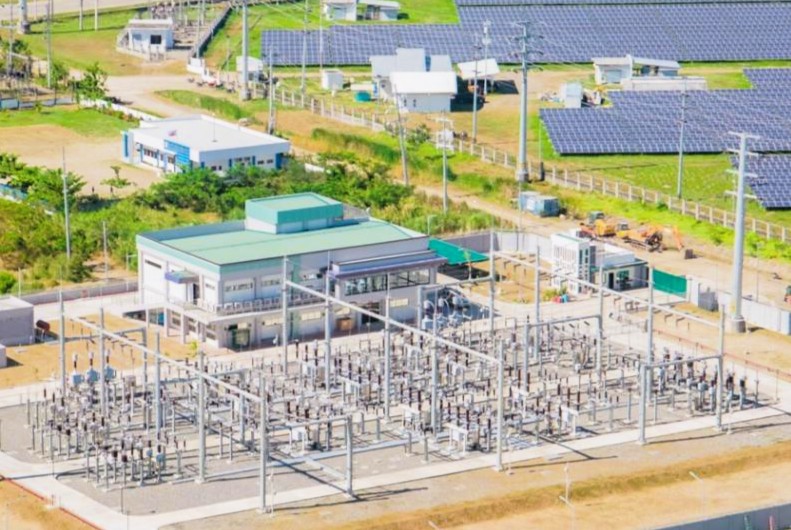
NGCP noted that while new generation capacity remains the fundamental long-term requirement, BESS can be deployed more quickly and help reduce immediate system vulnerability, as additional power plants and other infrastructure are being developed.
“Project Airbag is not being presented as the overall solution to generation adequacy,” NGCP said. “Batteries do not create electricity and cannot substitute for sufficient dependable generation over prolonged periods. They can, however, provide the grid with greater flexibility while the country develops the additional generation capacity it needs.”
Preparing for El Niño
NGCP said the planned battery rollout is not limited to the Visayas, adding that the company is also looking at the wider Philippine grid as the power sector prepares for possible effects of El Niño next year, particularly reduced hydroelectric output in areas dependent on rainfall and reservoir levels.
Battery systems can capture electricity available during periods of higher supply, including daytime solar production, and release it during evening peaks, periods of reduced hydro output, or other tight system conditions, it noted.
Early deployment of storage is intended to strengthen the grid before supply conditions deteriorate rather than respond only after shortages occur, NGCP added.
Long-term grid capability
NGCP also stressed that the need for battery storage extends beyond the current Visayas situation or a single El Niño cycle.
“As electricity demand increases and the country’s generation mix becomes more diverse and variable, the transmission system will require greater flexibility to balance supply and demand and accommodate changing patterns of generation,” the firm pointed out.
It said strategically located battery storage can provide fast-response support during disturbances, improve the utilization of existing transmission infrastructure, and help shift available energy from periods of high production to periods of greater demand.
Battery storage can therefore form part of the country’s longer-term transmission infrastructure and grid resilience strategy, subject to the appropriate regulatory processes, the NGCP said.
Widening access to energy sources
Project Airbag also intends to support a transmission system to accommodate energy from a wider range of sources, regardless of scale, location, or configuration.
These can include large-scale generating facilities, embedded generation, distributed energy resources, net-metered facilities, rooftop solar, and other emerging sources.
NGCP said the objective is not to concentrate participation in the energy sector, but to widen the pool of available energy by enabling more participants and more sources to contribute where technically and commercially feasible.
It said that households, businesses, distribution utilities, communities, agricultural users and other qualified participants can increasingly become part of the country’s broader energy supply system as technology develops and the grid becomes more flexible.
Project Airbag can provide the storage and system flexibility needed to integrate these increasingly diverse and dispersed sources more effectively and reliably.
Over the longer term, greater use of domestic and renewable energy resources can also help reduce the country’s exposure to volatile imported fuel prices and strengthen national energy security.
NGCP reiterated that battery storage is intended to support—not replace—the development of additional dependable generation needed to meet the country’s growing electricity requirements. ▲



Leave a Reply