
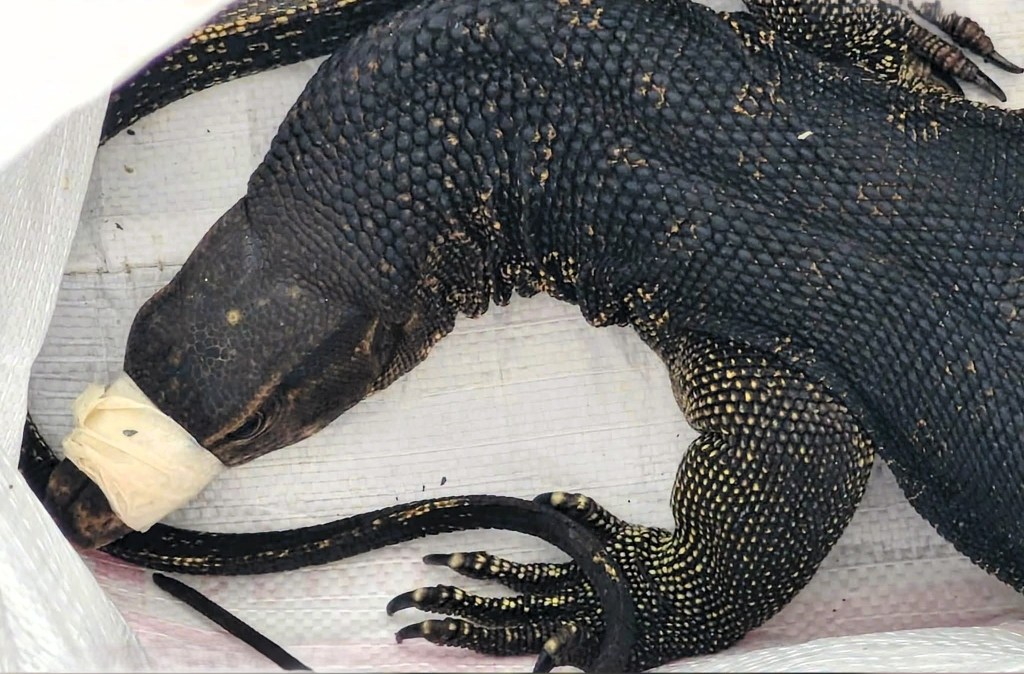
SUBIC BAY FREEPORT — A marbled water monitor (𝘝𝘢𝘳𝘢𝘯𝘶𝘴 𝘮𝘢𝘳𝘮𝘰𝘳𝘢𝘵𝘶𝘴), locally known as ‘bayawak,’ was turned over to the Department of Environment and Natural Resources (DENR) in Olongapo City after it was found inside the premises of a Belgian confectionery manufacturer here.
DENR Community Environment and Natural Resources Office (CENRO) Olongapo City Officer Edward Sernadilla said on Sunday, October 11, that employees of DLA Naturals Inc. secured the monitor lizard to keep it safe and prevent possible harm to company personnel and then turned it over to DENR.
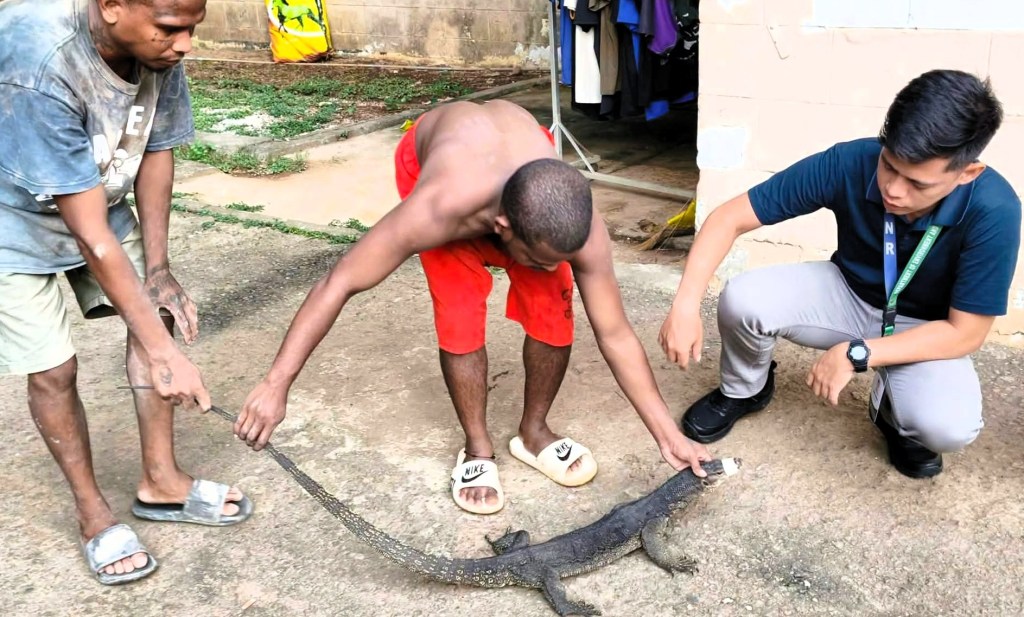
“They turned over the reptile to CENRO Olongapo City for proper handling and assessment in accordance with wildlife protection regulations,” Sernadilla said.
“Following an initial health assessment, we transferred the rescued animal to the Wildlife In Need (WIN) Foundation Rescue Center at the Subic Bay Freeport Zone,” he added.
The marbled water monitor is classified as a species of Least Concern (LC) under the Red List of the International Union for Conservation of Nature (IUCN). However, the species remains protected in the Philippines under Republic Act No. 9147, or the Wildlife Resources Conservation and Protection Act of 2001.
Sernadilla said the reptile will undergo veterinary evaluation, health monitoring, and appropriate dietary care at the WIN while its condition is assessed for possible release back into its natural habitat.
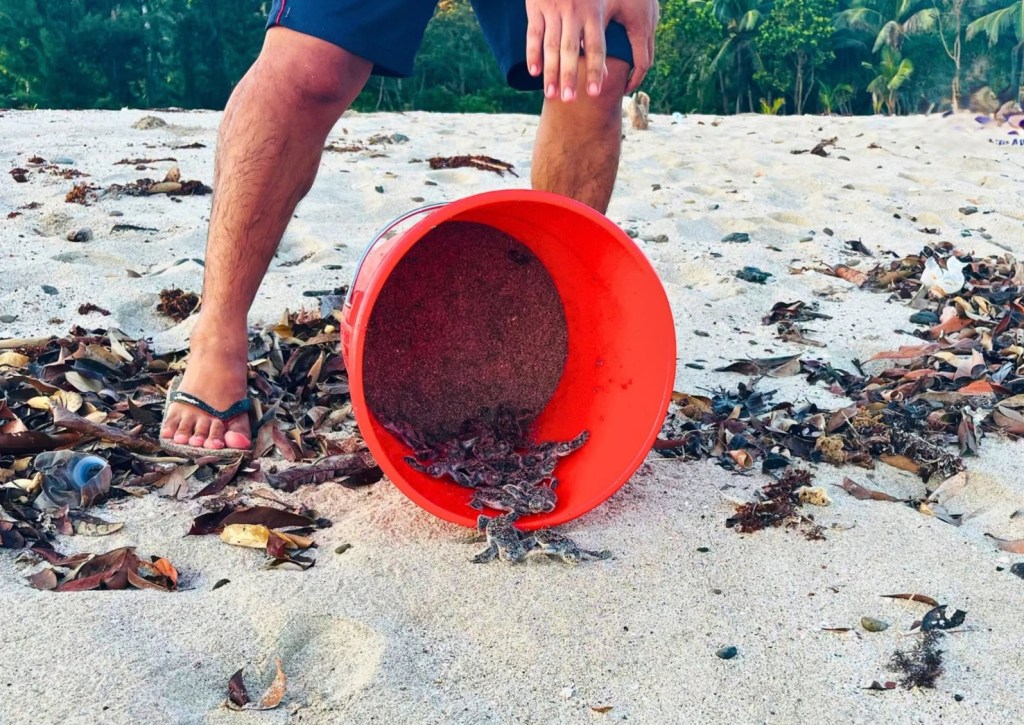
Meanwhile, more than 170 green sea turtle (𝘊𝘩𝘦𝘭𝘰𝘯𝘪𝘢 𝘮𝘺𝘥𝘢𝘴) hatchlings were released along the coast of Sitios Diguisit and Dicasalarin in Barangay Zabali, Baler, Aurora also on Sunday.
Marivic Santos, CENRO head in Maria Aurora, said the hatchlings were found in separate clutches within the Aurora Watershed Forest Reserve (AWFR) and were released with the help of the Baler municipal environment office and local beach resort operators.
Santos said green sea turtles contribute to nutrient cycling, support marine biodiversity, and help sustain productive coastal habitats.
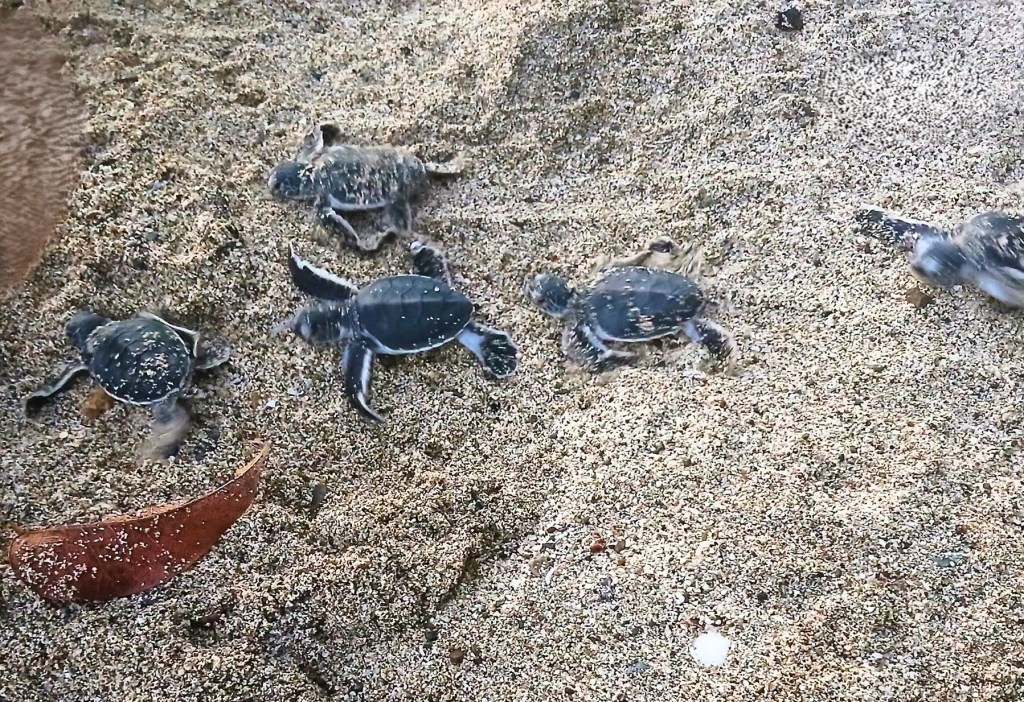
“Thus, protecting their nesting sites and ensuring their safe return to the sea contributes not only to the conservation of the species, but also to the overall health of the marine ecosystem,” she added.
Santos also said that under the DENR’s conservation program, agency personnel conduct information, education, and communication campaigns among residents, resort owners, and fisherfolk to promote awareness of proper marine turtle handling, and teach them how to report sightings and nesting activities, and protect marine turtle nests and habitats.
For his part, DENR Regional Executive Director Ralph Pablo stressed that marine turtle conservation requires more than government intervention.
“The active participation of communities, coastal residents, resort owners, fisherfolk, and other stakeholders is vital to ensuring the continued protection of marine turtle nesting sites and populations,” Pablo said. ▲
▼ All photos by DENR-III


Leave a Reply