
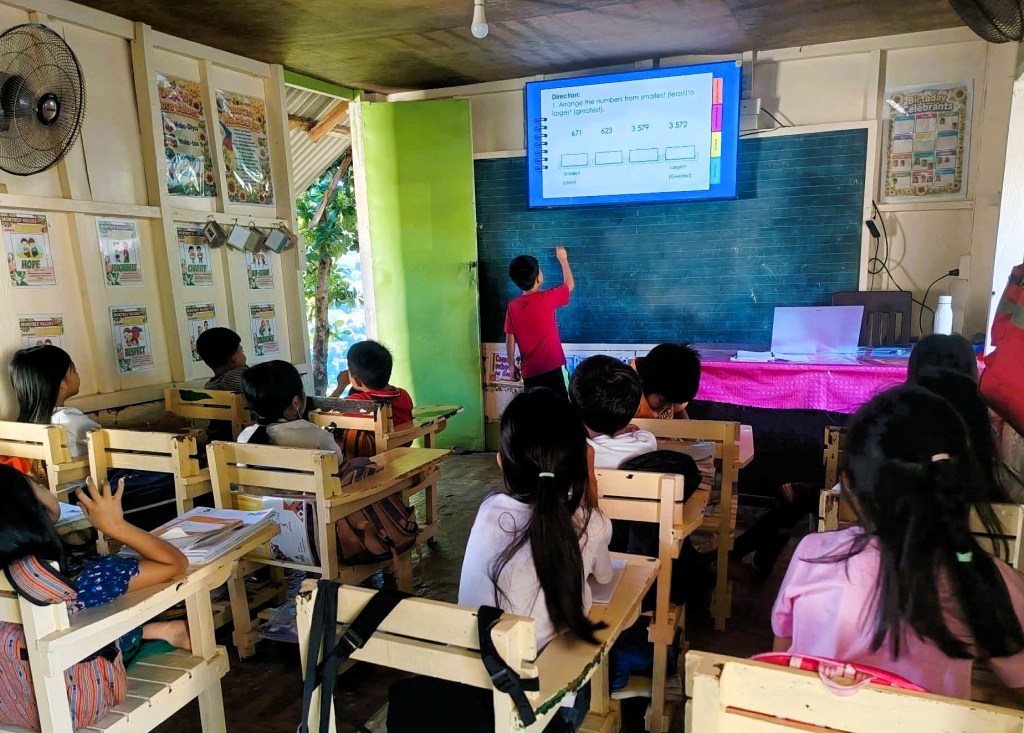
SAN JOSE CITY, Nueva Ecija — Teachers and learners at the remote Batong Lusong Elementary School here recently received a valuable educational tool in the form of a smart TV provided by the San Jose Onshore Wind Power Corp., developer of a 300-megawatt wind farm in the area.
The smart TV, which connects to the internet and allows video streaming, web browsing, and wireless screen projection, is expected to enhance classroom instruction through educational videos and other learning programs.
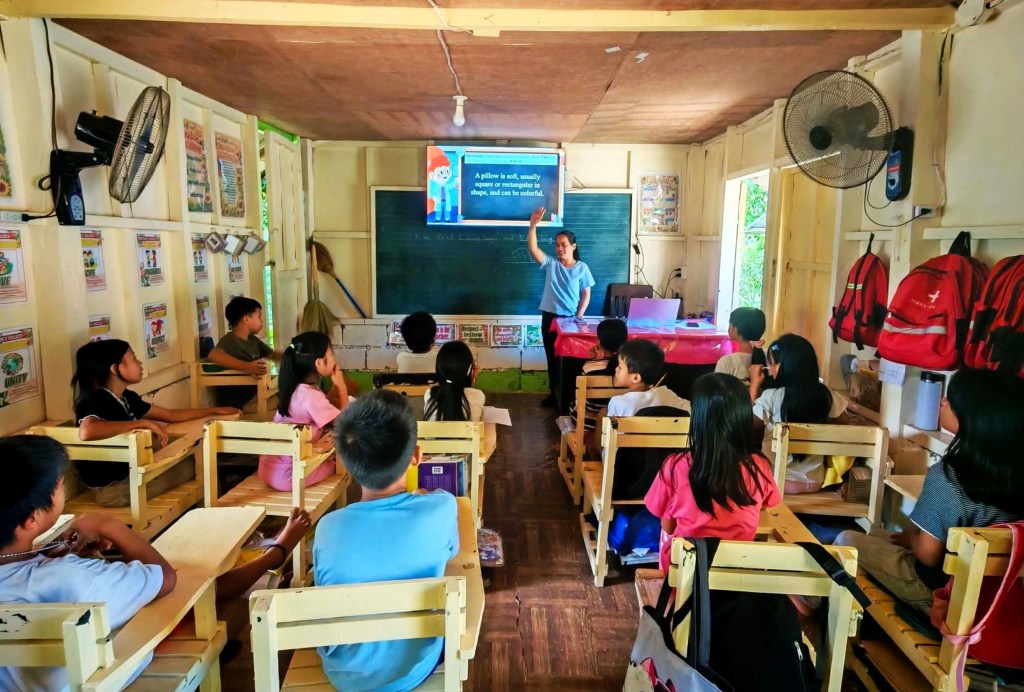
“This will serve as a valuable learning resource for both teachers and learners, particularly in presenting lessons and other educational materials in a more engaging and accessible manner,” said Batong Lusong Elementary School Principal Gorgonio V. Esguerra, Jr.
“We extend our gratitude to San Jose Onshore Wind Power Corp. for their generous support, and we look forward to collaborating on future initiatives that will further benefit our learners,” he added.
The turnover is part of the San Jose Wind Power Project’s community engagement initiatives and its support for local educational institutions.
Batong Lusong Elementary School, which is located at Sitio Batong Lusong in Barangay Villa Floresta, San Jose City, is a public school serving several indigenous people’s communities nearby, including Ibaloy and Kankana-ey ethnolinguistic groups.
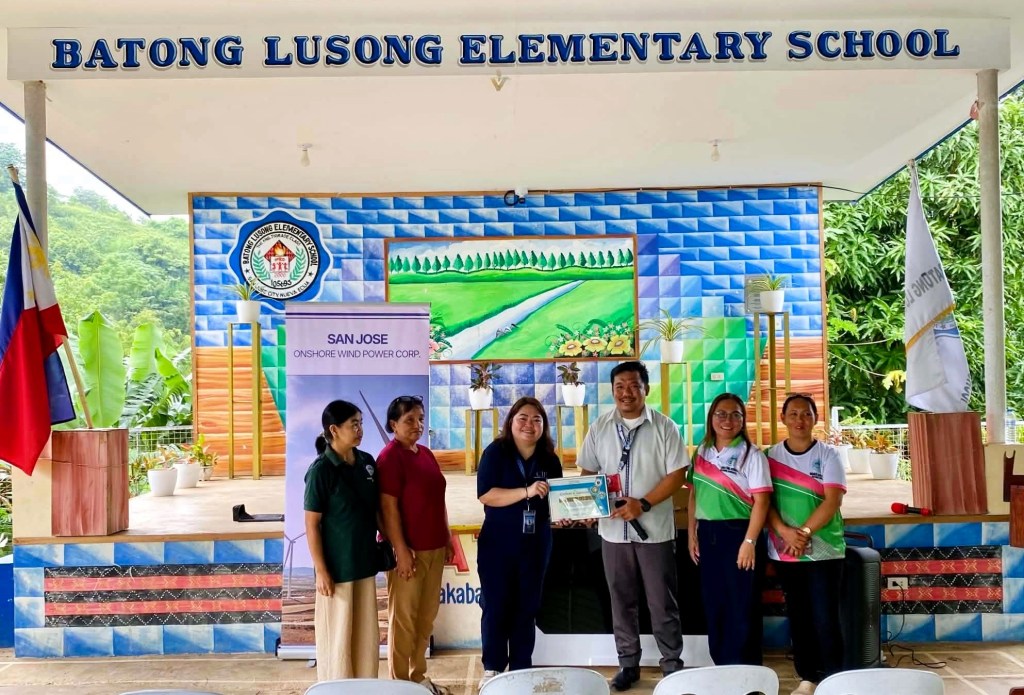
Jason Gavina, head of San Jose Wind Power Project’s External Affairs, said the company aims to provide much-needed assistance that respond to community needs and help create better learning opportunities for local students.
“More than building a renewable power project, we sincerely believe in partnering with schools in empowering the communities. We look forward to even more meaningful CSR collaborations,” Gavina said.
San Jose Onshore Wind Power Corp. is the developer of the proposed 300-megawatt San Jose Wind Power Project in San Jose City and the municipalities of Lupao and Carranglan in Nueva Ecija.
The project is being developed in support of the country’s renewable energy targets under the Philippine Energy Plan and the transition toward cleaner and more sustainable energy infrastructure.
The project, which is backed by the Copenhagen Infrastructure Partners (CIP), has been granted a “green lane” status by the Board of Investments and is slated for completion in the second quarter of 2029. – Taktikom News & Features



Leave a Reply