
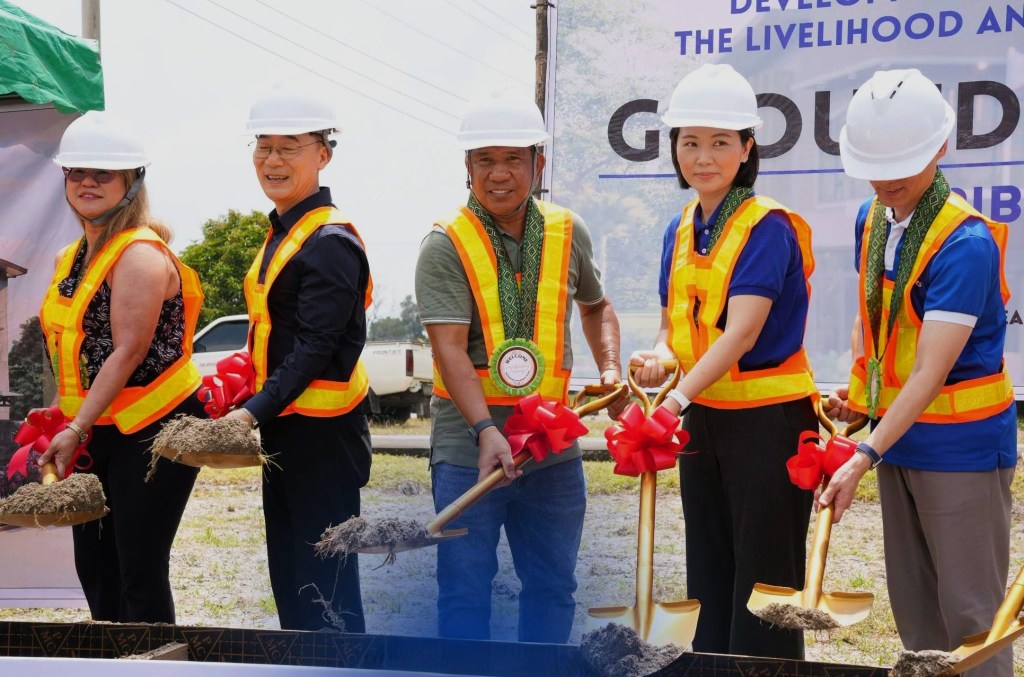
SAN MARCELINO, Zambales — An Agribusiness Incubation (ABI) Center to be built in this town with a $6-million grant from the Korea International Cooperation Agency (KOICA) is expected to help Central Luzon farmers improve farm production and become agri-entrepreneurs.
The agribusiness center will be established as part of a KOICA project to develop community-based agribusiness and improve the livelihoods and incomes of marginal farmers in the region.
Mayor Elvis Soria, along with KOICA Country Director Jung Youngsun, Department of Agriculture Assistant Secretary Genevieve E. Velicaria-Guevarra, and DA Regional Field Office III (DA-RFO III) Regional Executive Director Dr. Eduardo L. Lapuz, Jr., led the groundbreaking ceremony for the agribusiness center in Barangay Rabanes on October 1.
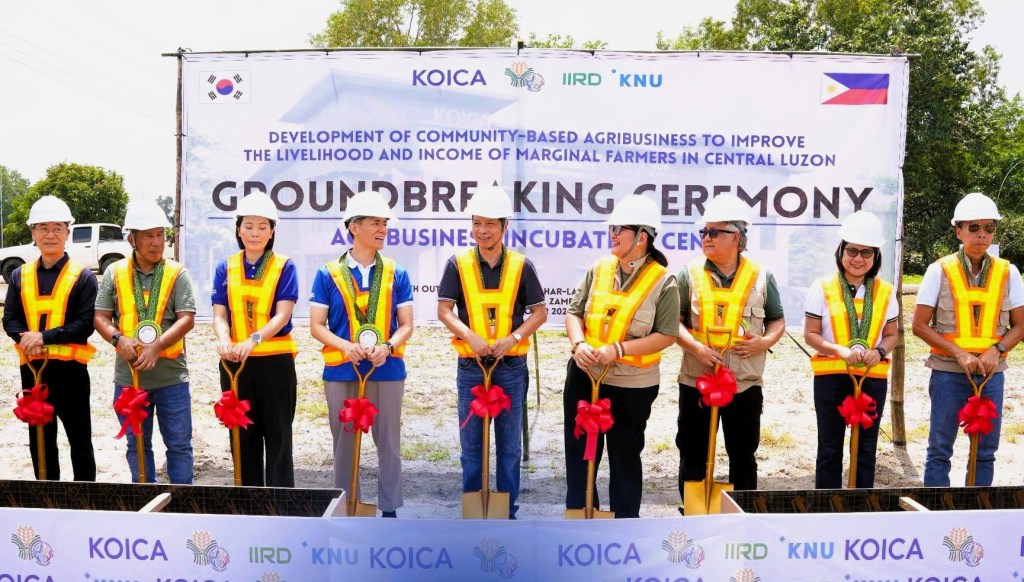
Representatives from the Korean National University also attended the ceremony.
KOICA Country Director Jung Youngsun said the ABI Center is part of an ongoing cooperation program between the Philippines and Korea to develop the agricultural sector.
He said the Korean government, through KOICA, aims to help strengthen the agriculture sector in the Philippines by empowering farmers to establish sustainable agribusinesses, increase their income, and strengthen their communities.
Under the ABI program, beneficiary farmers and farmer organizations will receive support not only in the production phase, but also in growing their agribusiness ventures and expanding into other parts of the agricultural value chain.
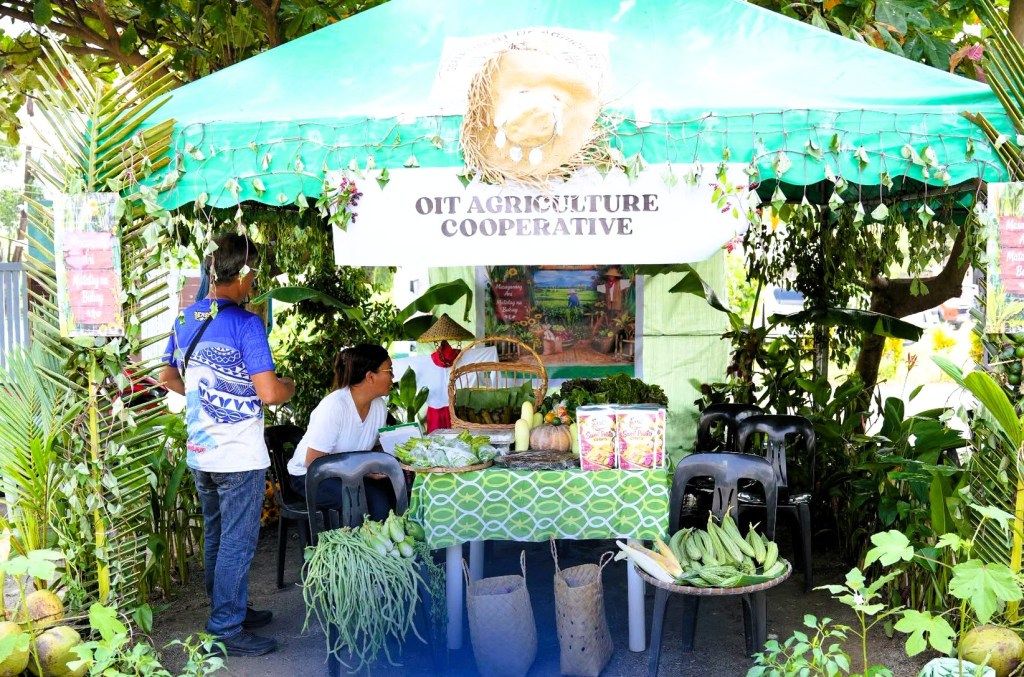
The ABI Center will provide shared office and processing facilities, mentoring, capacity-building activities, and connections to potential financing institutions, markets, and other business opportunities.
Soria acknowledged that these services are essential, especially for small farmers who may already have products and production experience but still need more knowledge in entrepreneurship, processing, marketing, and accessing capital.
As the project continues, the ABI Center is expected to serve not only as a facility but also as a hub for knowledge, technology, mentorship, and opportunities that could open more ways for farmers to improve their livelihoods.
In particular, the project will serve as a venue to share knowledge and experience from Korea in agricultural development and agribusiness incubation that could be adapted in Central Luzon communities.
During the groundbreaking ceremony, Mayor Soria thanked KOICA for the project, pointing out that the facility will help alleviate the plight of marginal farmers, especially those in the upland villages of Sta. Fe and Buhawen. – Taktikom News & Features



Leave a Reply