
By Elsha Marie S. Arguel | September 14, 2026
HISTORY, places, and the sea are taking new forms in Pangasinan—not in textbooks or monuments, but in 19 costumes created by local designers.
The works are featured in the Masanting (Beautiful) Exhibit at the Banáan Pangasinan Provincial Museum in Lingayen, where provincial creatives reinterpret the theme “Pistay Dayat” (Sea Festival) through fabric, structure, color, and design.
More than a display of costumes, the exhibit highlights how local artists can turn cultural heritage into contemporary creative work while creating opportunities to promote Pangasinan talent beyond the province.
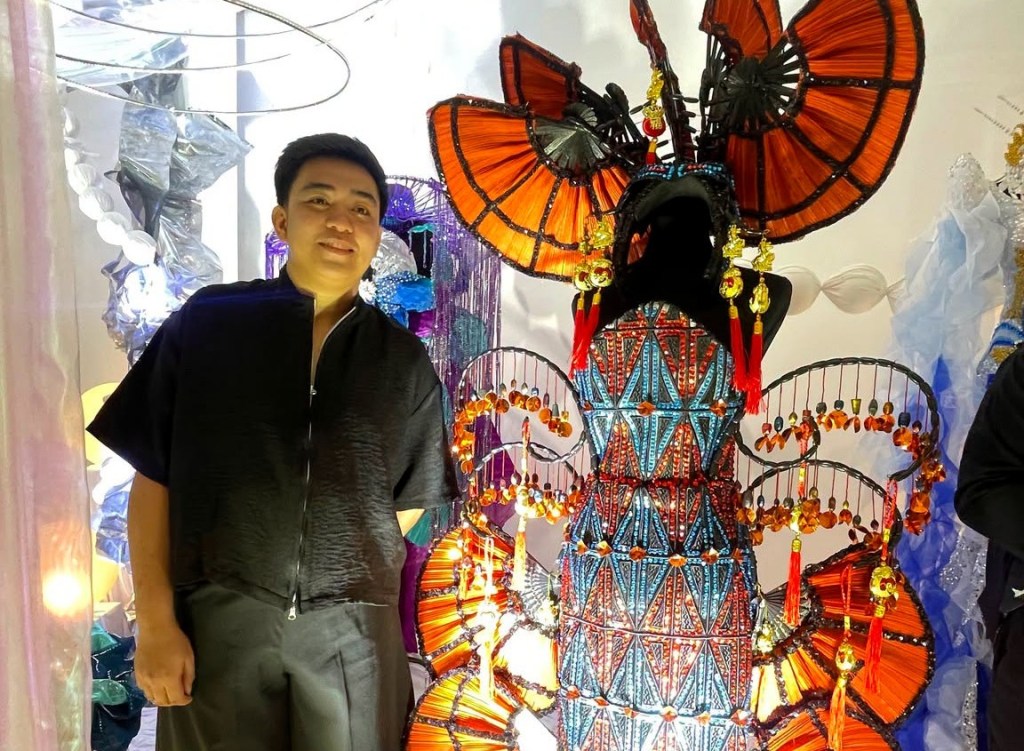
For Rosales-based designer Edison Bergantiños, the theme immediately brought to mind one of Pangasinan’s most recognizable historical figures.
“When we opened the envelope and saw that the theme was ‘Pistay Dayat,’ Limahong immediately came to mind,” Bergantiños said.
His creation draws from the story of Chinese pirate and warlord Limahong, who invaded the Philippines in 1574 and established a stronghold in Pangasinan before escaping through what is now known as the Limahong Channel.
The design process was as much a test of creativity as it was of resourcefulness. Each designer was given a P7,000 budget for materials, which they sourced in Divisoria before producing their pieces during a three-day lock-in.
But for Bergantiños, the project yielded something beyond a finished costume. “We no longer saw each other as competitors because getting to know our fellow designers was also beneficial to us,” he said.
The experience, he added, allowed creatives from different parts of the province to build relationships and exchange ideas—connections that can help strengthen the local creative community.
Malasiqui-based designer Jeffreyson Layug took a different approach, drawing inspiration from familiar sights. His all-white creation for the town’s representative incorporates the structure of the Pangasinan Provincial Capitol, while nipa-inspired details evoke the atmosphere of Lingayen Beach.
For Layug, the project provided more than an opportunity to create. It also gave provincial artists a platform to make their work visible.
“It helps us market ourselves as Pangasinan designers. It can broaden people’s knowledge of our work and help us become known nationally and internationally,” Layug said.
Layug’s experience points to a broader role for cultural projects such as Masanting: creating spaces where provincial talent can be discovered, developed, and connected to audiences beyond its immediate community.
The 19 costumes were produced during Project Masanting Camp, an initiative linked to the Limgas na Pangasinan (Beauty of Pangasinan) pageant.
Although the pageant was not held this year, the provincial government continued the creative project and chose to make the completed works accessible to the public through the museum.
Provincial Tourism and Cultural Affairs Office head Maria Luisa Elduayan said the costumes were originally intended for the pageant’s creative costume competition. “These are their creations, which should have been worn by candidates in the creative costume competition,” Elduayan said.
The decision to exhibit the pieces instead allowed the works—and the stories behind them—to reach a wider audience. The exhibit is part of the Banáan Pangasinan Provincial Museum’s third anniversary celebration and the province’s observance of Tourism Month and Creative Industries Month.
Through the Masanting Exhibit, heritage becomes something visitors can not only see but also interpret in a contemporary way—from Limahong’s story and the province’s maritime identity to its architecture, landscapes, and everyday symbols.
For Pangasinan’s designers, however, the project also represents something more personal: a chance to show that creative talent can emerge from the provinces and that local stories can become works capable of reaching audiences far beyond their place of origin.
The Masanting Exhibit is open until November 30 at Casa Real in Lingayen, inviting visitors to see Pangasinan’s heritage through the eyes—and hands—of its own creative community. (AMB/EMSA, PIA Pangasinan)
 Headline Zambales
Leave a comment