
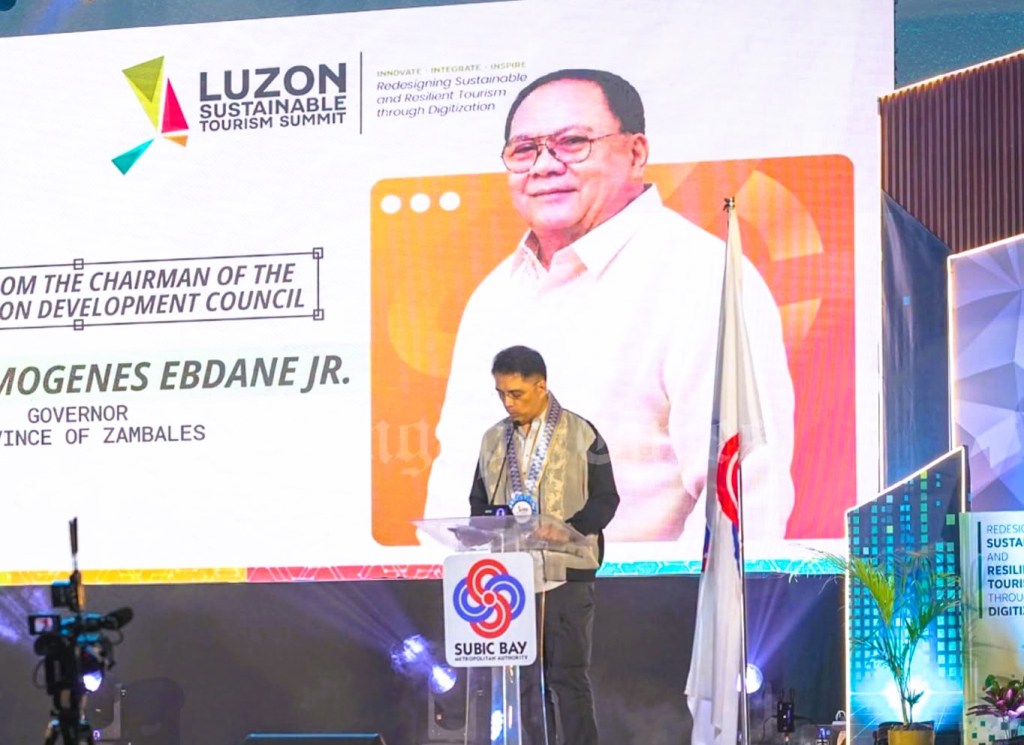
SUBIC BAY FREEPORT (Sept. 10, 2026) — Governor Hermogenes E. Ebdane Jr. reminded tourism officials and stakeholders in Luzon to work together in building a thriving tourism industry today that would also be sustainable in the future.
In a message of support read for him by Zambales Board Member Jun Rundstedt C. Ebdane at the 1st Luzon Sustainable Tourism Summit on Thursday, September 10, the governor emphasized that the future of the tourism industry depends a lot on strong partnership among stakeholders.
“Technology alone is not enough,” he stressed. “The future of tourism depends on collaboration.”
“No province, city, municipality, government agency, or tourism enterprise can build a truly sustainable destination on its own,” he added.
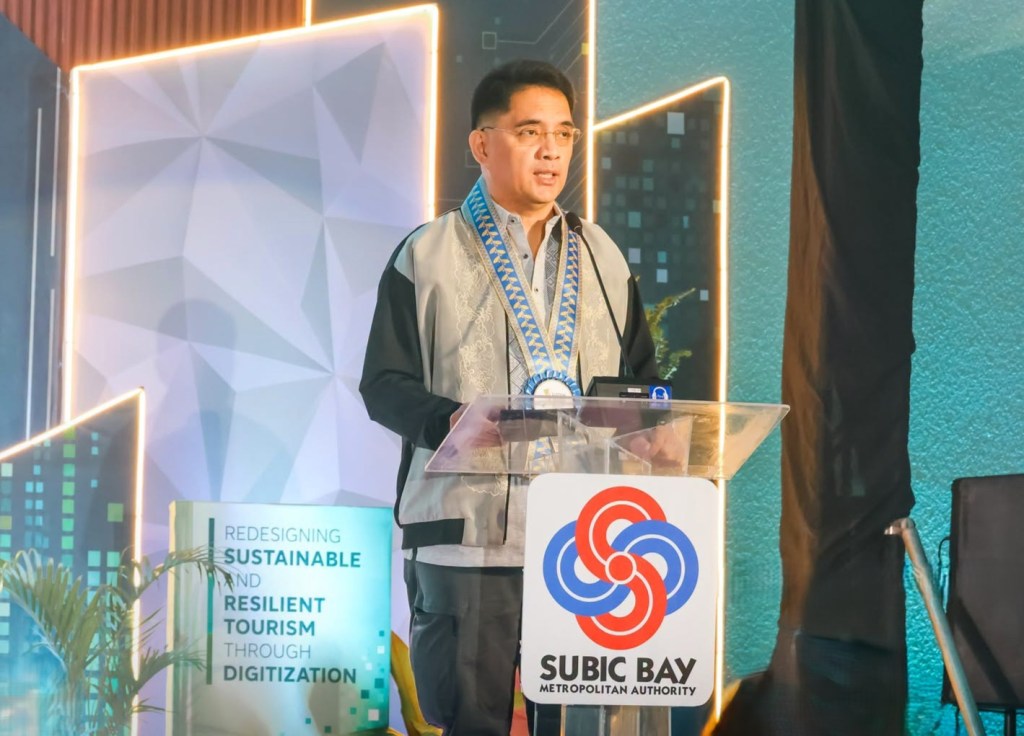
As an example, he cited Zambales and the Subic Bay Freeport as complementary tourism attractions. He said the two areas “demonstrate how natural assets, infrastructure, investments, and community participation can work together to create opportunities for tourism and economic development.”
Gov. Ebdane also pointed out that developing the tourism industry should not only focus on increasing the number of visitors, but also on ensuring that development will not sacrifice the environment and the livelihood of local communities.
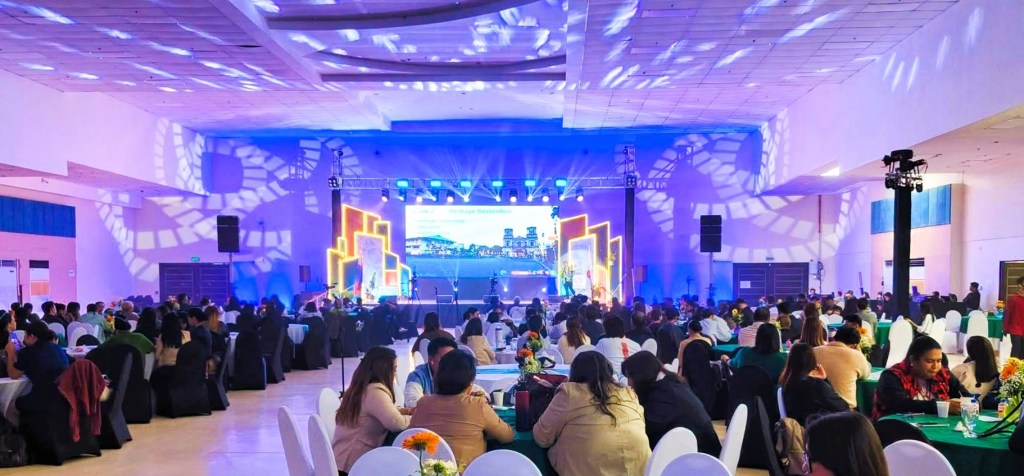
The 1st Luzon Sustainable Tourism Summit, held at the Subic Bay Exhibition and Convention Center (SBECC) on September 9 to 11, brought together local government units, tourism enterprises, the academe, communities, and sustainability advocates.
A message of support was also delivered by DOT Secretary Dita Angara-Mathay through a video message.
Meanwhile, DENR Regional Executive Director Ralph Pablo, representing Environment Secretary Juan Miguel Cuna, emphasized that every tourism destination is also a living ecosystem, a cultural heritage, and a home to communities.
“By embracing regenerative ecotourism and harnessing digitalization, we can heal degraded landscapes, strengthen livelihoods, and connect communities to new opportunities,” Pablo said.
“Our local communities must remain at the center of sustainable tourism efforts, particularly fisherfolk, Indigenous Peoples, entrepreneurs, and the youth,” Pablo added.
With the theme “Innovate, Integrate, Inspire: Redesigning Sustainable and Resilient Tourism through Digitalization,” the convention provided a forum for the exchange of ideas and sharing of innovative practices to strengthen partnerships, and develop strategies toward a more sustainable, resilient, and inclusive tourism industry.
The summit also underscored the need to build a tourism industry that creates jobs and investments while protecting natural and cultural heritage; embraces innovation while remaining rooted in local communities; and develops the resilience needed to face tomorrow’s challenges. ▲


 Headline Zambales
Leave a comment