
By Henry Empeño | August 31, 2026
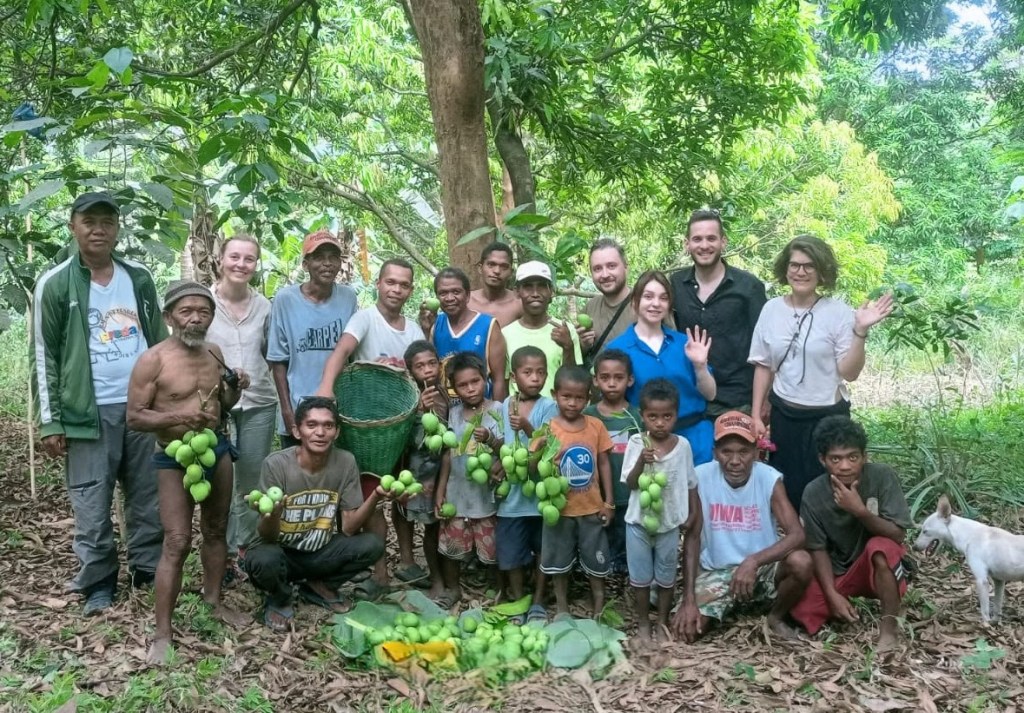
OLONGAPO CITY — Long before fresh Philippine mangoes separately debuted in Canada and made their way to Belgium in June this year, global markets already have had a taste of Zambales mangoes through Preda Fair Trade, a poverty alleviation program that buys out mangoes produced by indigenous Aeta tribes in Zambales.
The mangoes grown by the Aetas in upland communities are not your usual carabao table varieties that are meant to be eaten fresh and raw. Mostly, they are the pico and Indian mango types usually seen in city streets—peeled, skewered, and sold with “alamang” or shrimp paste dip.
Pico and Indian mangoes hardly make it to local markets dominated by Zambales’s world-famous “kinalabaw” mango, which is prized—and better priced—for its sweet taste, tender texture, as well as aroma.
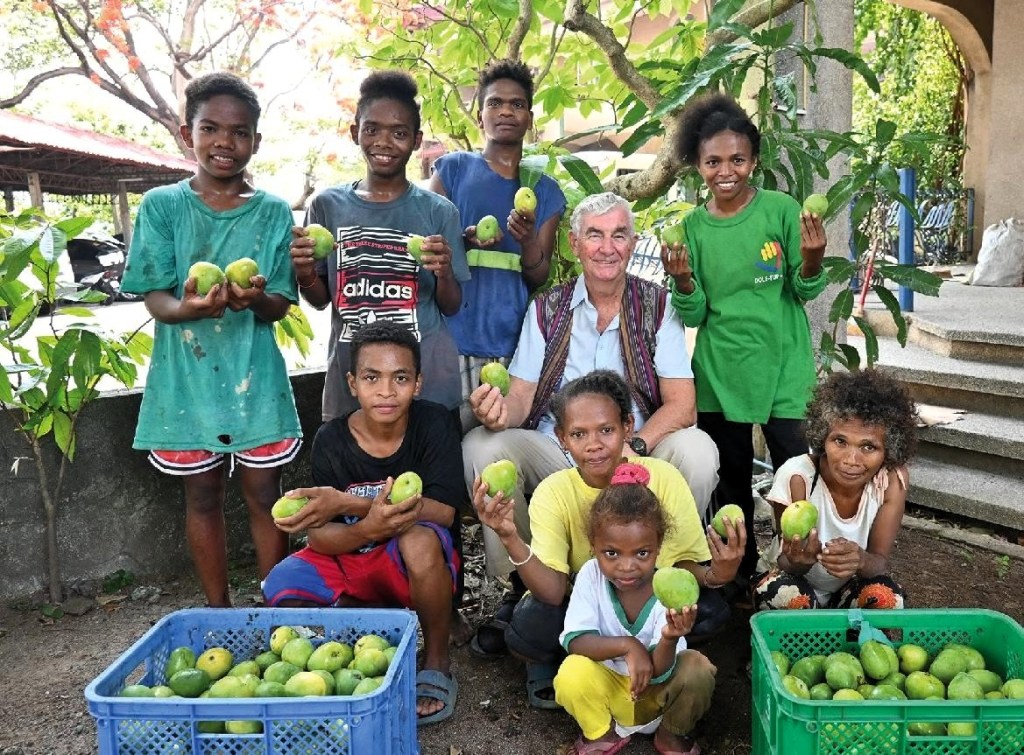
But these “lowly” varieties picked by the Aetas from their forest orchards have made it to tables and kitchens in Europe in many forms: puree, dried fruit, juices, vinegar, fruit slices, or even mango curry, among others. And they have been exported for 20 years now.
A SACK OF MANGO
It all started one day when, by chance, Fr. Shay Cullen, an Irish missionary who founded the Olongapo City-based People’s Recovery, Empowerment and Development Assistance (PREDA) Foundation, met an Aeta woman with two small children and a small sack of mango at the market in San Marcelino, Zambales.
“The woman looked sad and the kids hungry,” Fr. Cullen recalled. Asked why, the woman said that nobody was buying the mango she was selling at P2 per kilo.
Taking pity on them, Cullen bought all her mangoes for P6 per kilo and went home, happy for having helped another soul. But later, the incident gave the missionary much thought: How can he buy more mangoes from poor Aeta vendors and help provide them some livelihood?
Cullen thereafter researched on markets, learned of a buyer in Europe, networked with food processors in the country, contacted Aeta communities in Zambales and verified how they can supply fruits, and then set up a program to give Aetas a better income.
THE MANGO PROJECT
Thus, the Mango Project was born under the Preda’s Fair Trade Program, which seeks to provide better income to marginalized Aeta families, improve their quality of life, as well as reduce their migration to cities as beggars.
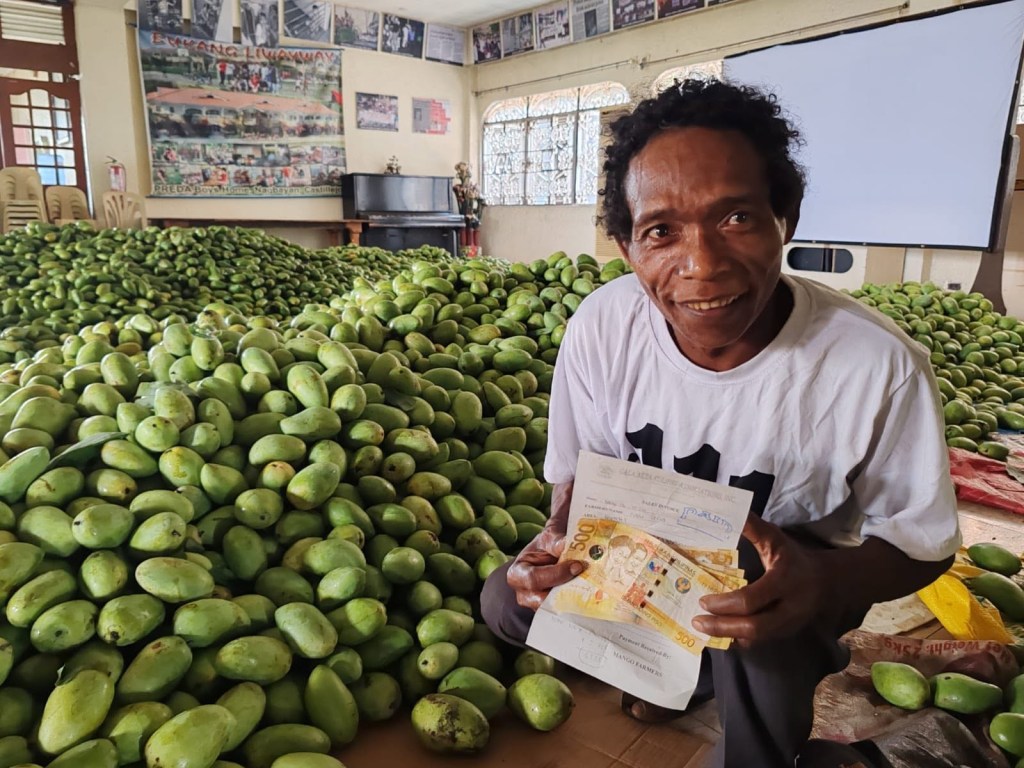
Under the program, Aeta folks like Eduardo Santos Sr. of the Gala Aeta community in Barangay Aningway-Sacatihan in Subic, Zambales bring their mango produce to the Preda Foundation office in Olongapo where the fruits are paid for upon delivery.
The mangoes are grown organically, without chemicals, as a precondition for their acceptance, Cullen said.
Preda buys pico and Indian mangoes at the all-in farmgate price of P18 per kilo, higher than the prevailing price to ensure that the Aeta suppliers earn more from their labors.
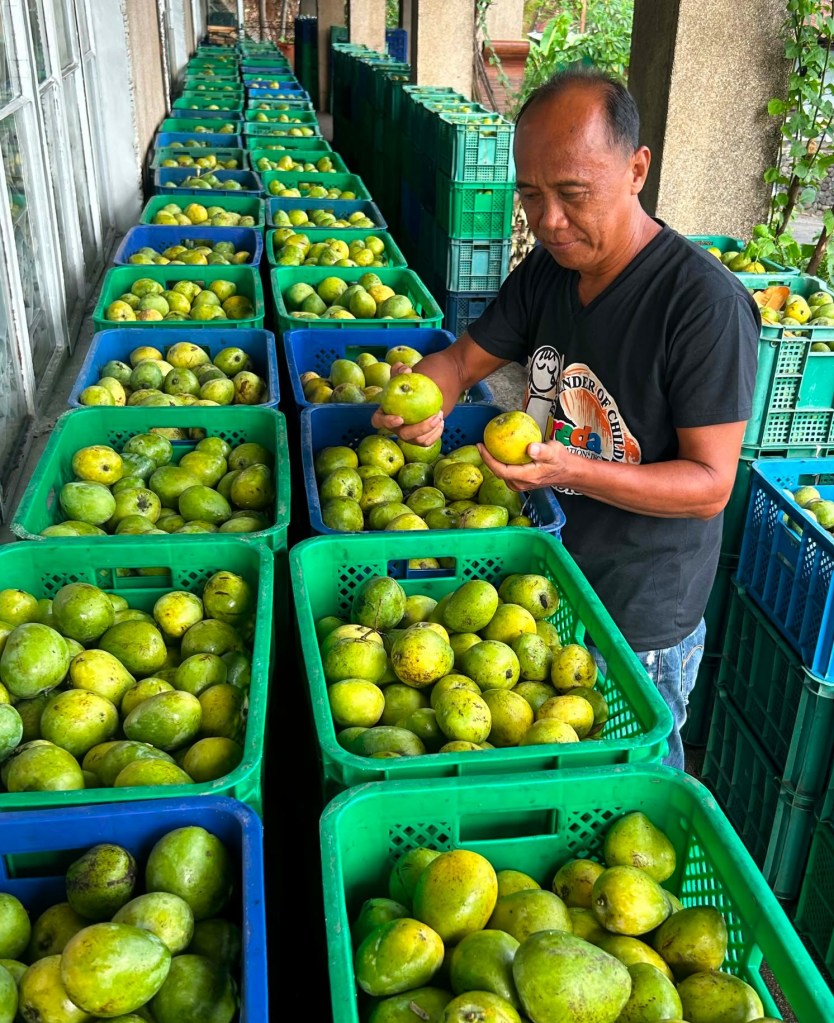
“We buy everything they bring here,” Cullen said, recalling that Aetas delivered some 70 tons of mangoes in 2022.
“The Aetas had a bumper mango crop this year,” Cullen noted. “They usually bring in mangoes by five truckloads at one time.”
“Sometimes, as much as one-third of the deliveries gets rejected at the processing plant because of damage, or because the fruits are overripe, but the Aetas get paid as soon as they deliver,” he added.
Cullen said Preda also gives the Aeta suppliers bonuses as a percentage of the fruits they deliver.
Today, a total of 354 Aeta families from the towns of Subic, Castillejos, San Marcelino, San Felipe, and Cabangan benefit from Preda’s mango buyout program. Lately, one Aeta group in Dinalupihan, Bataan joined in, Cullen said.
THE MANGO NETWORK
After the mangoes are sorted at Preda, they are carted away to the Profood processing plant at the First Bulacan Industrial Park in Malolos, Bulacan.
Profood, reputedly the largest dried mango producer in the Philippines today, produces aseptic fruit purees, dried fruit, juices, preserves, as well as frozen processed fruits that are exported to more than 50 countries worldwide.
Most of the mangoes delivered by Aeta suppliers to Preda are turned into purees by Profood. The purees are then exported through the Profairtrade Development Agency SC Ltd., which is certified by the World Fair Trade Organization.
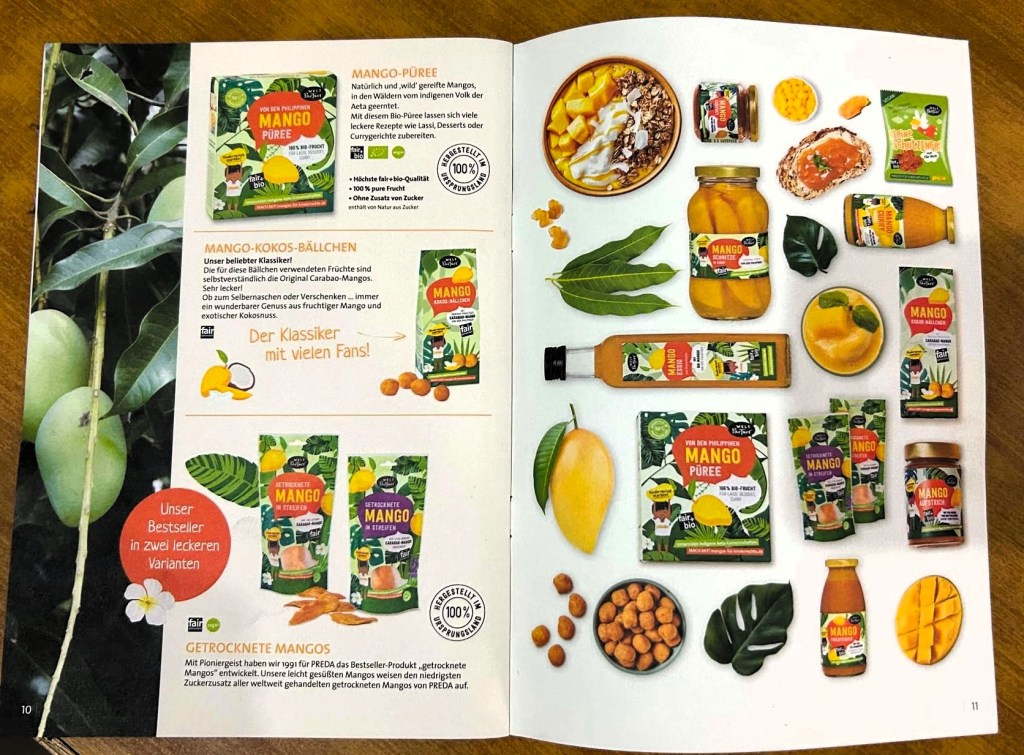
The purees, packaged in aseptic pouches or drums, are then bought mostly by Welt Food GmbH, a prominent German food trading company based in Hamburg, Germany, which operates as importer, exporter and wholesaler.
Cullen said Welt Food is networked with 88 shops in Austria and about 600 food establishments in Germany.
Welt Food markets the mango purees to European beverage shops, commercial kitchens, and bakeries as “carefully selected, sun-ripened mangoes (that) provide a velvety texture and an authentic tropical flavor for smoothies, cocktails, desserts, and culinary creations.”
Welt Food’s mango purees, the company said, are “perfect for juices, milkshakes, ice cream, gelato, fruit teas, and savory sauces.”
BEYOND MANGOES
Aside from buying Aeta-grown mangoes, Preda Foundation is helping Aeta supplier-families in diversifying their agriculture produce.
Preda agriculturist Roger Hermogino said the foundation has distributed over 5,000 seedlings of calamansi, rambutan, and lakatan banana to participants of the Mango Project to develop an alternative income to seasonal mango production.
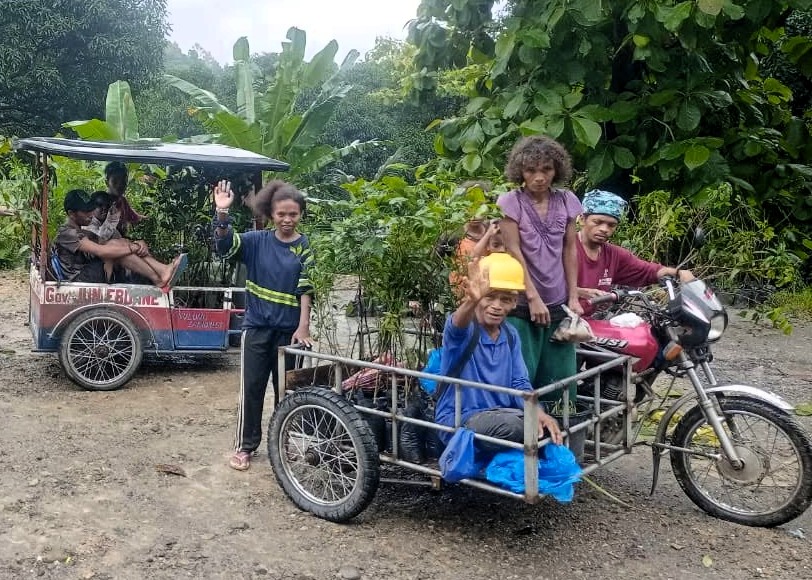
He said the foundation has also helped set up mini-dams and water impounding structures in 13 Aeta villages to improve water supply to their communities and orchards.
Preda’s mango buyout program is not just about selling mangoes, Cullen said. “We encourage them to plant more trees in their communities, thereby helping them strengthen their claims to their ancestral lands.” ▲



 Headline Zambales
Leave a comment