
By HENRY EMPEÑO | August 26, 2026
SAN MARCELINO, Zambales — Food and other basic supplies continue to pour into Barangay Sta. Fe here after the upland village was devastated by heavy lahar flow in the past two weeks, but local officials are struggling to find solutions to a more pressing problem: how to reconnect the barangay that has now remained isolated for 17 days.
Sta. Fe, which hosts the largest operational solar farm in the country today, was cut off from the rest of the municipality after the lahar-filled Sto. Tomas River, which drains from Mount Pinatubo, overflowed and swept away the Sta. Fe Bridge on August 9.
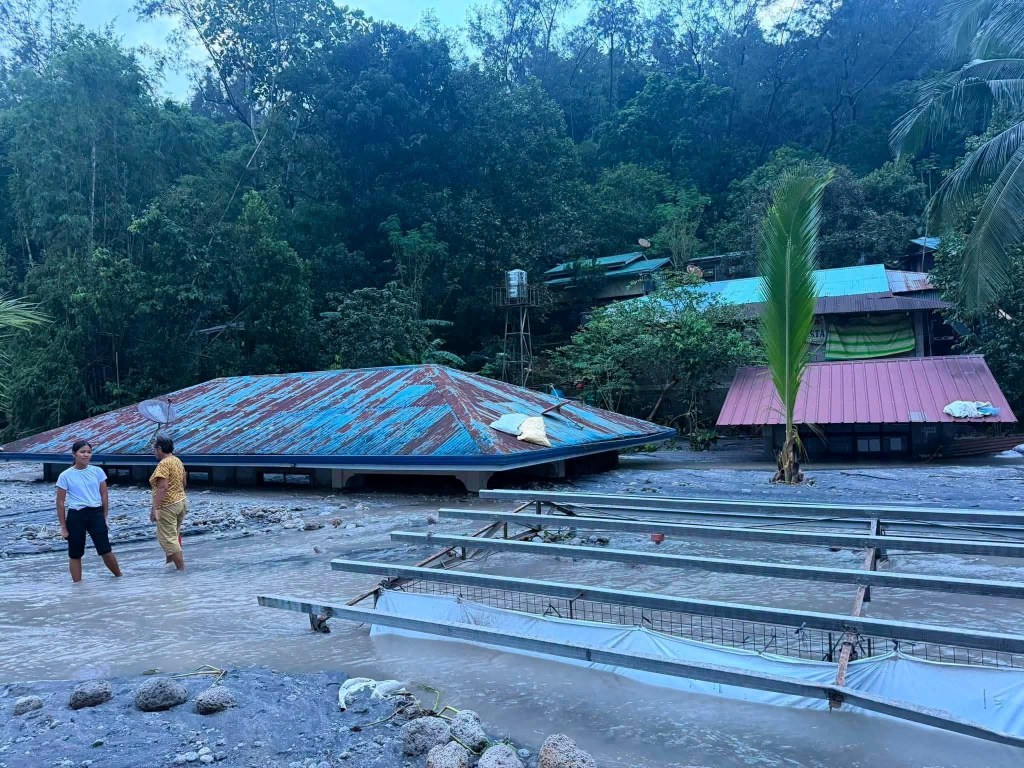
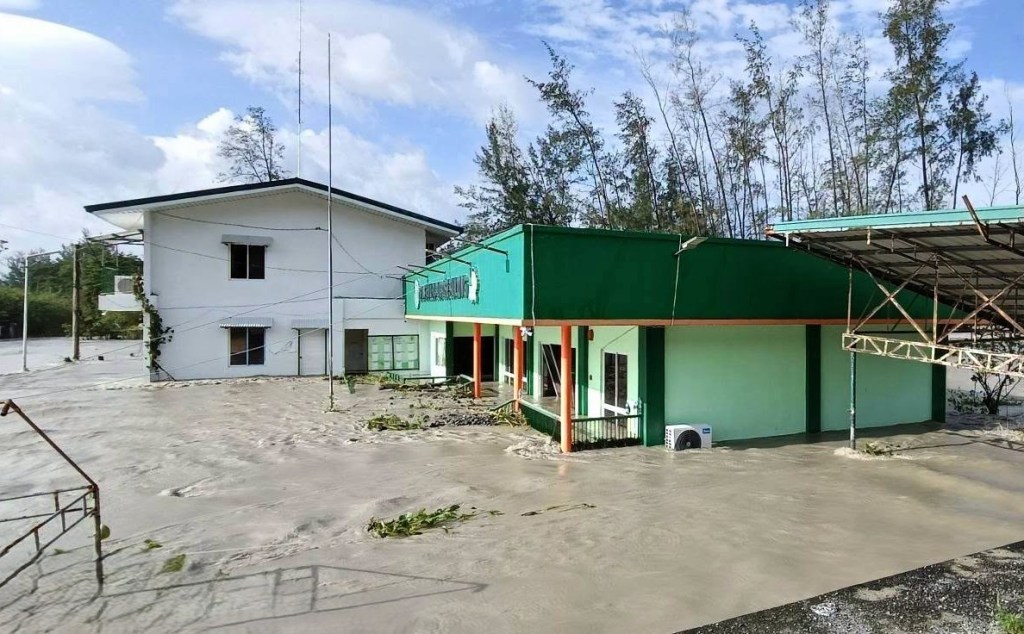
Following heavy habagat rains, the Sto. Tomas River overflowed anew on August 19, breaching approximately 150 linear meters of the river dike protecting Sta. Fe’s north side and flooding residences, school buildings, and barangay facilities with lahar.
The local government unit (LGU) said some 1,000 families remain stranded on the northern part of the village where lahar had overrun and completely destroyed six houses.
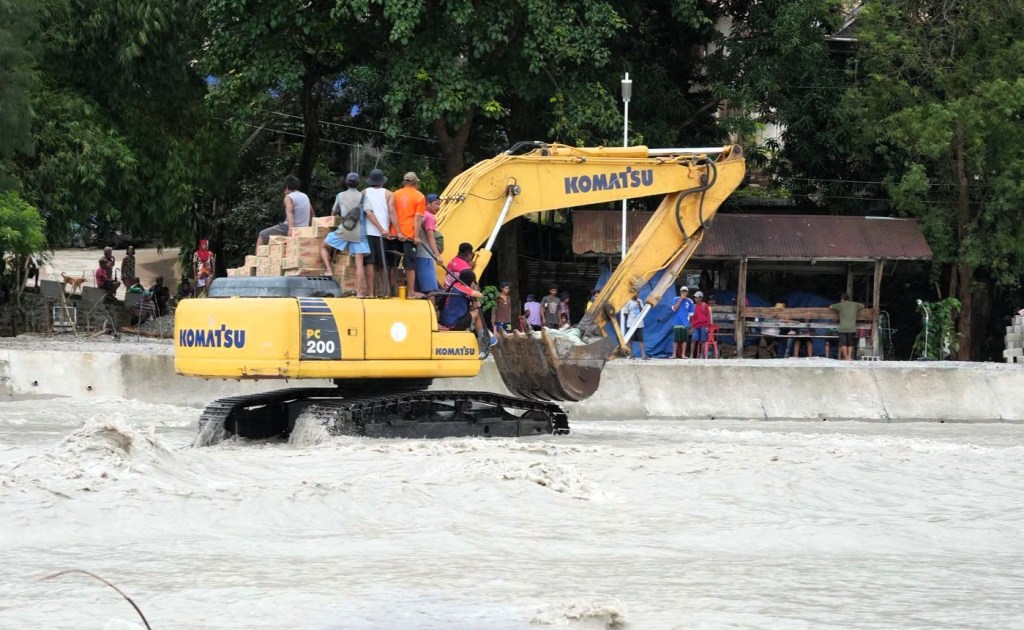
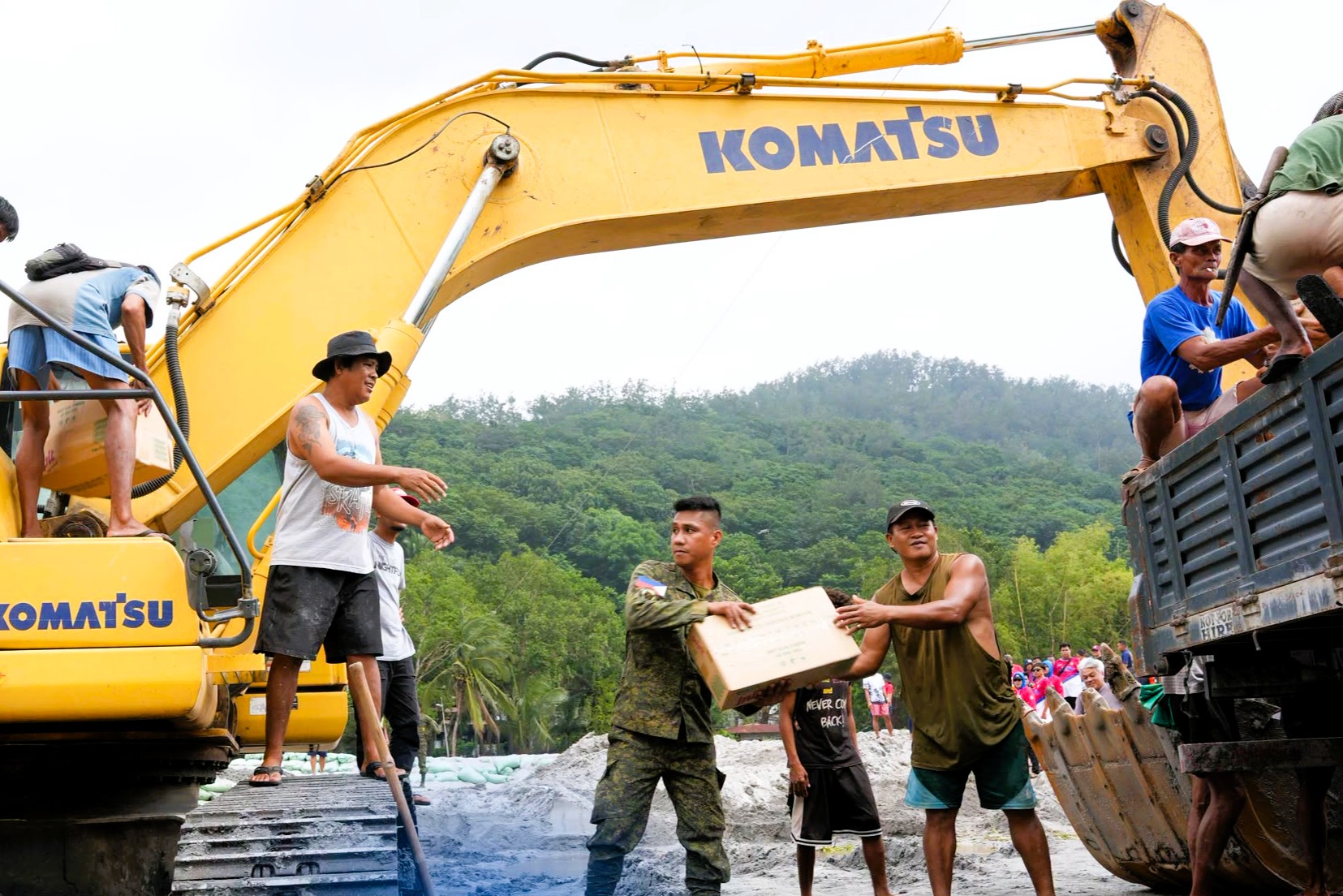
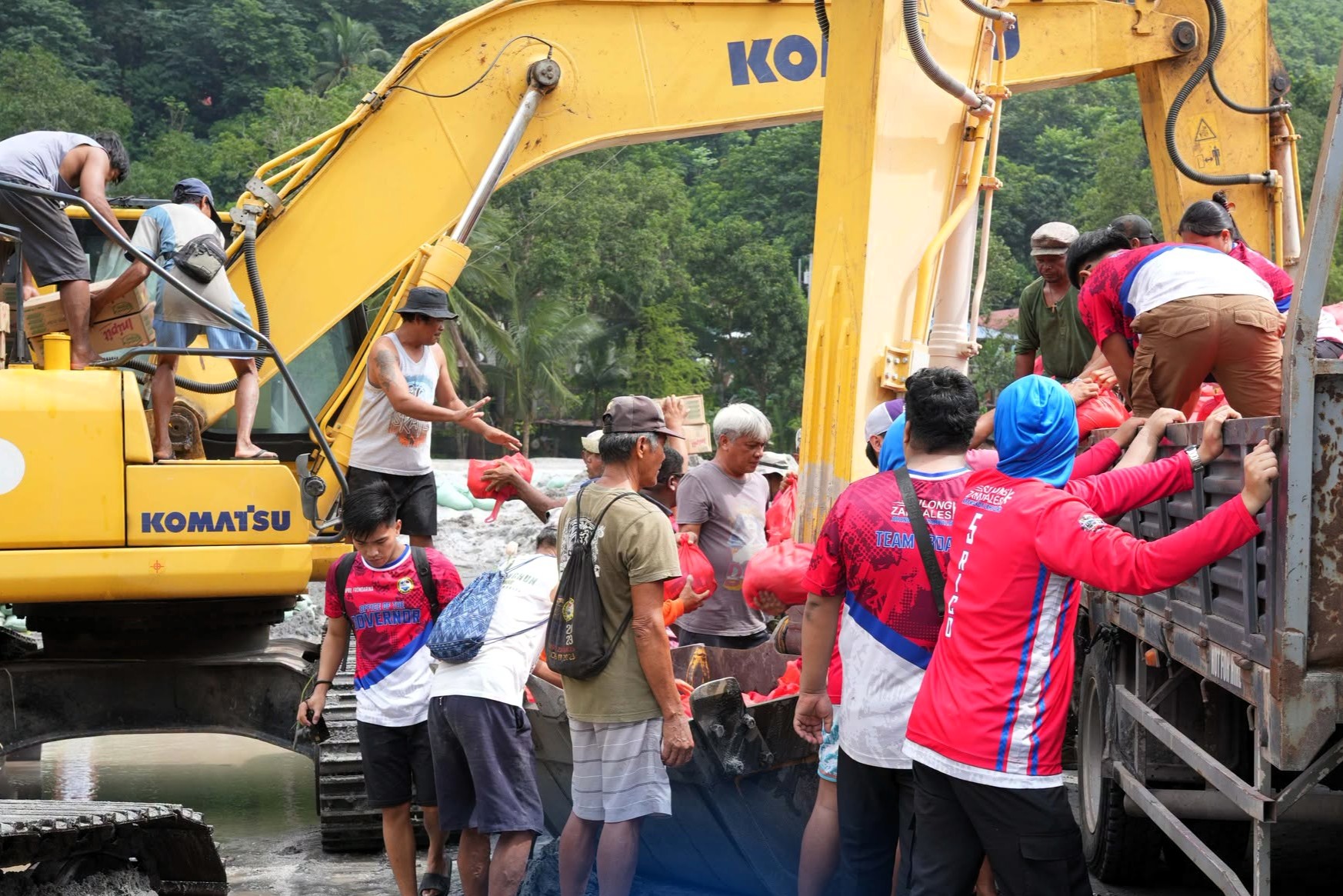
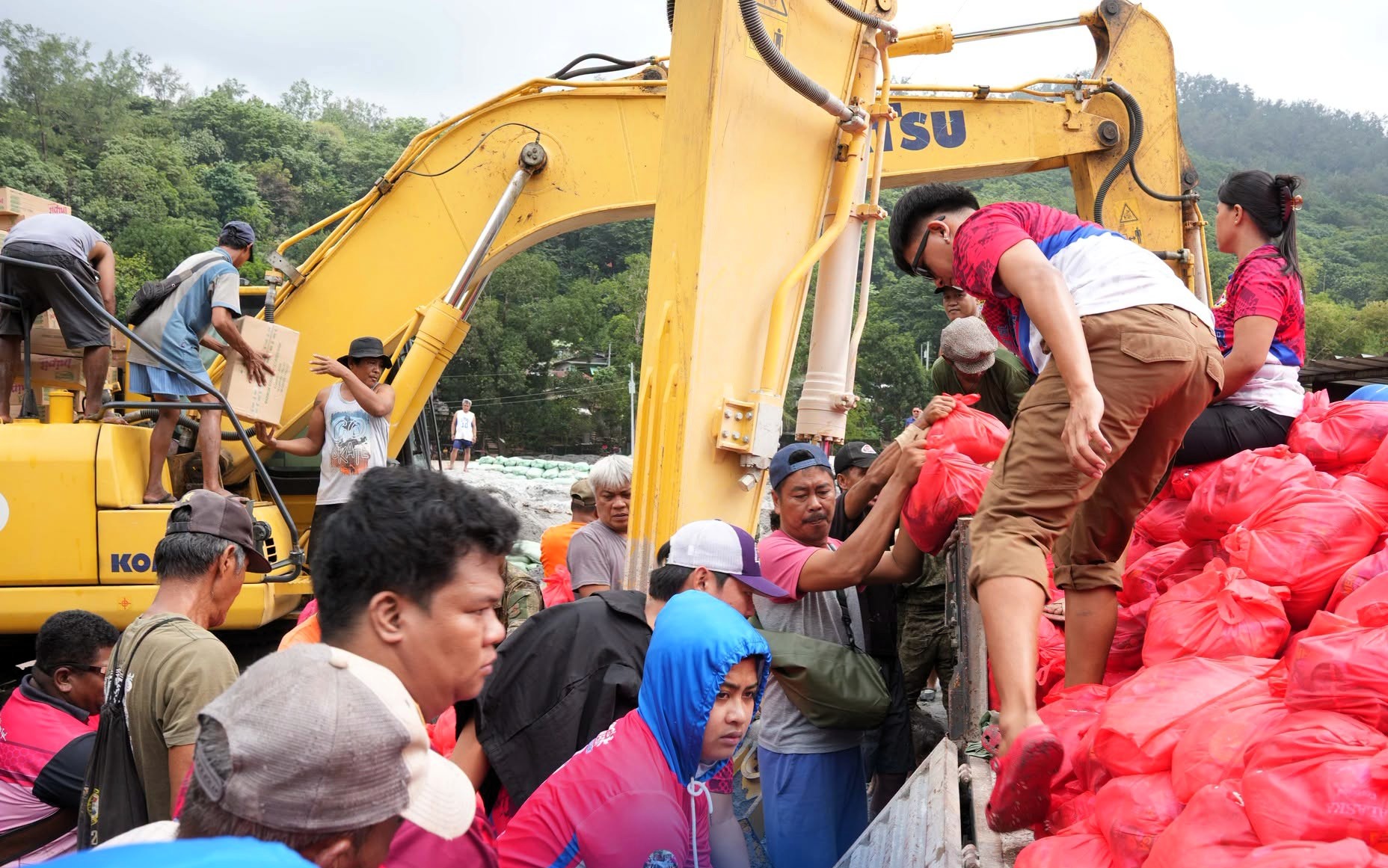
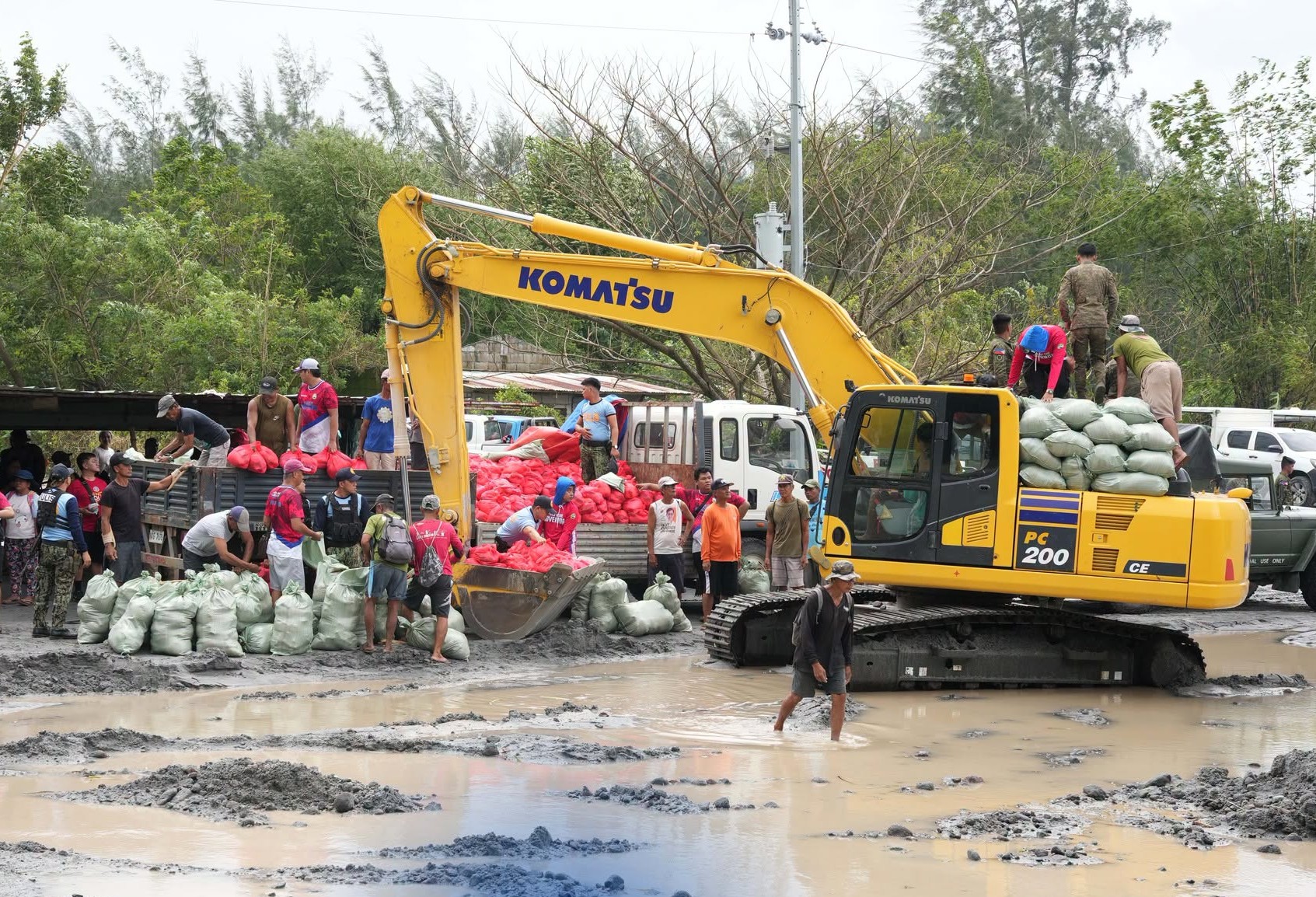
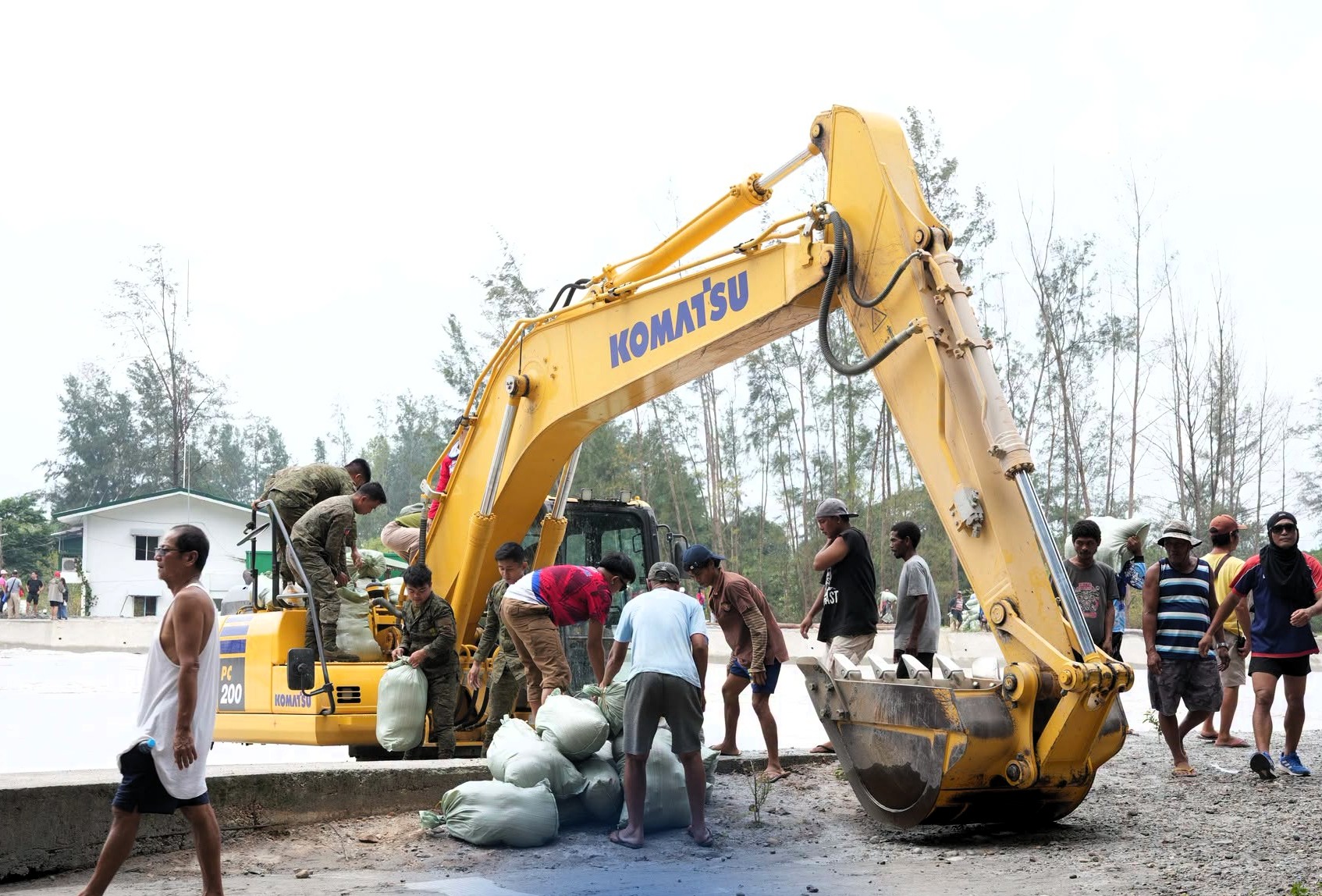
As of now, food and other basic necessities are ferried via backhoes to resupply residents across the river. But local officials said the continuing heavy rains may again disrupt relief operations.

“There is a need for measures that will not only provide immediate relief to residents, but will also help the community recover in the long run,” said Mayor Elvis Soria on Monday.
Soria said one of the proposals discussed during the August 22 visit of Governor Hermogenes Ebdane Jr. in Sta. Fe was to develop the alignment between Sta. Fe and Barangay Omaya in San Narciso town into a functional access road.
He said that Ebdane urged the LGU to carefully plan the alternative road project, stressing that it should be safe and secure area, appropriate to the needs of the community, and not vulnerable to further floodings and other disasters.

Omaya is about 12 kilometers from Sta. Fe in straight-line distance, but the two upland villages are separated by rugged foothills usually traversed only by climbers to Omaya’s Mt. Kapigpiglatan, a popular hiking destination.
Soria said the Sta. Fe-Omaya link will improve access to and from the isolated village and enable speedy response and assistance during emergencies.
He added that the San Marcelino LGU will consult with the Department of Public Works and Highways to study the feasibility of the proposed new route.
The Municipal Disaster Risk Reduction and Management Office (MDRRMO), meanwhile, said in a situation report on Wednesday, August 26, that a temporary footbridge remains to be the highest priority measure to restore access to Sta. Fe.
It added that materials and equipment are already prepositioned for immediate construction should a break in inclement weather allow safe operations.
As of August 26, the MDRRMO said six houses in Sta. Fe have been totally destroyed, with total damages placed at P3.5 million, while local aquaculture ventures lost P147,000.
Relief assistance for the isolated community, however, continues to pour in from national government and local government offices, civic groups, as well as private individuals, Soria noted.
He said Sta. Fe received on August 22 a total of 1,000 family food packs (FFPs) from the provincial government; 420 non-food items, including hygiene kits from the Office of Civil Defense in Region III; 300 10-liter bottles of water from the Saint Williams School of San Marcelino-Batch ’84; as well as food packs from the Rotary Club of San Marcelino, Zambali Quarry Operators Association, and Legacy Memorial Park.
The food supplies are estimated to last another 10 days, the MDRRMO said. ▲
COVER PHOTO: Food supplies, as well as residents, are ferried across the lahar-filled Sta. Tomas River at Barangay Sta. Fe in San Marcelino, Zambales on August 22. (San Marcelino PIO)





Leave a Reply