
By HENRY EMPEÑO | August 15, 2026
SUBIC BAY FREEPORT — The Subic Bay Metropolitan Authority (SBMA) reported an P874-million consolidated gross income from port operations in the first half of 2026, driven by a 24 percent surge in bulk and break-bulk cargo volume and an explosive 88 percent increase in rice imports.
SBMA Senior Deputy Administrator for Port Operations Ronnie Yambao said the first semester revenue represented an eight percent increase over the P806-million income record for the same period last year.
Yambao said the Seaport Department contributed the bulk of the H1 operations income at 78 percent, the Airport Department 14 percent, while the Trade Facilitation and Compliance Department (TFCD), which handles import and exports processing, monitoring, and logistics support, accounted for the remaining 8 percent.
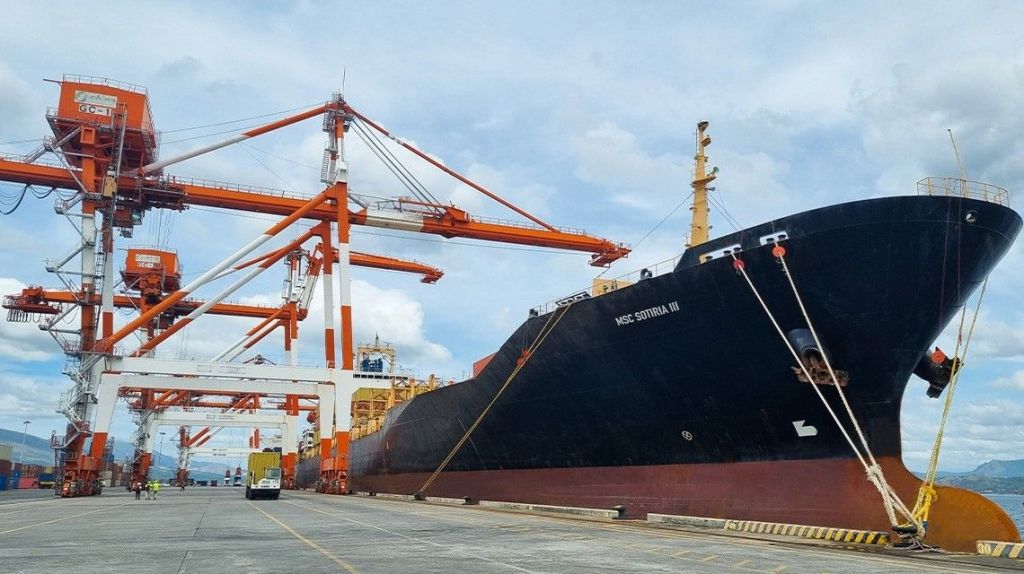
The Seaport Department reportedly generated P683 million—a 10 percent increase in its gross income—primarily due to an 18 percent surge in non-containerized cargo, particularly bulk and break-bulk cargo, which increased by 24 percent.
This was driven by an 88 percent increase in rice imports handled in Subic, one of the only 17 ports of entry in the country authorized by the Bureau of Plant Industry and the Bureau of Customs for milled rice imports.
Yambao also said that while Subic airport operations income decreased by three percent due to an slowdown in military logistics services, a 17 percent revenue surge recorded by the TFCD with the implementation of a new policy for the admission of trucks, heavy equipment, and regulated goods, adequately shored up the aggregate group income.
Yambao said the SBMA Port Operations Group achieved the record growth despite discounts on vessel charges, cargo charges, storage fees, and SBMA shares in response a directive from President Marcos last March to mitigate trade disruptions due to the Middle East conflict.
SBMA Chairman and Administrator Eduardo Jose L. Aliño said the SBMA has tallied some P81 million in discounted fees and shares in response to Executive Order No. 110.
“The sustained growth of port operations reflects our ability to adapt to changing market conditions while continuing to support the country’s supply and logistics requirements,” Aliño said.
“At the same time, we remain committed to implementing measures that help cushion the impact of external disruptions on our stakeholders, consistent with the President’s directive under EO 110,” he added.
The Subic agency already recorded P113.7 million in port operations income as early as January, buoyed by increased grains importation: rice by 484 percent, corn by 230 percent, wheat by 48 percent, and soya by 3 percent.
Last year, SBMA’s port operations generated revenues totaling P1.77 billion, with seaport operations contributing P1.47 billion of the total income. ▲
PHOTO: A vessel unloads cargo at the Subic Bay seaport. (SBMA)




Leave a Reply