

By E.H. EDEJER | July 22, 2026
SUBIC, Zambales — The National Commission on Indigenous Peoples (NCIP) in Region III has weighed in on the controversy surrounding a dumpsite within the ancestral domain of the Ayta Ambala tribe here, saying it did not find any evidence that indigenous people were forced out of their homes or their rights violated because of the trash dump.
However, it said that other issue raised in a recent documentary remain uncertain, as the agency received conflicting reports when it consulted the Ayta community on July 16 to 17.
In an investigation report released on Monday, July 20, the NCIP said there was no record of forcible dislocation of Ayta residents in the vicinity of the dumpsite at the upland sitio of Tibag in Barangay Naugsol, Subic, Zambales.
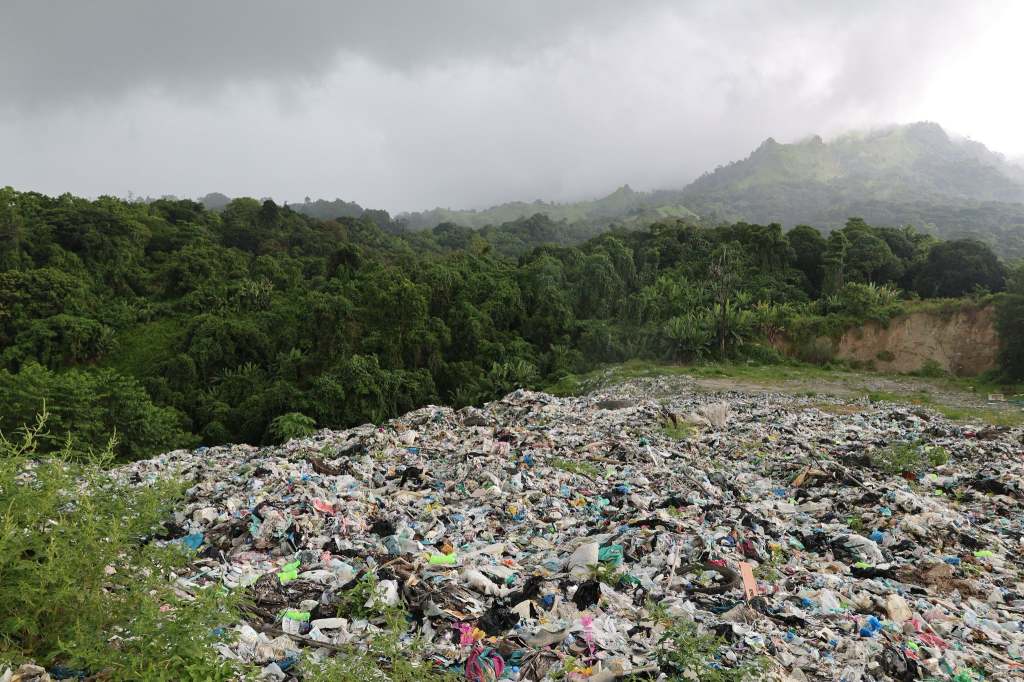
This contradicted a claim raised in the documentary “Ibinasurang Paraiso” by broadcast journalist Kara David that Ayta residents fled their Sitio Tibag homes due to foul odors and swarms of flies in the area.
“Based on the validation conducted, there was no forcible relocation of houses from the dumpsite area,” the report signed by NCIP Region III Director Joyce S. Lapuz said.
The report pointed out that majority of the 87 Ayta families in the ancestral domain lived at nearby Sitio Alibang, and that while some IP folk stayed in Tibag, their houses were away from the dump.
It added that tribesmen did not live in the immediate area because the dump is located on a ravine.
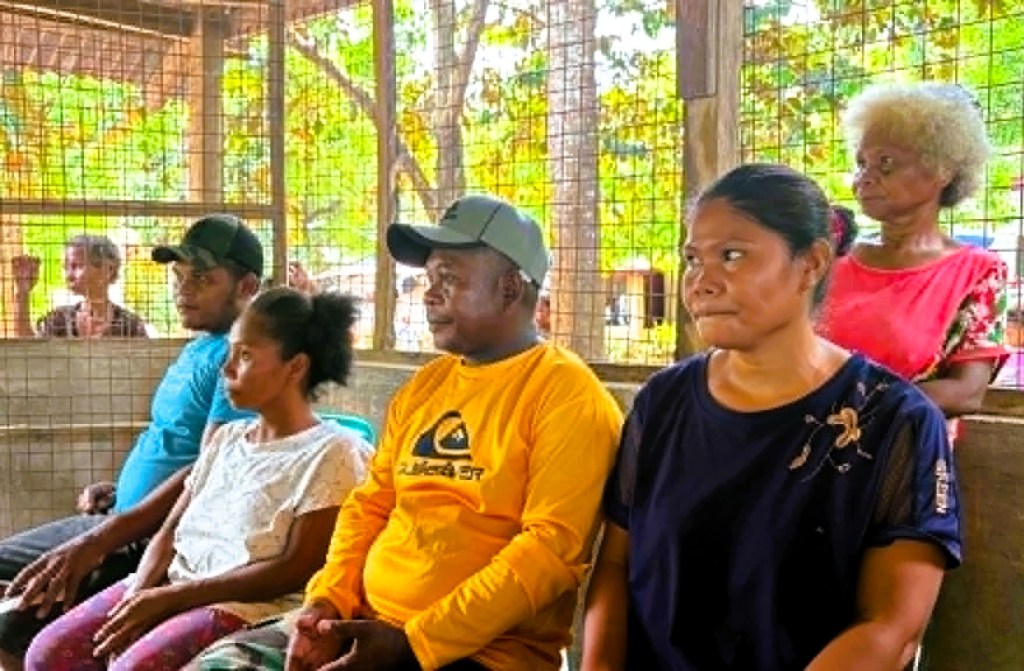
Lapuz aid the NCIP regional office consulted with the Ambala tribe to find the truth about the dumpsite, and to determine whether the rights and welfare of the Ayta community were jeopardized.
She said the NCIP probe confirmed that the dump existed within the Ayta ancestral domain in Subic; that the Ambala tribe gave its permission for the dumpsite; and that there was no displacement of residents.
The NCIP official said, however, that they cannot be certain if the tribe was paid for the use of the dumpsite, and whether garbage had contaminated rivers and other water features in the area.
According to Lapuz, the Naugsol tribal council affirmed during the July 17 consultation that it allowed the Subic local government unit (LGU) to establish the dumpsite during the Covid-19 pandemic on the understanding that it will be temporary, and that it will be rehabilitated later on.
She said, however, that the LGU failed to coordinate the matter with the NCIP, thus the lack of official record proving that the tribe freely gave its consent for the dumpsite.
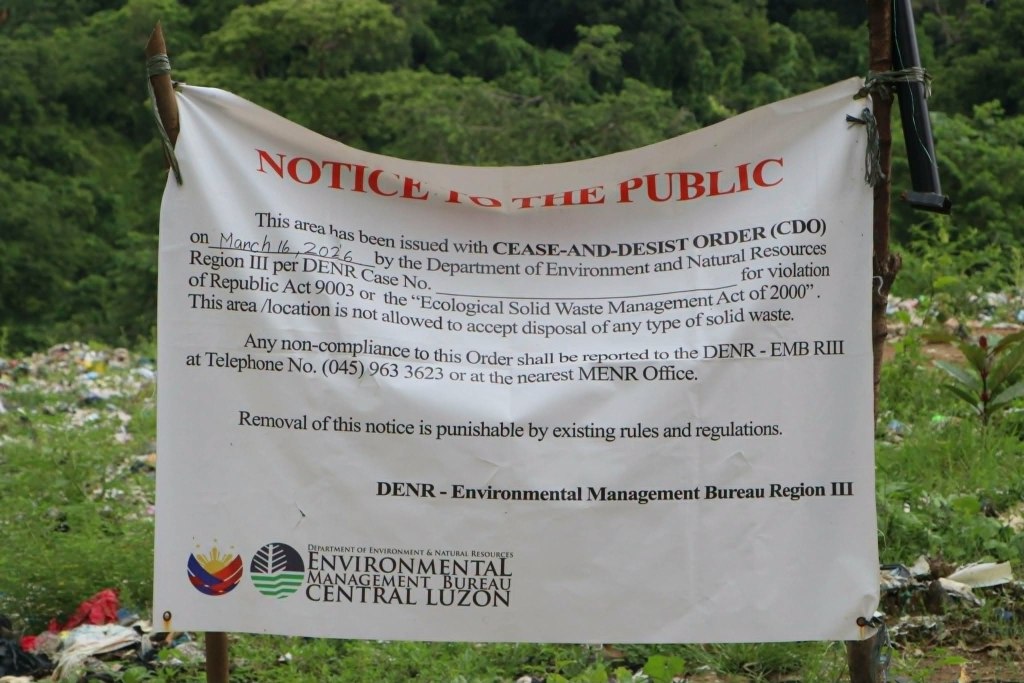
Lapuz also said that while some Ayta claimed that the tribe received P10,000 monthly for the use of the dump, others said the amount was LGU assistance given even before the dumpsite was established.
On the issue of water contamination, Lapuz said that while the community dismissed reports that water sources were polluted by garbage leachate, this technical issue should better be resolved through environmental assessment and water quality testing.
The NCIP report also said that the July 17 validation established that there was no observable foul odor nor significant number of flies in the area—something consistent with reports that the dumpsite has been inactive for quite some time, it added.
Still, the NCIP recommended the immediate rehabilitation of the former dumpsite in coordination with the Ayta Ambala community and the NCIP to promote environmental protection and transparency.
“The rights, interests, and welfare of the Ayta Ambala indigenous cultural community should be the primary consideration in the rehabilitation of the dumpsite,” the NCIP said. ▲
▼ PHOTOS: Alex Galang




Leave a comment