
By HENRY EMPEÑO | June 24, 2026
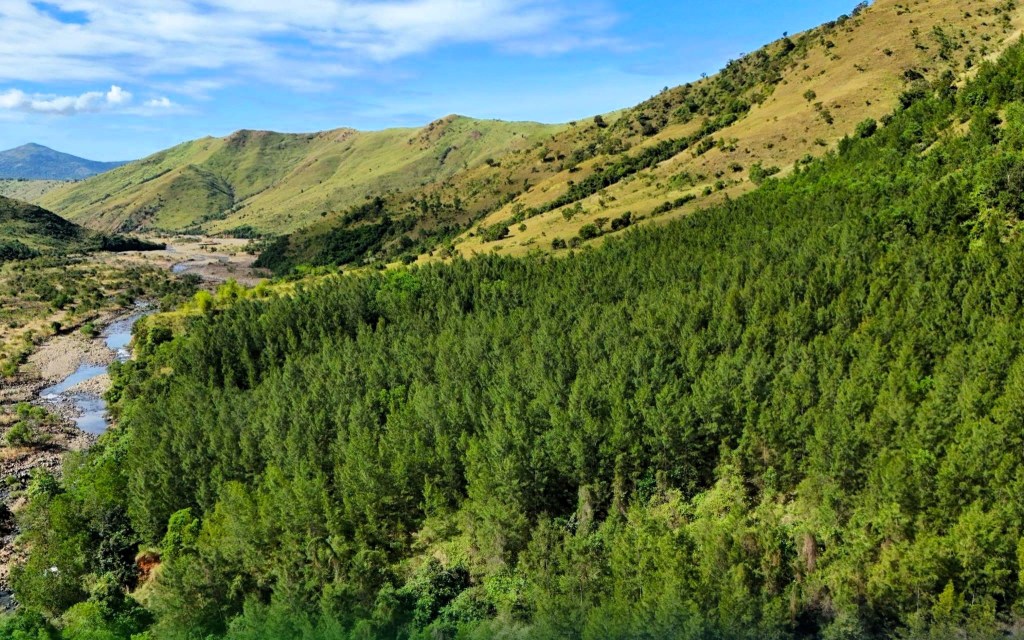
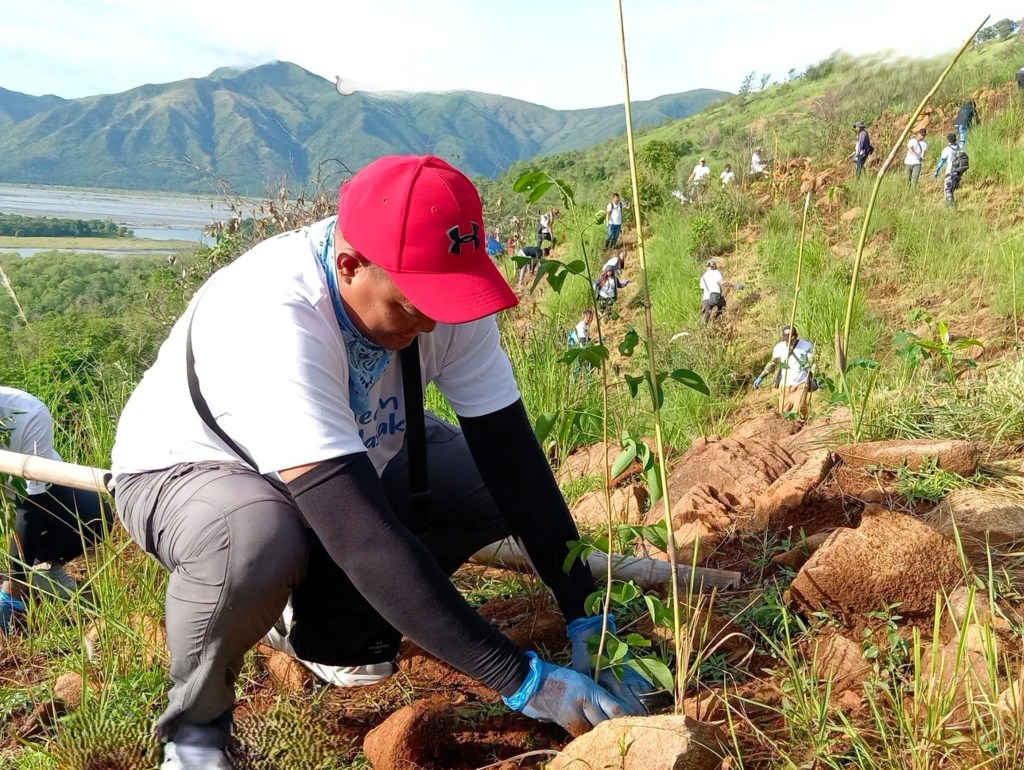
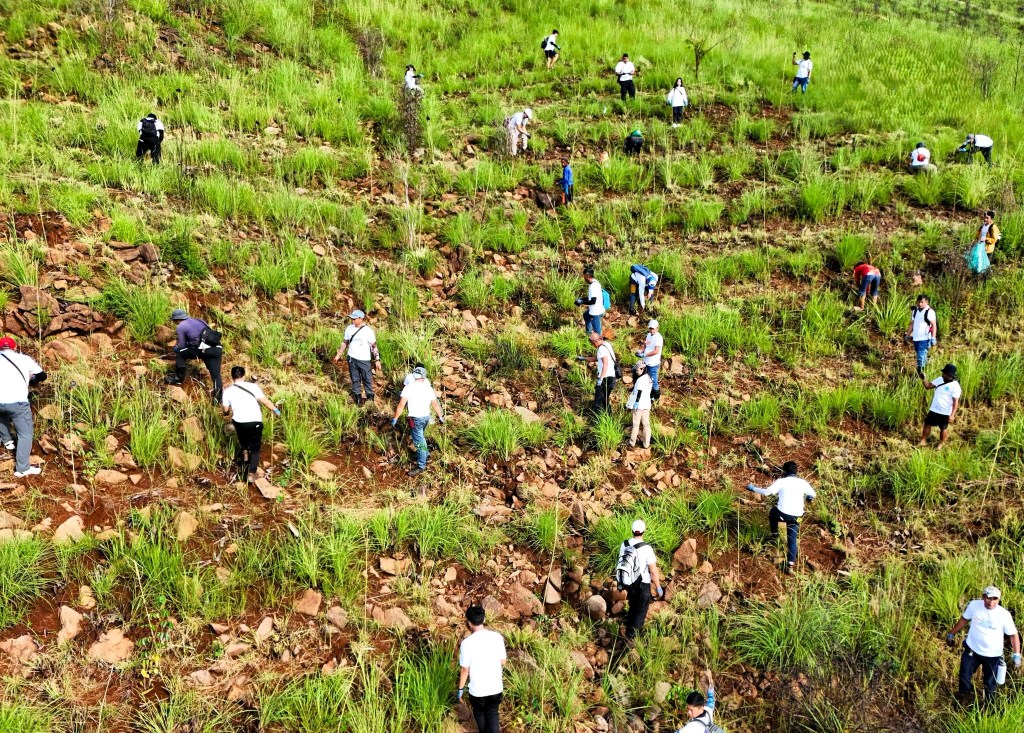
MASINLOC, Zambales — Some 1.6 million seedlings will be planted in simultaneous tree-planting activities across Central Luzon in observance of Arbor Day on Thursday, June 25.
The Department of Environment and Natural Resources (DENR) Region 3 said volunteers from various community organizations, schools, local government units, and national agencies will plant the seedlings in identified sites throughout the region.
Region III, which is composed of the provinces of Aurora, Bataan, Bulacan, Nueva Ecija, Pampanga, Tarlac, and Zambales, has one of the largest forest covers in the country with almost 44 percent of its total area classified as forest land.
DENR-III Regional Executive Director Ralph Pablo said the project is part of efforts by the national government to expand forest cover, rehabilitate degraded lands, enhance biodiversity, and improve the condition of critical watersheds throughout the country.
“Every tree planted today is an investment in the future of Central Luzon,” Pablo said in a statement on Wednesday.
“Beyond increasing forest cover, these trees will help secure our watersheds, protect biodiversity, improve air quality, reduce the impacts of flooding and soil erosion, and strengthen our communities against the growing threats posed by climate change,” he added.
Philippine Arbor Day is observed annually on June 25 under Presidential Proclamation No. 643, which institutionalized tree planting as a nationwide activity.
DENR-III said its sustained forest restoration efforts under the Enhanced National Greening Program has already resulted in the planting of more than 88.4 million seedlings in Central Luzon since the start of the program in 2011.
The agency has also completed the reforestation of more than 138,000 hectares of denuded and degraded lands across the region in the last 15 years.
Pablo said the large-scale tree-growing effort is expected to generate long-term environmental benefits by enhancing carbon sequestration, improving water availability, restoring wildlife habitats, and increasing the capacity of ecosystems to withstand extreme weather events.
Here in Zambales, the DENR set last April the rehabilitation of more than 74 hectares of degraded forestlands in San Marcelino and Subic towns under a new five-year partnership with the Gala Aeta Kulihig Association Inc. and the AP Renewable Energy Corp. (Aprec).
The partnership involves seedling production, tree planting, plantation maintenance, and site protection under an agreement combining private funding, community action, and government oversight.
Last Monday, June 22, Pablo and other DENR-III officials also inaugurated an arboretum here in Masinloc to help preserve native tree species and support biodiversity conservation.
Masinloc Community Environment and Natural Resources Officer Donaver Guevarra said the 7,712-sqm botanical facility contains more than 300 native trees, including almaciga, agoho, bitaog, palosapis, molave, dao, kalantas, narra, ipil, Mindoro pine, ilang-ilang, lapnisan, red nato, kalumpit, arangen, banaba, toog, tindalo, tuai, taluto, and white lauan.
Pablo said the Masinloc arboretum will serve as a “living classroom” where the public can learn, appreciate nature, and gain a deeper understanding of the importance of biodiversity conservation and environmental protection. ▲





Leave a comment