
By Camille N. Gavino | June 2, 2026
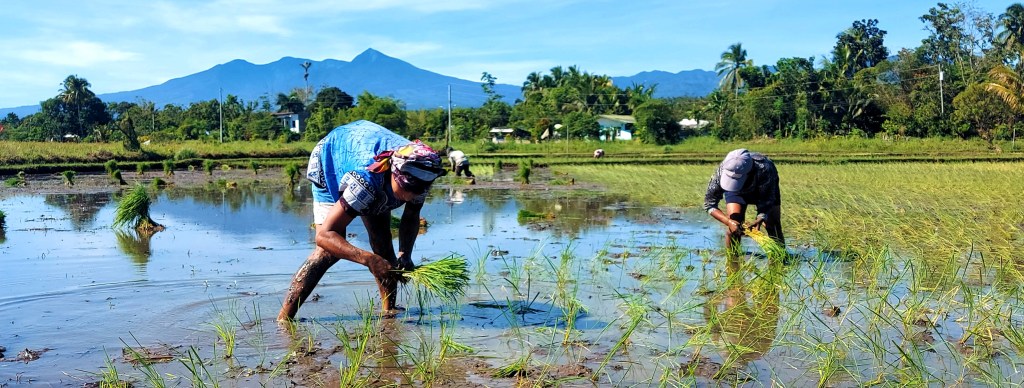
SCIENCE CITY OF MUÑOZ (PIA) — The government is strengthening climate-resilient agriculture initiatives by urging farmers to adopt water-saving technologies to shield rice production from El Niño.
Aligned with President Ferdinand R. Marcos Jr.’s directive to safeguard food security and strengthen support for the agriculture sector, the Philippine Rice Research Institute (PhilRice) advised farmers to prepare early and maximize available water resources to sustain rice production during the dry season.
According to Dr. Kristine Pascual, water management specialist at PhilRice, timely farm practices and the use of water-efficient technologies can help reduce risks brought by limited water supply.
“Planting early allows farmers to take advantage of available water before drought conditions intensify,” Pascual said.
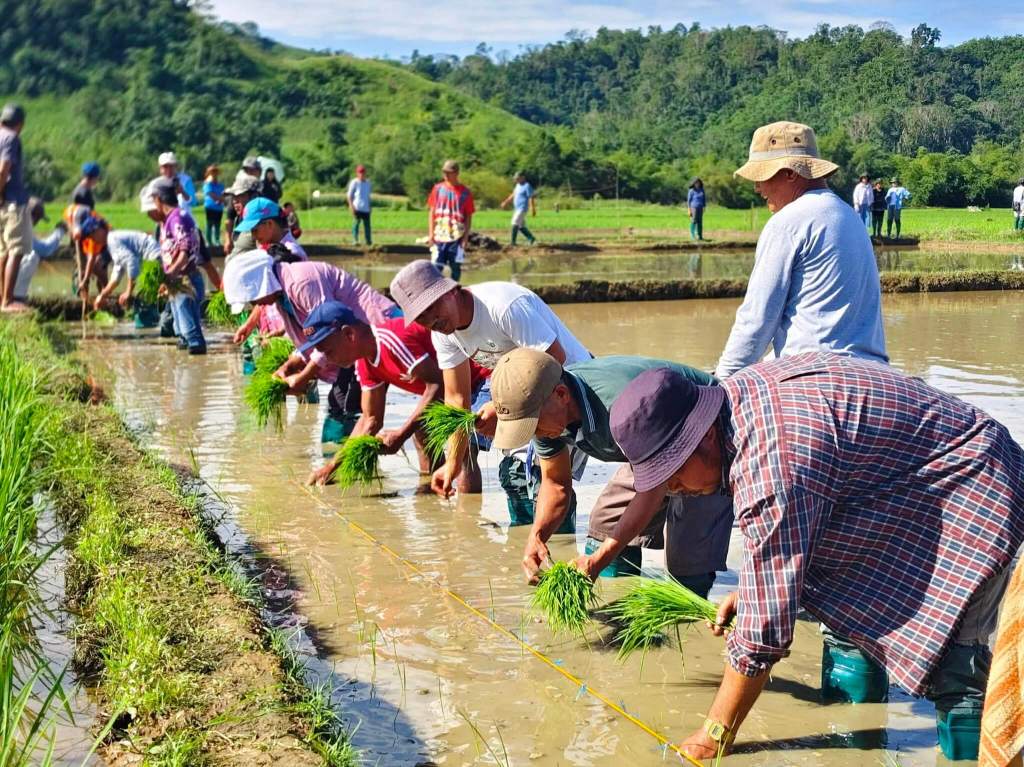
Among the recommended technologies are wet and dry direct seeding methods, which require less water compared to conventional transplanting systems.
Wet direct seeding uses drum seeders, precision seeders, or drone seeders for faster crop establishment, while dry direct seeding minimizes water use during land preparation by sowing seeds under dry soil conditions.
PhilRice also encouraged the adoption of water management practices such as mid-season drainage, alternate wetting and drying (AWD), saturated soil culture, and water harvesting to improve water efficiency in rice farms.
Pascual explained that mid-season drainage during the maximum tillering stage improves soil aeration while lowering water consumption.
She added that irrigation water should be applied only when necessary, particularly during flowering and grain-filling stages.
For areas with limited irrigation supply, PhilRice also recommended aerobic rice technology, which allows rice to grow under non-flooded conditions similar to upland crops such as corn, with irrigation applied only when soil moisture reaches a critical level.
As for nutrient management, Pascual advised farmers to apply nitrogen fertilizer in split applications rather than one-time application to minimize nutrient losses during periods of crop stress.
She likewise encouraged crop diversification through planting of vegetables and other drought-tolerant crops to help farmers sustain income during prolonged dry conditions.
“Early preparation is key as the right strategies and timely decisions can help farmers protect their crops and make the most of limited resources,” Pascual emphasized.
Meanwhile, Engr. Elmer Alosnos of the PhilRice El Niño Task Force said AWD technology can reduce irrigation water use by 15 to 30 percent without affecting yield when properly implemented.
Alosnos added that saturated soil culture helps maintain enough soil moisture while minimizing water loss.
He also underscored the importance of water harvesting and proper maintenance of irrigation canals and field bunds to improve water storage and distribution during dry periods.
PhilRice also encouraged farmers to use drought-tolerant and early-maturing rice varieties to help sustain crop growth despite limited water supply.
“PSB Rc 10, NSIC Rc 480, Rc 594, and Rc 596 are among the recommended varieties for rainfed and drought-prone areas,” Alosnos said, noting that certified seeds are available through accredited seed growers and partner local government units.
Aside from water scarcity, Alosnos warned that warm and dry conditions may increase pests occurrence and diseases such as rice black bug, rice bug, stemborer, tungro, and rat infestations.
For postharvest management, farmers were advised to dry grains to 14% moisture content and store them in airtight containers such as the PhilRice-developed Saclob to protect seeds from pest damage during warmer conditions.
PhilRice also encouraged farmers to enroll in crop insurance through the Philippine Crop Insurance Corporation before drought conditions intensify.
Farmers may also access assistance through the Department of Agriculture’s Quick Response Fund, the Survival and Recovery or SURE loan program of the Agricultural Credit Policy Council, and various local government support initiatives.
The continued promotion of climate-adaptive technologies and sustainable farming practices forms part of the government’s broader efforts to ensure stable food production, strengthen agricultural resilience, and protect the livelihood of Filipino farmers amid the effects of climate change. (CLJD/CNG, PIA 3-Nueva Ecija)





Leave a comment