
POWER consumers may see a slight increase in transmission rates reflected in their April 2026 electricity bills, the National Grid Corporation of the Philippines (NGCP) said in a statement today, April 15.
This as the overall equivalent average transmission rate for the March 2026 billing period to be billed by distribution utilities and electric cooperatives this April increased by 4.26% to PhP1.7526/kWh, up from February’s PhP1.6810/kWh, the NGCP said.
Likewise, Ancillary Service (AS) rates, which are pass-through costs for power supplied by power generators who are AS providers during supply-demand imbalance, increased from PhP 0.8275/kWh in February to PhP0.8516/kWh in March, it added.
NGCP emphasized that it does not earn from AS and does not benefit from any change in AS prices, as these are remitted directly to generation companies with bilateral contracts with NGCP, and to the Independent Electricity Market Operator of the Philippines (IEMOP) for AS sourced from the Reserve Market.
However, NGCP’s transmission wheeling rate, or the fee for delivering power through the transmission grid slightly increased to PhP0.7022/kWh in March from PhP 0.6677/kWh in February, it said.
“The increase in effective transmission wheeling rates has no impact on NGCP’s revenue, as the company’s allowable revenue is capped by the Energy Regulatory Commission (ERC),” NGCP clarified.
NGCP reiterated that bulk of the overall transmission rate still comprises of charges for Ancillary Services.
“As the system operator, NGCP’s priority is to ensure the grid remains resilient during supply-demand imbalances. NGCP does not profit from AS charges, as these are remitted directly to the providers who help us maintain the continuous flow of electricity across the country,” NGCP said.
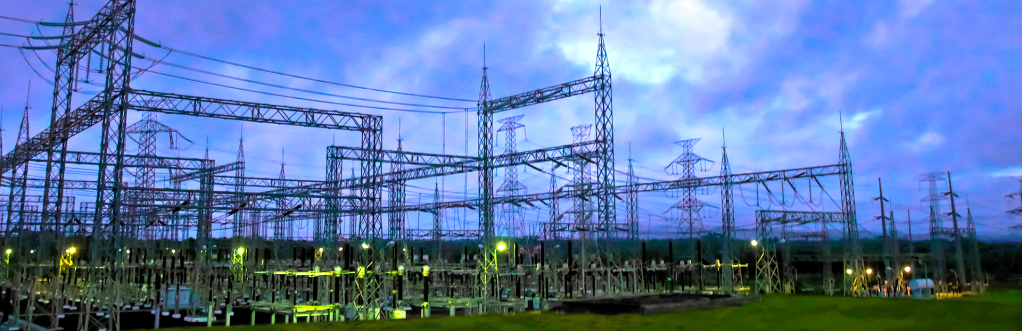
The NGCP, which is a privately owned corporation, serves as the sole operator of the Philippine power grid, responsible for transmitting high-voltage electricity from generators to distributors through transmission towers, substations, and related facilities. ▲




Leave a comment