
By HENRY EMPEÑO | March 31, 2026
SAN NARCISO, Zambales — Lambaklad, a traditional fishing method introduced here two years ago as an alternative livelihood project, now proves to be a practical solution to the rising cost of fuel while delivering bigger catch for local fishermen at minimal hours at sea.
Local fisherfolk groups said lambaklad—derived from the combination of “lambat” (net) and “baklad” (fish trap)—has provided better daily harvests just within 500 meters from the shore, thus significantly cutting fuel consumption.
“Hindi kami gumagastos nang malaki sa gasolina, kasi malapit lang siya. One liter lang, nakaka-harvest na kami (We don’t spend as much for gasoline because we just fish nearby. With just one liter of fuel, we can already harvest),” said Simplicio Orendain, an officer of the Deep Sea Fishing Association of La Paz (DSFALP) here.
Orendain said that they used to spend as much as P1,500 for gasoline for deep-sea fishing before lambaklad was introduced to the La Paz fishing community in 2024.
Reny Correa, president of the Alimbuhabu Fishing Association in Botolan town, meanwhile, said the lambaklad method drastically shortened their time at sea and minimized the risks of fishing so far out of shore.
“Noong wala pang lambaklad, halos magdamag kami sa laot. Karamihan sa amin dati umaabot ng 50 miles sa pagpalaot (Before lambaklad, we were out at sea almost the whole night. Most of us go as far as 50 miles out),” Correa recalled. “Pero ngayon, nasa isang kilometro lang yung lambaklad (But now we can fish just one kilometer away),” he said.
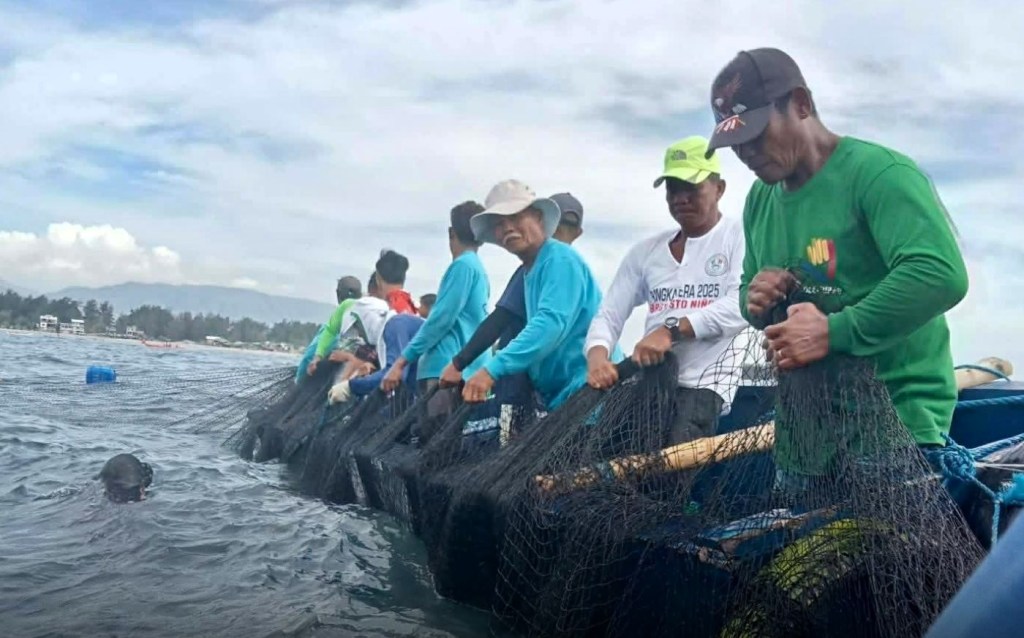
Lambaklad, which was introduced by the Department of Agriculture’s Bureau of Fisheries and Aquatic Resources (DA-BFAR) as a national program to increase fish catch and boost the income of small-scale fisherfolk, is a sustainable and environment-friendly method derived from the Japanese Otoshi-ami technology.
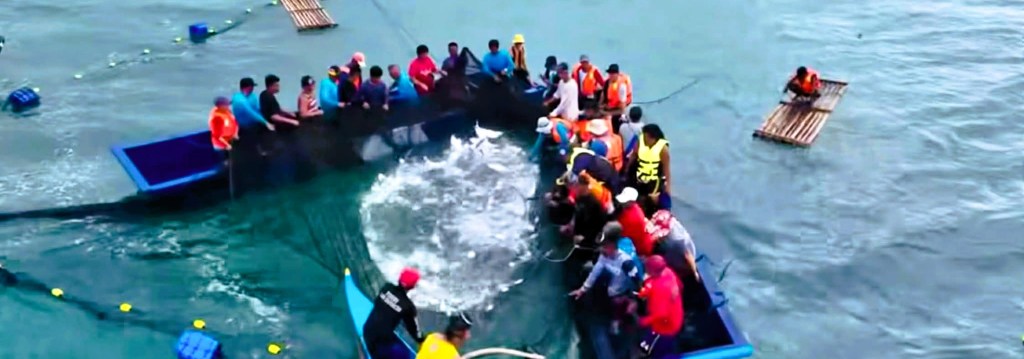
It uses an underwater net system composed of a long “leader” net that guides pelagic fish species into a holding bag or “cod-end” where they are trapped alive. The nets are placed in waters 20 to 45 meters deep, and fishermen then check the net twice daily to lift the trap and collect the catch.
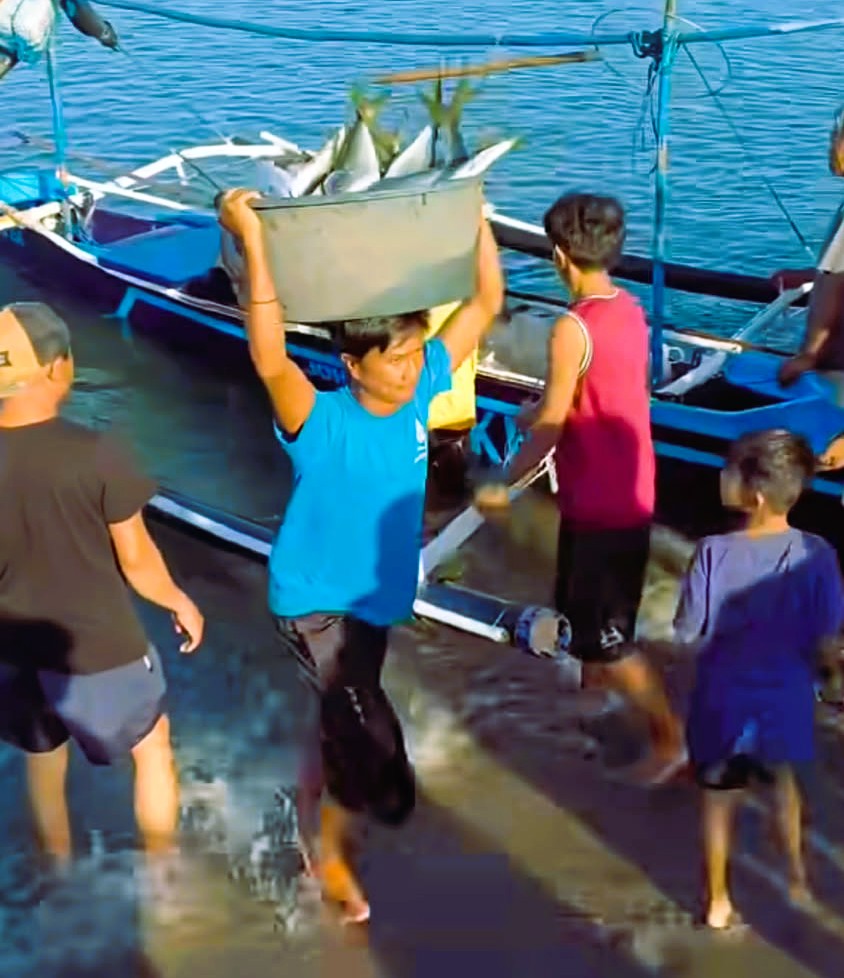
BFAR officials said that since using lambaklad, Zambales fisherfolk harvested an average of 12,000 tons of migratory fishes annually over the last two years with just two daily harvests that last from only one to two hours each.
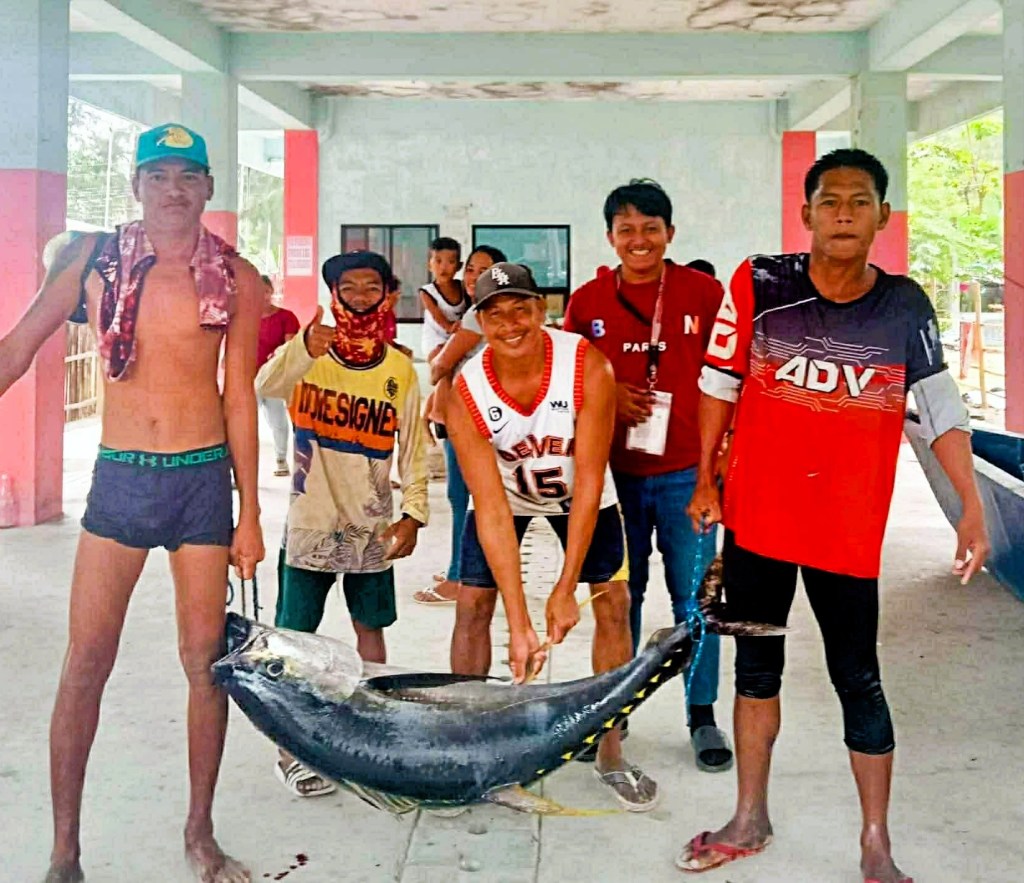
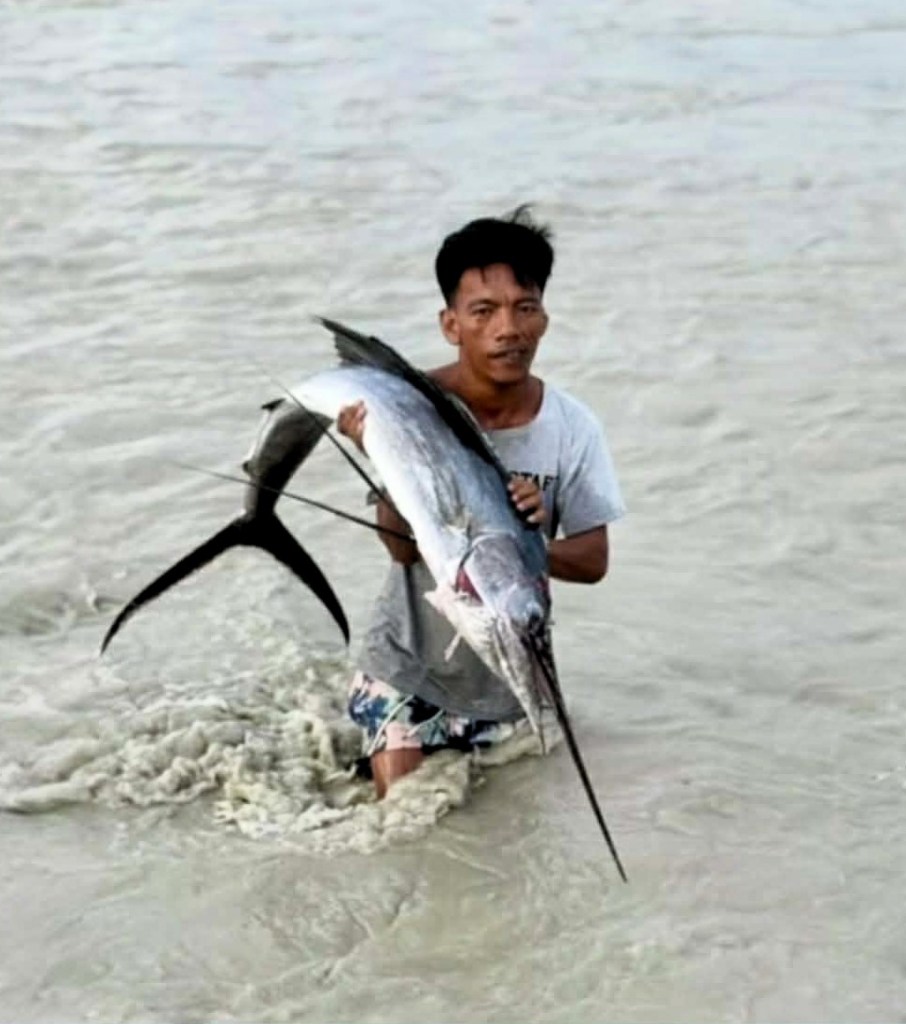
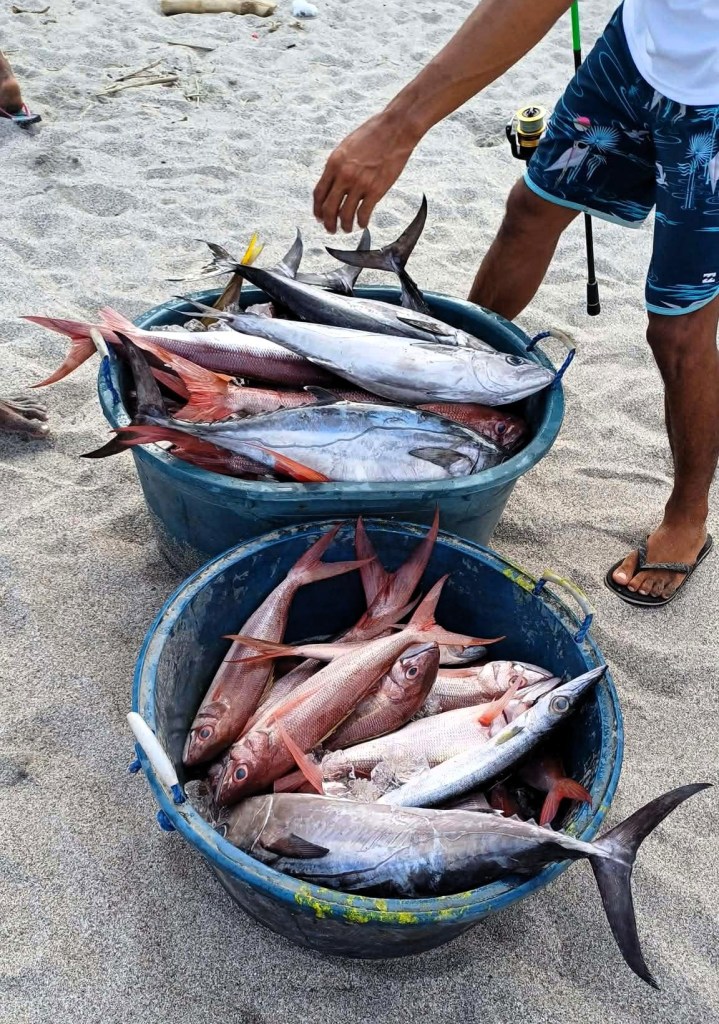
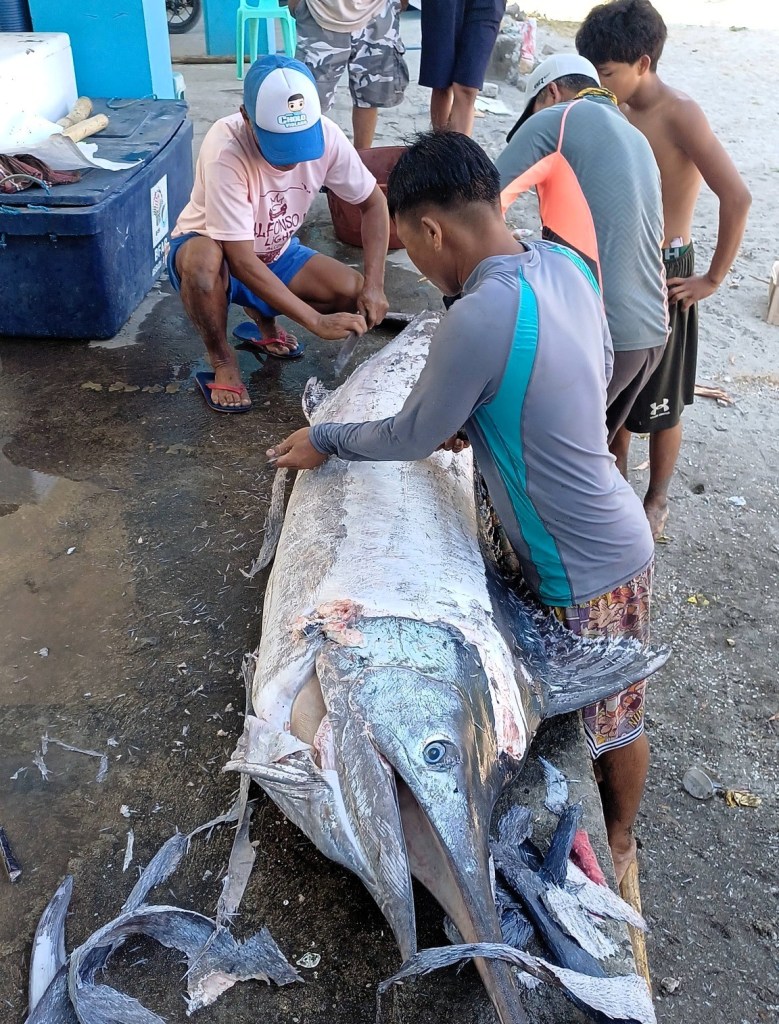
The catch mostly consisted of tuna, mackerel, skipjack, squid, slipmouth or sapsap, anchovies, and round scad or galunggong. However, lambaklad fishers in San Felipe town reported catching blue marlin and other pelagic species.
Last February 23, members of the San Felipe Fishlanding Fisherfolks Lambaklad Association (SFFLA) reported harvesting 2.5 tons of various fishes in just one haul. The group started using the lambaklad technology in November last year following the launch of a livelihood project by BFAR and the provincial and local government units.
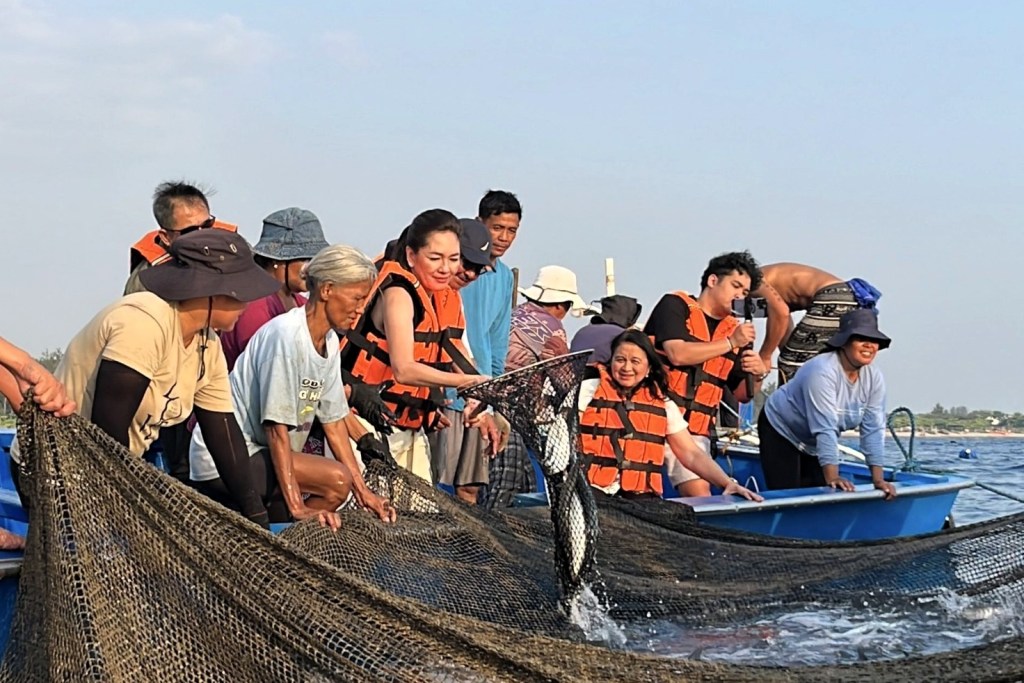
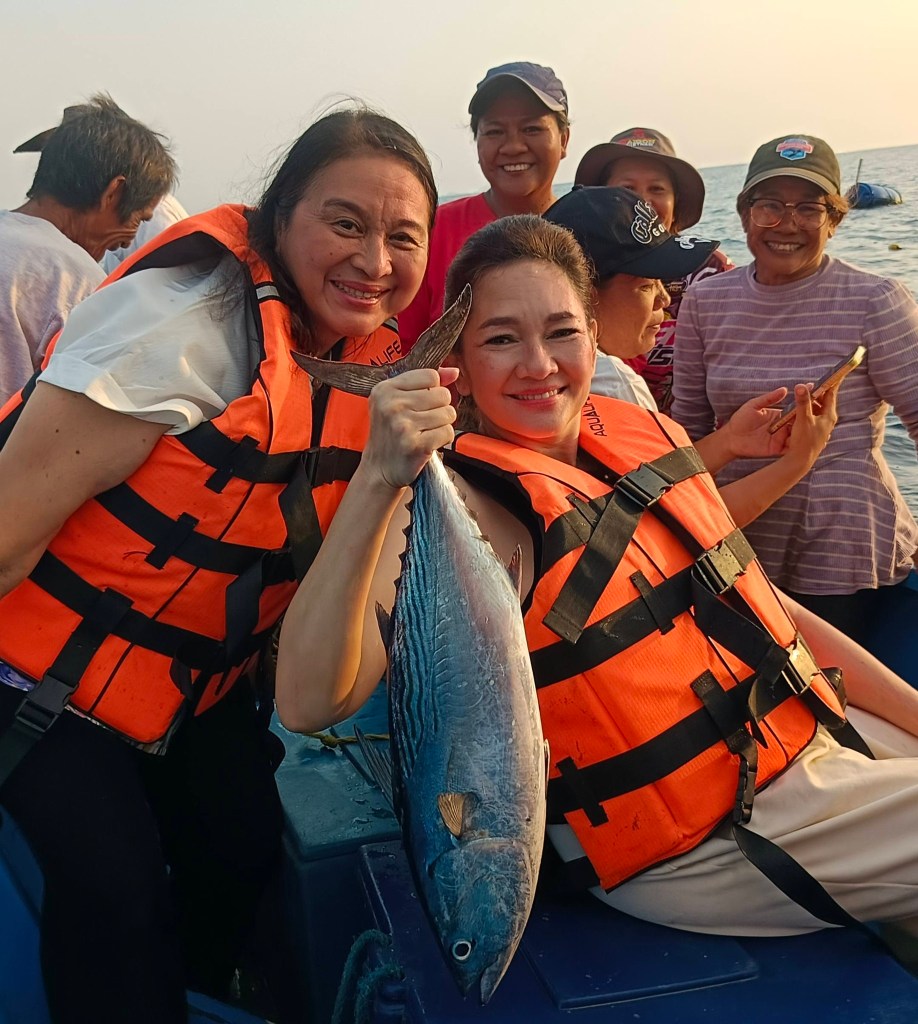
Last Thursday, March 26, Senator Risa Hontiveros joined a lambaklad harvest in this town with BFAR Region 3 Director Willy Cruz and San Narciso Mayor La Rainne Abad-Sarmiento, witnessing first hand the success of the project her office helped set up in 2022.
The senator also met here with lambaklad fisherfolk from the towns of San Narciso, San Felipe, Botolan, Iba, and Candelaria, and shared that some P2.8 billion in the proposed P52-billion supplemental budget will be allocated for farmers and fisherfolk to sustain production and ensure a stable food supply in the country. ▲




Leave a comment