
FUEL-INTENSIVE events have been scrapped from this year’s Dinamulag Festival, as directed by Gov. Hermogenes Ebdane Jr. That means we don’t get to see the fabulous lighted floats, nor enjoy watching thrilling motorsports races that have become popular festival mainstays in recent years.
The reason is commendable, as it is practical and sensitive to these times when fuel costs have been surging upwards because of the ongoing conflict in the Middle East. Festivals in the first place were traditionally staged in times of plenty, when there is reason to be thankful for bountiful harvests. But while our golden mangoes—Zambales’s distinctive pride, which we celebrate in this homegrown festival—are still aplenty, the energy crunch has resulted in higher prices, less mobility, and a slowdown in economic growth. The cutback on glitter is, therefore, an adaptive measure driven by the current situation.
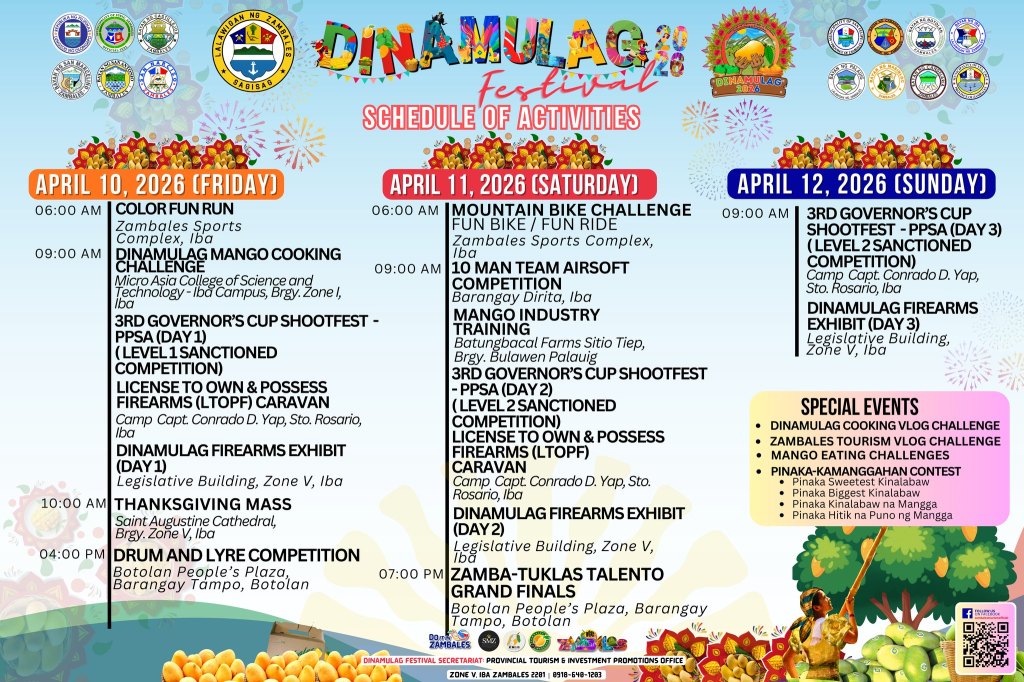
Still, we are assured that the usual Dinamulag festivity won’t be missed. Talent competitions, fun games and challenges will continue to provide the oomph in the upcoming three-day schedule. For the action we expect, there will be the fun run, the mountain bike challenge—both fueled by human power, as well as the shoot-fest to look forward to.
And the more meaningful activity is also retained: the mango industry training at Batungbacal Farms in Palauig. This is the meat of the festival, so to speak. Mango stakeholders, and even plain mango consumers, would do well to attend this educational event that cuts to the core of the Dinamulag Festival: how to further develop and sustain this local industry that brings so much income and pride to Zambaleños.
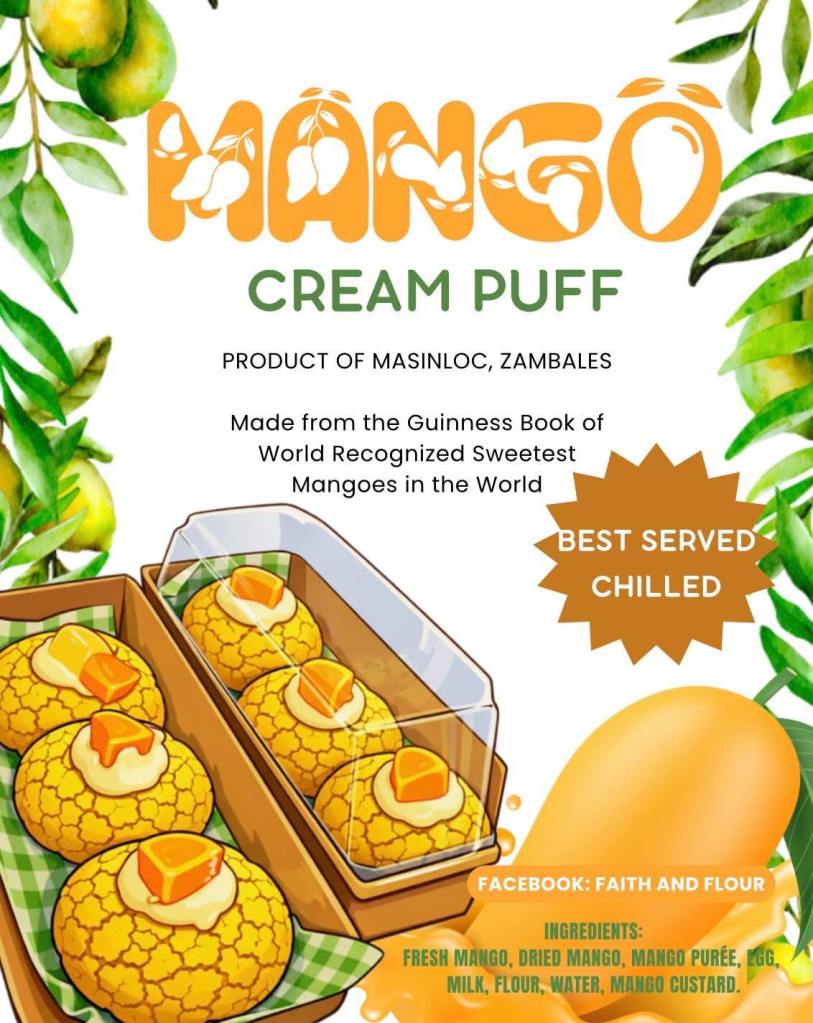
There could be much fulfillment even without much glitter. In Masinloc, the LGU recently staged some mango-themed activities as part of the civic fiesta (See “Local mango takes centerstage in Masinloc fiesta” posted on March 21).
Apart from the now-famous “mango and suman boodle fight,” which is now on its third year, Masinloc staged the 1st Masinloc Mango Expo and a mango product competition that encouraged residents to come up with various processed mango products. Yes, it’s one way of branding for the local mango variety, which is reputedly the sweetest in the world, but more important, it shows how local mango can be marketed in a creative way that could bring about sustainability for mango growers and stakeholders alike.
Developments like these—and there are several marketing projects by mango entrepreneurs in the province already—only show us the best way forward for Zambales mangoes. Taken together, these are one big reason to celebrate. ▲




Leave a comment