
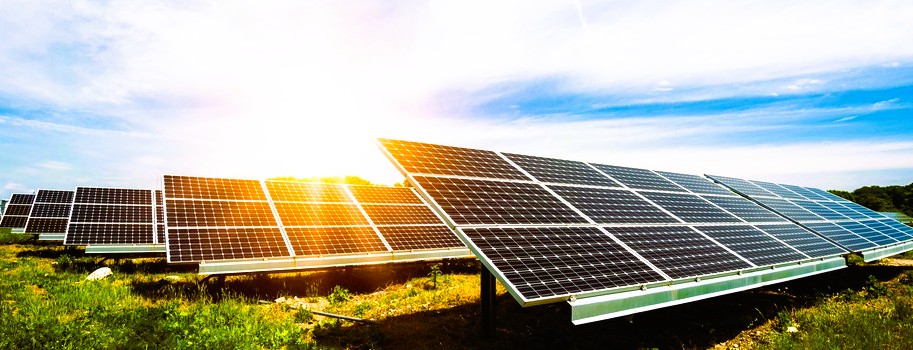
THE Philippines is at a turning point in its energy journey. Across the country, households are feeling the pressure of rising electricity demand with more appliances, more electronic transactions and more digital life.
At the same time, communities are also living with the realities of climate change: stronger typhoons, longer heat waves, and greater strain on infrastructure.
These two challenges – energy security and environmental protection – are often discussed as if they are in conflict. In reality, they are deeply connected. How the country chooses to power itself in the coming decades will shape not only electricity bills, but also livelihoods, resilience, and long-term stability.
This is where renewable energy, particularly solar power, enters the conversation.
A national plan with local implications
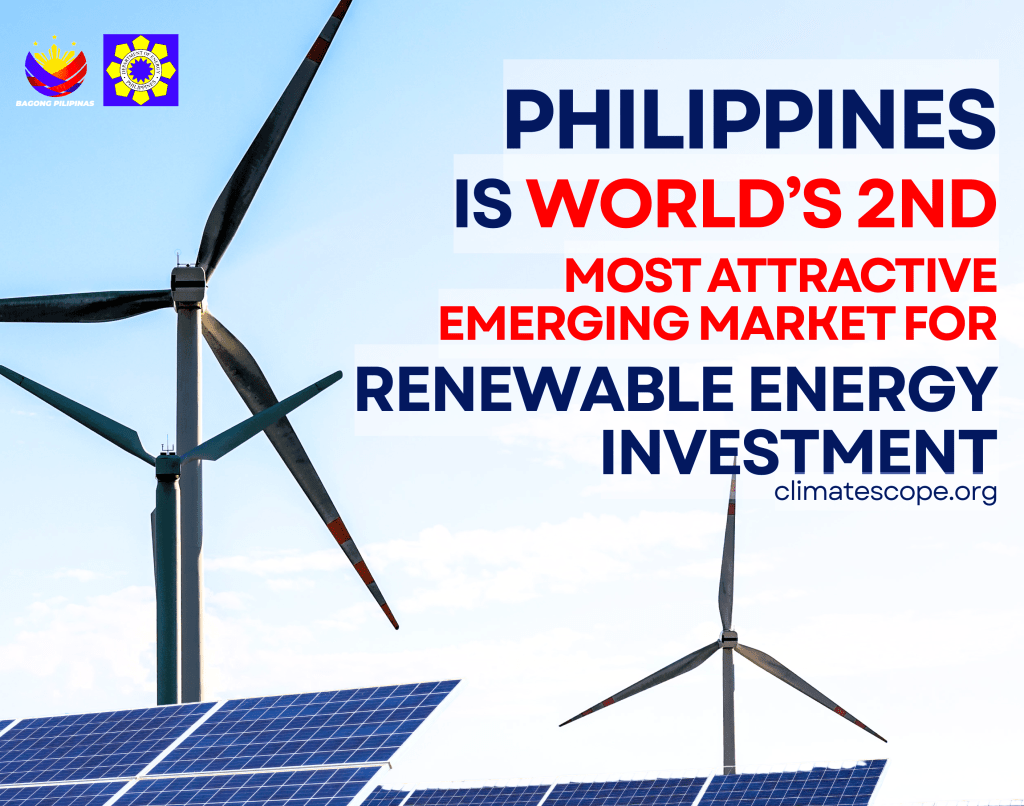
The government’s Philippine Energy Plan (PEP) 2023–2050 lays out a clear direction for the country’s energy future. By 2030, the Philippines aims to generate 35% of its electricity from renewable sources such as solar, wind, and hydropower. By 2040, that share is targeted to rise to 50%, with renewables expected to dominate the power mix beyond 2050.
Independent policy summaries, including those by the Makati Business Club, have highlighted how renewables are expected to account for the largest share of new capacity additions in the coming decades.

To support these goals, the Department of Energy has rolled out programs such as the Green Energy Auction Program, which encourages private sector participation in renewable energy development.
As Energy Secretary Sharon Garin has noted in public statements, the shift toward clean energy is no longer driven by policy alone. More households and businesses are now actively seeking electricity sourced from renewables.
Solar as muscle car of PH energy transition
Among renewable technologies, solar power occupies a unique position in the Philippine context. The country enjoys strong solar irradiance, particularly in regions like Central and Northern Luzon, placing the Philippines on par with parts of Southern Europe – and in some cases outperforming countries like Germany, a global leader in solar deployment.
This geographic advantage is one reason solar features prominently in national energy projections.
Unlike other renewable technologies that require long development timelines or highly specific locations, large-scale solar projects can be planned and built relatively quickly.
This makes solar one of the fastest ways to add clean capacity to the grid – a practical response to growing electricity demand. In this sense, solar functions like the “muscle car” of the energy transition: powerful and capable of delivering immediate gains while other technologies continue to mature.
Responsible development matters: Lessons from Central and Northern Luzon
As with any infrastructure, the benefits of renewable energy depend heavily on how projects are developed. Modern solar facilities increasingly use designs that minimize land disturbance, such as elevated panels, limited clearing, and layouts that allow vegetation or agricultural activity to continue beneath or around installations.
These approaches reflect a growing understanding that renewable energy must be developed responsibly, with careful attention to local environmental conditions and community needs.
Central and Northern Luzon already host several solar projects that illustrate how renewable energy can support both national goals and local communities.
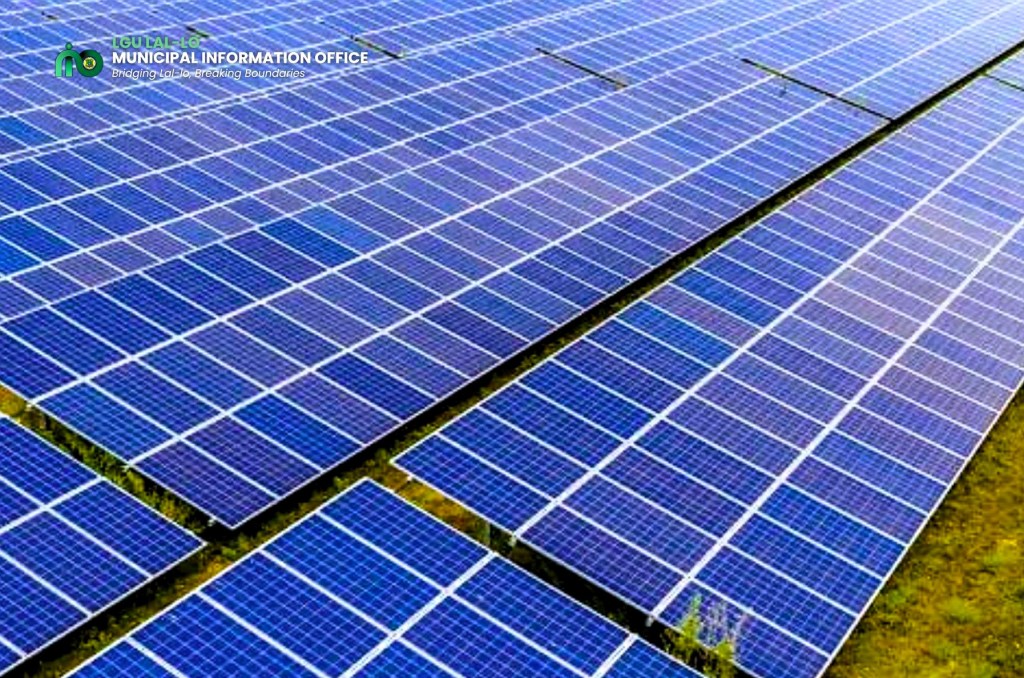
The Cagayan North Solar Project has supplied clean power to the Luzon grid while generating approximately 1,000 local jobs during construction. The project is frequently cited as an example of how utility-scale solar can operate in regional settings.
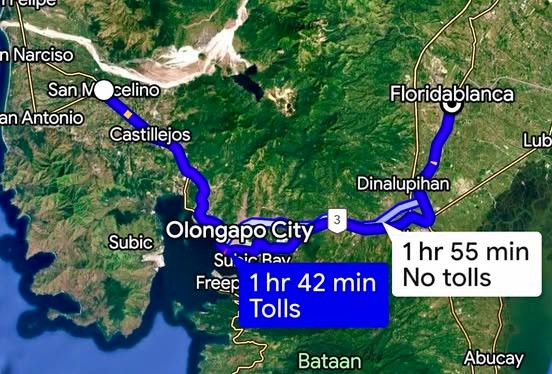
In Subic, Zambales, solar developments have worked with the local Aeta community by providing employment opportunities, sharing economic benefits, and offering support during community events and emergencies – demonstrating how renewable energy projects can coexist with indigenous and host communities.
These examples show that beyond power generation, renewable energy projects are also about local participation, employment, and shared economic value.
Climate impact beyond power generation
One of solar energy’s most important contributions, of course, is its role in reducing carbon emissions. Each megawatt of installed solar capacity can prevent hundreds of tons of carbon dioxide from entering the atmosphere every year.
Over time, these avoided emissions accumulate, contributing meaningfully to national climate commitments and improving air quality. While carbon offsets are only one part of a broader sustainability strategy, they remain a tangible benefit, particularly for a country among the world’s most climate-vulnerable.
Choosing how the transition happens
The global energy transition is already underway. Across the Philippines, renewable energy projects are being planned, built, and integrated into daily life. Communities are increasingly becoming part of this process, not just as electricity consumers, but as hosts and stakeholders.
For regions like Central Luzon, this presents a choice: to see renewable energy as something imposed from outside, or to view it as an opportunity to contribute to national resilience and local development, provided projects are planned responsibly and engagement remains open.
Solar power is not a cure-all. It is intermittent and must be supported by sound planning, grid upgrades, and complementary technologies. But as part of a balanced energy mix, it offers one of the most immediate and locally available paths toward a more secure and sustainable future.




Leave a comment