
By JOANNA AGLIBOT
SAN ANTONIO, Zambales — Small-scale fishermen in this province expressed their strong support for House Bill No. 5606, also known as the “Atin Ang Kinse Kilometro” Bill, that seeks to grant exclusive fishing rights to municipal and subsistence fisherfolk within the 15-kilometer municipal waters.
In a phone interview, Leonardo Cuaresma, president of the New Masinloc Fishermen Association, welcomed the filing of the bill and reiterated the need for government protection of their fishing grounds.
“We strongly oppose the decision of the Supreme Court (SC), and we do not recognize that commercial fishing vessels can enter our municipal fishing grounds,” Cuaresma said.
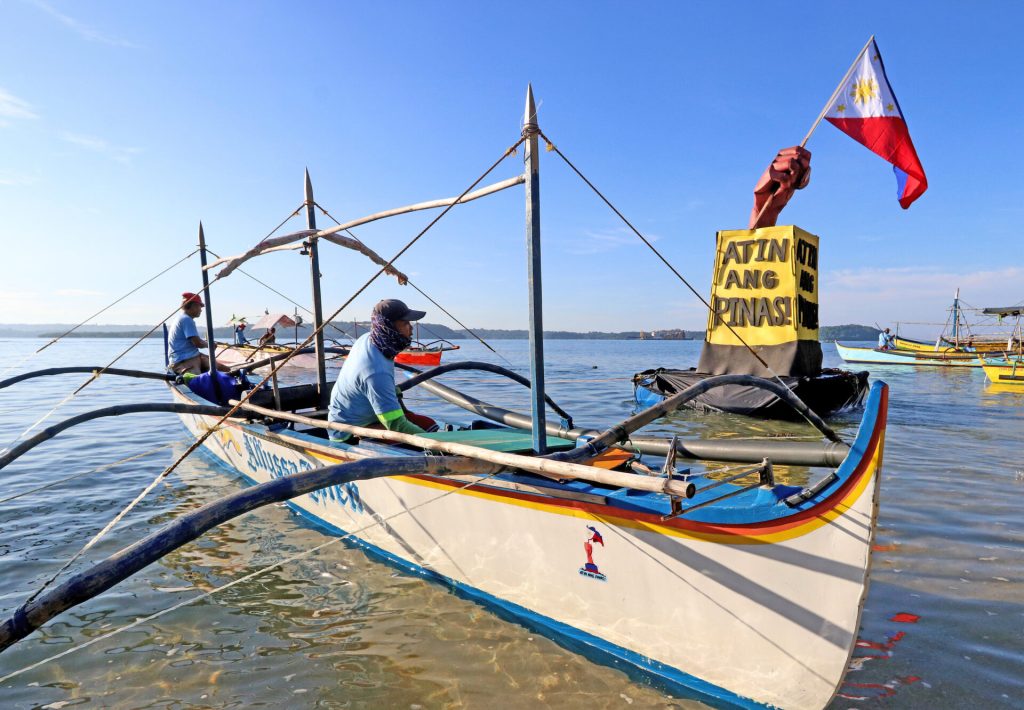
Cuaresma was referring to a SC ruling that allows commercial fishing vessels to operate within municipal waters deeper than seven fathoms (12.8 meters).
The ruling stemmed from a petition filed by Mercidar Fishing Corporation, an operator of large commercial fishing vessels, before the Regional Trial Court of Malabon. The petition sought to declare certain provisions of the Fisheries Code and its implementing rules and regulations unconstitutional.
Despite the high court decision, fishing groups in Zambales, with support from the provincial government, have formed an anti-illegal fishing task force. This task force, which includes fishermen conducting seaborne patrols, monitors commercial fishing vessels to prevent them from entering the province’s municipal waters.
Cuaresma noted that the newly filed bill would further strengthen their efforts to protect the municipal waters from large-scale commercial operations, which are often involved in illegal fishing practices.
‘Poorest of the poor’
In the bill’s explanatory note, Kabataan Party-list Rep. Louise Co, ACT Teachers Party-list Rep. Antonio Tinio, and Gabriela Women’s Party Rep. Sarah Jane Elago pointed out that despite the Philippines being an archipelagic nation with abundant marine and aquatic resources, small fisherfolk remain among the “poorest of the poor.”
According to 2023 data from the Philippine Statistics Authority, the poverty incidence among the fisherfolk sector stands at 27.4%, slightly lower than the 32.4% rate among indigenous peoples.
The legislators noted that small fisherfolk have long identified the government’s fisheries laws and policies, such as Republic Act No. 8550 (the Philippine Fisheries Code of 1998) and its amendments through Republic Act No. 10654, as major contributors to the sector’s persistent poverty.
“These laws have institutionalized the entry of large-scale commercial fishing vessels within the 15-km municipal fishing waters that the law itself designates for municipal fisherfolk,” the lawmakers’ explanatory note read.
They added: “Adding to their burden, a recent SC decision declared the preferential rights of municipal fisherfolk unconstitutional.”
The bill, if enacted, will prohibit commercial fishing vessels from operating within municipal waters. Commercial fishing operators and boat captains found guilty of violating this law will face penalties, including a fine equivalent to the value of the catch or P10,000, whichever is higher, for the first offense.
For a second offense, the fine will be imposed along with the confiscation of the catch and fishing gear. A third offense will result in imprisonment for six months and the automatic revocation of the fishing license.
Leaders of the activist fisherfolk group Pamalakaya, who coordinated with the Makabayan legislators in crafting the bill, pledged to lead a nationwide campaign for its passage.
“This is in response to the Court’s order to completely open municipal waters to commercial fishing vessels. Small-scale fishermen continue to fear that large-scale fisheries will eventually take over their traditional fishing grounds,” said Fernando Hicap, National Chairperson of Pamalakaya.
“Along with the submission of the bill, we are continuously urging Congress to hear the fishermen’s call for exclusive rights to municipal waters,” Hicap added.
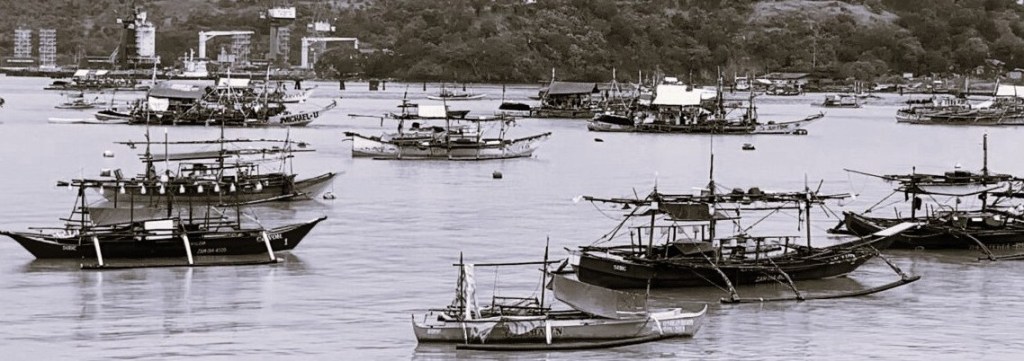
COVER PHOTO: Zambales fishermen continue their daily routine in the coastal village of Subic, Zambales, in this photo taken on October 14, 2025. (Joanna Aglibot)





Leave a comment