
By HENRY EMPEÑO | October 5, 2025
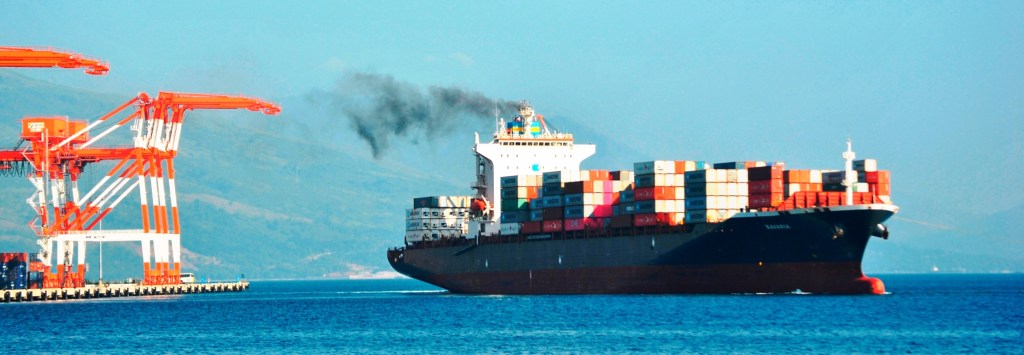
SUBIC BAY FREEPORT – The Subic Bay Metropolitan Authority (SBMA) and the Bureau of Customs (BOC) in the Port of Subic agreed to regulate the entry here of recyclable non-hazardous waste materials, a move expected to enforce environmental laws while boosting the recycling industry in this free port.
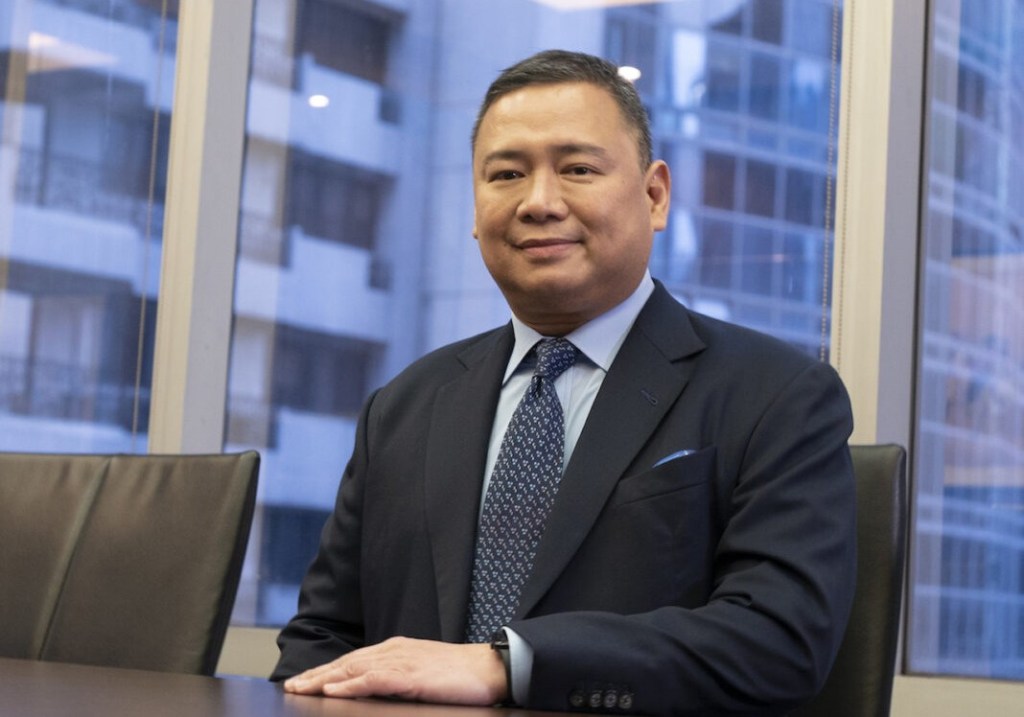
SBMA Chairman and Administrator Eduardo Jose L. Aliño and BOC-Port of Subic District Collector Noel C. Estanislao signed on October 2 a memorandum of understanding (MOU) covering the admission of recyclable non-hazardous materials and the enforcement regulations on recycling operations here.
Under the MOU, both agencies will coordinate and collaborate efforts to enforce SBMA guidelines on non-hazardous wastes in line with the agency’s environmental policies and facilitate the admission of materials for recycling to sustain local recyclers.
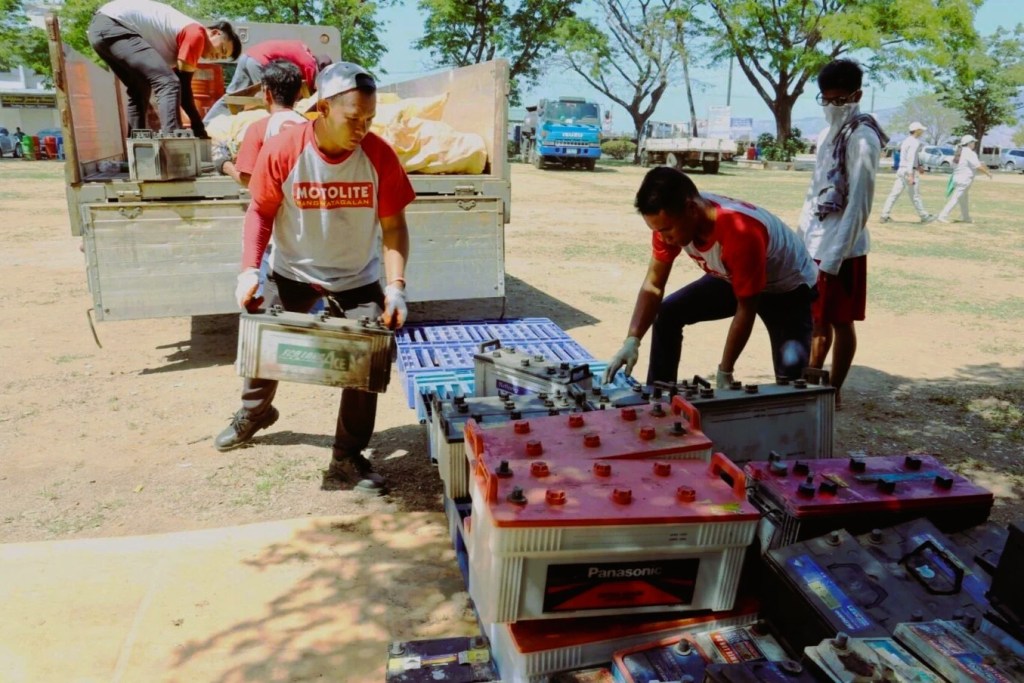
Subic, which generates from 60 to 65 tons of wastes daily, is host to 12 companies in the recycling business, according to SBMA Senior Deputy Administrator for Regulatory Amethya Dela Llana. Four other firms are now eyeing to set up similar ventures here, she added.
The SBMA had classified recyclable non-hazardous materials as common waste items like paper, cardboard, metals, glass, and certain plastics such as pet bottles, that generally do not pose a significant threat to human health or the environment.
The processing and reuse of these materials significantly contribute to resource conservation and reduction of landfill waste, thereby eventually benefiting the environment, SBMA said.
The recycling industry in Subic, it can be recalled, had suffered some ill-repute back in 2014 when authorities discovered 100 containers from Canada, declared to be recyclable plastics, but actually containing mixed wastes like household garbage, electronic waste, and even used adult diapers.

The illegal dumping stirred a storm of protests, leading the Canadian government to take back 96 containers in 2019 at its own expense (the other four had been disposed of in a landfill in Clark). It also fueled calls for Subic authorities to impose more stringent screening of recyclable imports.
With the recent SBMA-BOC agreement, authorities aim to ensure the smooth, transparent, compliant, and efficient conduct of recycling in Subic.
Aside from regulating the entry of recyclables, the MOU also called for an exchange of information on the recycling industry, and for capacity-building programs for SBMA and BOC personnel, as well as registered Subic recyclers, to promote proper understanding of policies and guidelines.
The parties also agreed on conducting periodic review of the MOU, and to propose changes, as needed, to rectify and address operational gaps and challenges.
“This agreement will not only ensure proper regulation of recyclable non-hazardous materials, but also enhance our shared efforts to safeguard our borders, protect the environment, and support legitimate industries within the Freeport,” BOC’s Estanislao said.
Aliño, for his part, stressed the need for cooperation among Subic stakeholders to attract more businesses while protecting the environment.
Prior to the MOU signing, the SBMA conducted a public hearing on September 16 at the Subic Bay Yacht Club to present the proposed guidelines and implementing procedures to business locators in Subic. The SBMA also informed them of the basis for fines and penalties to be applied in the admission of non-hazardous waste materials in the Subic Freeport.



Leave a comment