
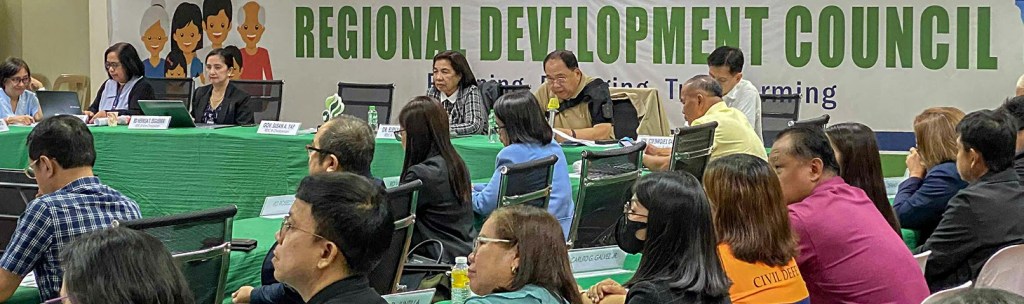
IBA, Zambales — The multi-sectoral Zambales Provincial Development Council recommended various infrastructure development projects in the province during its 14th Full Council Meeting on June 27.
Chaired by Governor Hermogenes E. Ebdane Jr., the council discussed ongoing projects and programs undertaken by key stakeholders, including local government units, national agencies, and civil society groups under the administration’s long-term development agenda.
The approved items included major plans and programs presented by the Department of Public Works and Highways (DPWH) office in Region III, as well as those proposed by the DPWH Zambales 2nd Engineering District.
The PDC endorsement was necessary to harmonize projects and initiatives in Zambales and coordinate efforts to ensure funding and support fro infrastructure programs among national and regional agencies, as well as local government units.
In the same meeting, Gov. Ebdane stressed that given its resources, Zambales has the potential to be a premier province, not only in Central Luzon but in the whole country. “But inclusive development must start from serious, capable, and honest leadership,” he added.
“If we ensure proper processes, projects and programs, as well as orderly government administration, I’m sure there will come a time that Zambales will be first,” he said.
Earlier, Gov. Ebdane also endorsed the General Appropriations Act (GAA) 2025–Classified as Congress-Introduced Increases for infrastructure projects for the provinces of Aurora, Nueva Ecija, and Pampanga as chairman of the Sectoral Committee on Infrastructure Development (SCID).
This was during the 2nd Quarter CY 2025 Full Council Meeting of the Regional Development Council (RDC) on June 25 at the City of San Fernando in Pampanga.
The governor also supported the RDC-CAR Resolution No. 72, s. 2024, which requested the Department of Energy to review the Implementing Rules and Regulations (IRR) of Republic Act No. 9136 or the Electric Power Industry Reform Act (EPIRA) of 2001.
Said resolution sought to ensure just and equitable financial benefits for host communities from revenues shared by power-generating companies.




Leave a comment