
By E.H. Edejer | March 25, 2025
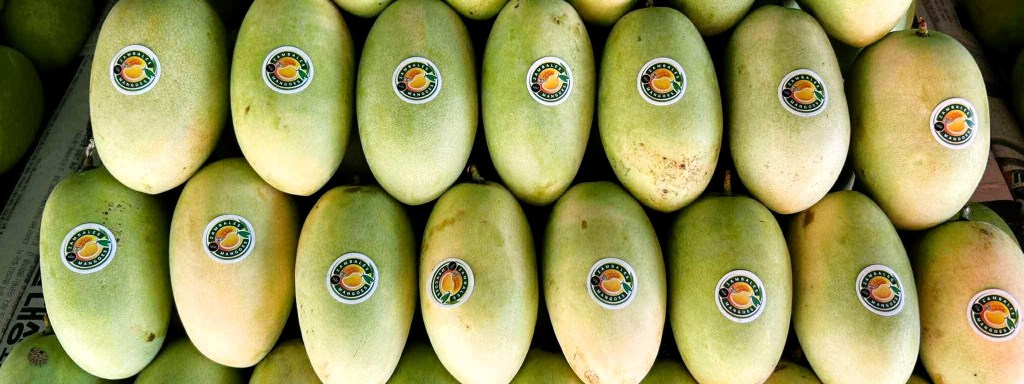
IBA, Zambales — The provincial government of Zambales is now focused on improving the production level of carabao mangoes here to ensure the competitiveness of the popular “dinamulag” variety and further boost income for growers and other industry stakeholders.
Governor Hermogenes Ebdane Jr. said on Monday the government’s flagship Zambales Mango Green Valley Project is now on its second phase, with P40 million set aside to revitalize some 20,800 mango trees in the province.
Phase 2 focuses on rehabilitating existing carabao mango trees through improved farm management, fertilization, and irrigation techniques, Ebdane said.
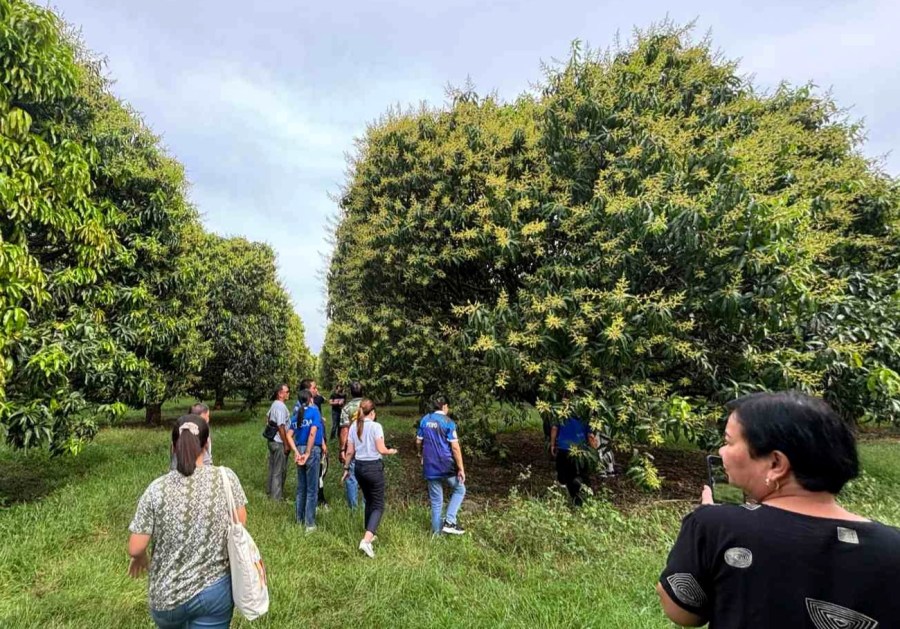
The governor explained that a key component in this stage is capacity-building and training, which shall be undertaken in collaboration with the President Ramon Magsaysay State University (PRMSU) and the Samahan ng Magmamangga ng Zambales (SMZ).
The four-year Phase 2, which will run until 2028, comprises the bulk of the P50-million project launched last year to increase mango production yield, encourage farm owners and contractors to adopt modern farm technologies, and promote good agricultural practices for long-term sustainability and profitability.
Ebdane stressed that efforts to improve production are crucial to the local industry because, while Zambales is known for producing the tastiest mango fruits in the country, the province produces only 2.3 tons of mangoes per hectare, which is way below the national average of 12 tons per hectare.
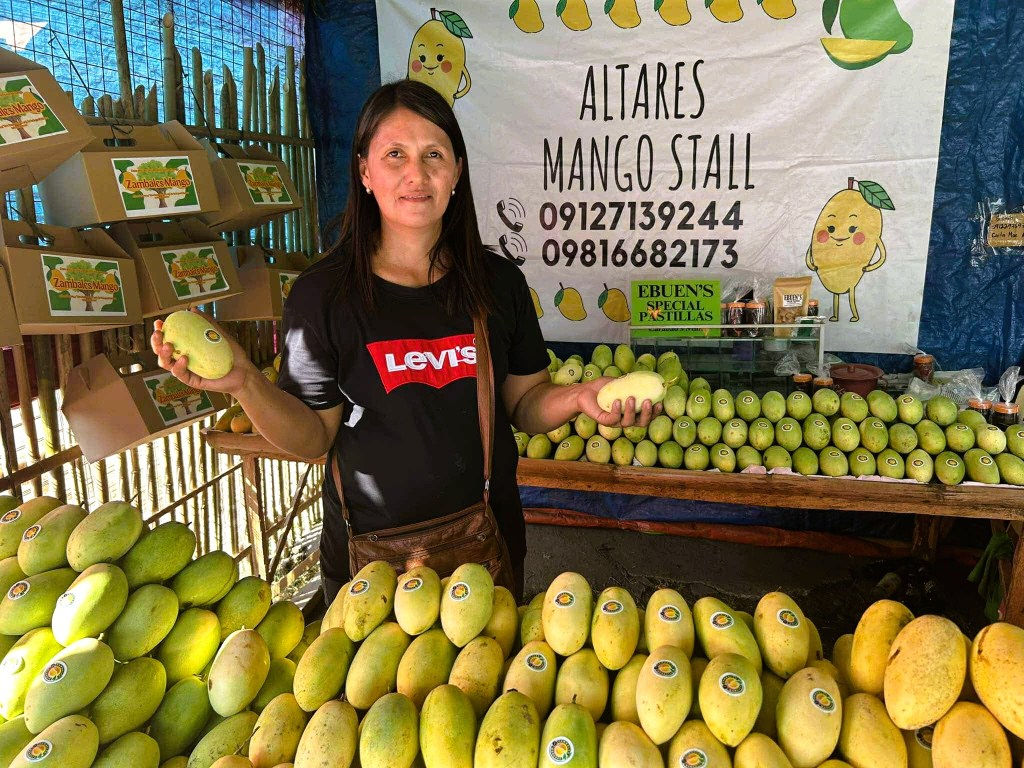
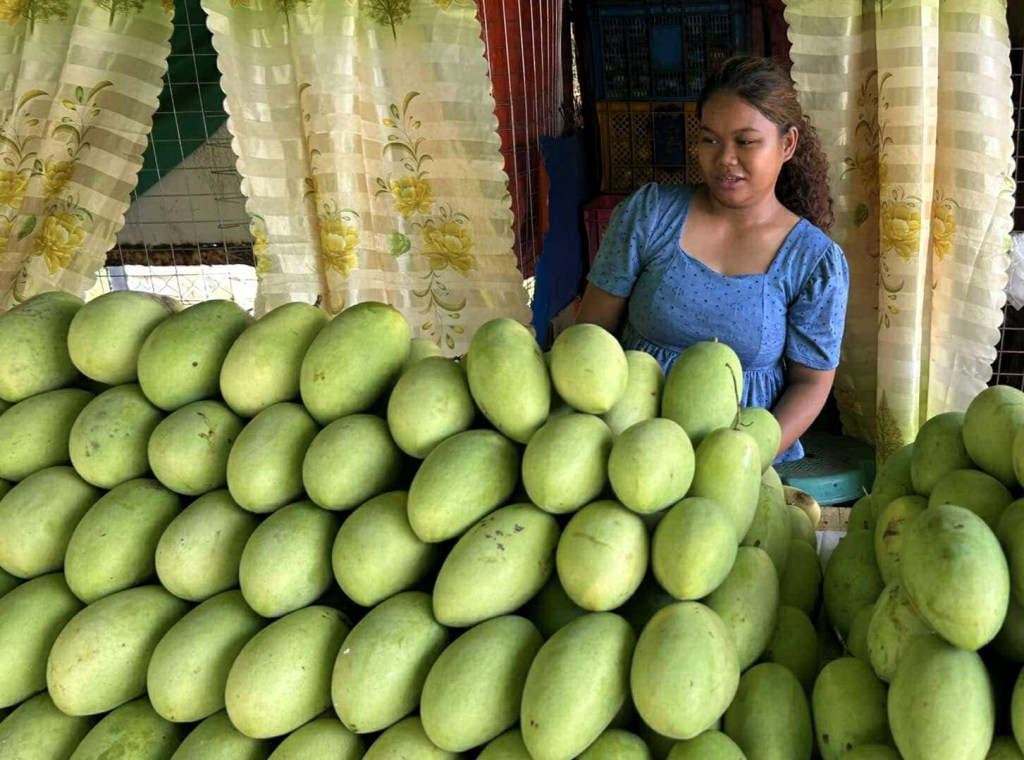
“We’re now aiming for 12 tons, too,” the governor pointed out. “This is the more important, and more difficult, part of sustaining the mango industry because we have to exponentially increase quantity without sacrificing quality to make local mangoes more competitive.”
Ebdane stressed that while product promotion has been going on in decades with the annual mango festival, it was only last year under the Zambales Mango Green Valley Project that serious product development through modern production techniques started under a provincewide program.
Last year, three pilot areas were established to introduce new production technology to local growers, said Engr. Domingo Mariano, head of the technical working group for the Zambales Mango Industry Council (ZMIC-TWG).
Mariano said the provincial government released P6.4 million to the SMZ last December under a conditional assistance program to jumpstart the collaboration project.
This was used for pre-spray clearing, flower induction, chemical application, fruit bagging, irrigation and fertilization, security, and harvesting at the pilot farms, said SMZ president Enrico Batungbacal.
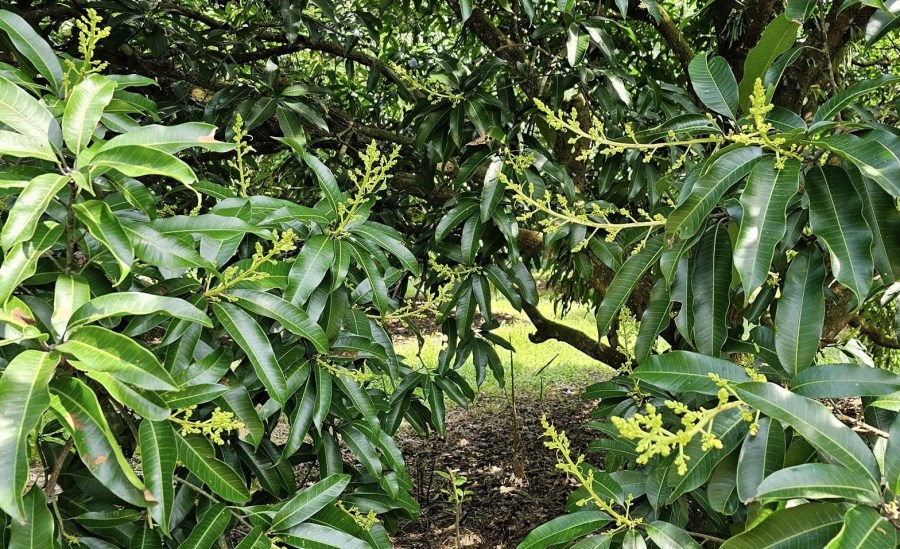
Ebdane said Phase 3 of the project will start next year to propagate scions and seedlings of the Sweet Elena variety of carabao mango from Sta. Cruz, Zambales, which was named in 1995 by the Guinness Book of World Records as the world’s sweetest.
Ebdane added that under Phase 3, a mango training center and a post-harvest processing facility are being established under a usufruct agreement with the Region 3 Mango Stakeholders Association, Inc. to enhance mango farming education, improve post-harvest handling, and elevate production standards in Zambales.
A planned marketing component will include branding, product exportation, as well as greenhouse cultivation, he also said.





Leave a comment