

By HENRY EMPEÑO | February 9, 2024
SUBIC BAY FREEPORT — A trade route connecting the ports of Subic, Manila and Osaka in Japan might be in the offing following the visit here of Osaka Ports and Harbors Bureau officials and the increased focus by the Subic Bay Metropolitan Authority (SBMA) on maritime-related business.
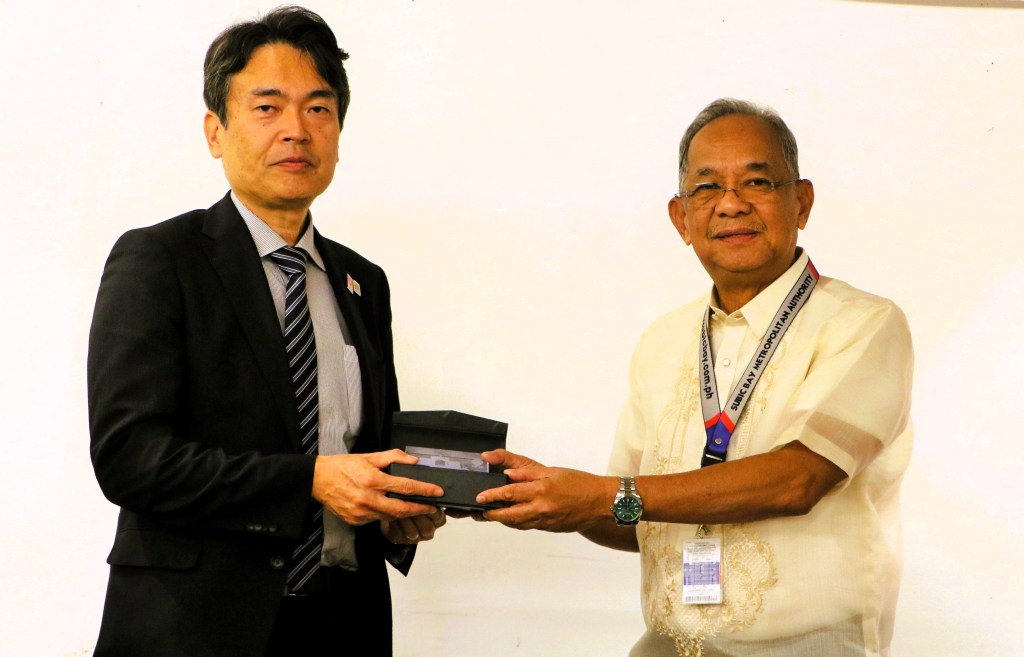
SBMA Chairman and Administrator Eduardo Jose L. Aliño said the Subic agency is now “exploring cooperation possibilities in port-related business” with the Port of Osaka to tap the potentials of both ports for increased cargo traffic.
Aliño added that the two ports are now pursuing the development of a Manila-Subic-Osaka route with major shipping lines to increase trade between the Philippines and Japan.
Japan, which is one of the country’s top trading partners, imported some US$11.09 billion worth of goods from the Philippines and exported back US$13.09 billion in 2022, according to the United Nations Comtrade database on international trade.
Aliño said during the Osaka Ports & Harbors Bureau mission here that a Manila-Subic-Osaka route for major shipping lines could further increase trade between the two countries.
“The Philippines is among the world’s fastest-growing economies with an average annual growth rate of six to seven percent per year. After diving into a slump in the growth of its Gross Domestic Product in 2022 due to Covid, we can now hope, dream, and expect to marvel at a new dawn, and proudly become an indispensable and crucial part in the financial and industrial development of international trade,” said Aliño, who chaired the S.T.A.R. Group of Companies, a major player in integrated supply chain services and port operations, before he was named to the SBMA post last month.
Osaka Ports and Harbors Bureau Director-General Maruyama Junya, meanwhile, said their visit to Subic was an opportunity to share information on port development, port management, and logistics, and to promote mutual exchanges.
“Osaka Port has developed as an international trade port with industrial and financial development in the Kansai area. We are working actively on further development through improving port facilities and carrying out port sales,” he said.
“In 2023, we have decided to focus on the Philippines, one of the Southeast Asian countries that has been developing remarkably against a backdrop of high economic growth in recent years, and organized a port sales team with Kobe-Osaka International Port Corporation and other transport companies,” Junya added.
Junya arrived in Subic with a delegation from port and harbor transportation business operators such as Sumitomo Warehouse Co., Tatsumi Shokai Co., Ltd., Nissin Corp., Konoike Transport Co., Ltd., Sankyu Inc., Shosen Koun Co., Ltd., Nippon Express Co., Ltd., and Mitsubishi Logistics Corp.
Aliño, SBMA Senior Deputy Administrator (SDA) for Port Operations Ronnie Yambao, SDA for Business and Investment Renato Lee III, Maritime Business Manager Karen Magno, and Seaport Department Officer-in-Charge Michael Lazaro provided an extensive briefing to Junya and company on Thursday.
Yambao said that in 2023, Subic’s cargo volume has reached to 6.4 million metric tons with lumber, tires and motor vehicles as the top commodities handled by Subic for both import and export.
“By expanding our network and developing this new shipping route, we are also providing more economic opportunities that will increase our trade and cargo volume between our ports,” he added.
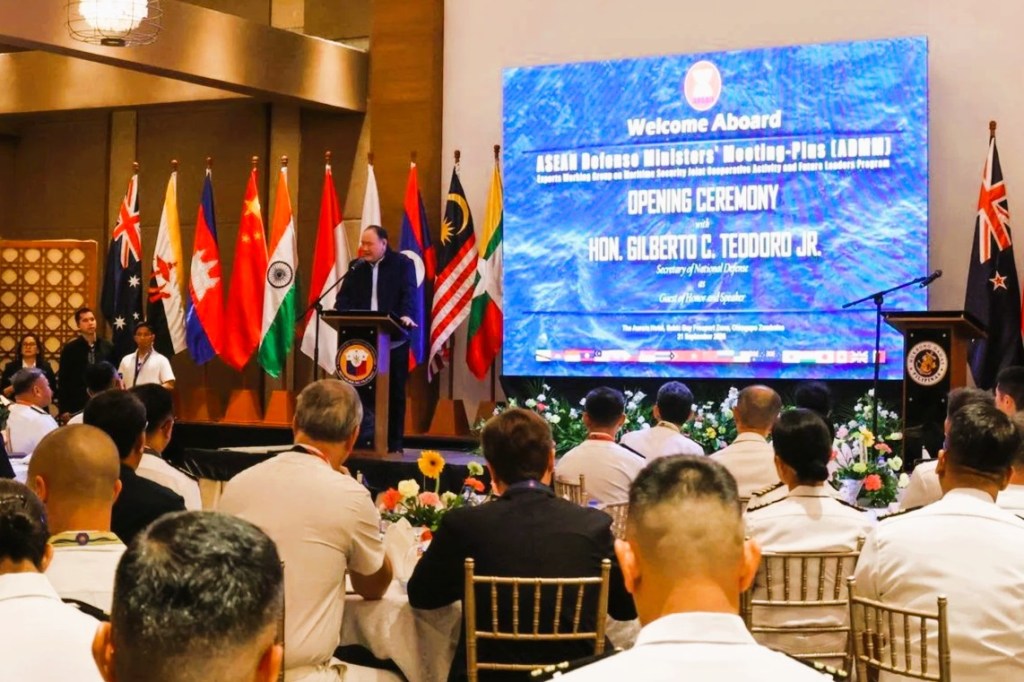
More maritime business is expected in Subic in the run-up to the International Network of Affiliated Ports (INAP) General Assembly and Symposium that will be held here this October. INAP members include the Port of Colombo in Sri Lanka, Port of Dangjin and Mokpo New Port in South Korea, Port of Kochi in Japan, Port of Qingdao in China, Port of Tanjung Perak in Indonesia, Port of Chittagong in Bangladesh, and Port of Subic Bay, Port of Cebu, and Port of Davao (Philippine Ports Authority) in the Philippines.




Leave a comment