
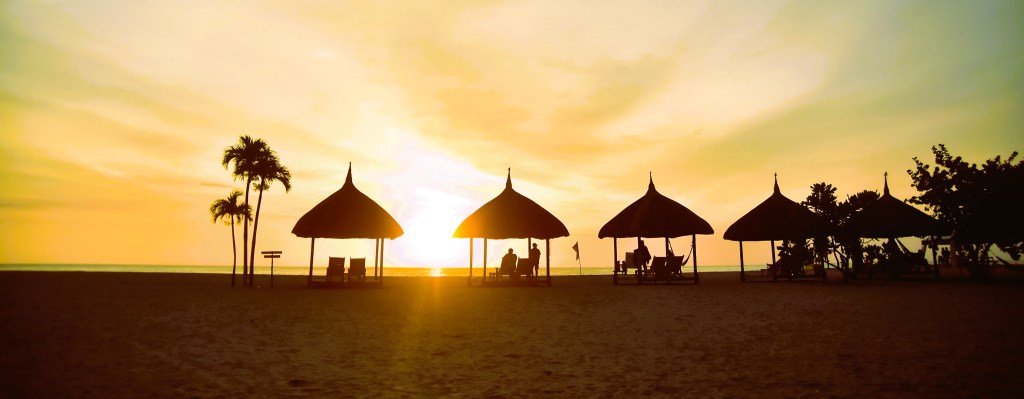
Zambales doubles its tourism attractions despite the pandemic with Instagrammable offerings
Story and Photos by HENRY EMPEÑO
SAN FELIPE, Zambales—Weekends are a heady time for business at Liwliwa, a beach community that is packing tourists and visitors like the proverbial sardines in this relatively sleepy town of Zambales.
At New Liwa, where a recently built concrete road now gives better access to the beach, pickup trucks and SUVs with surfboards secured on roof racks line up the agoho-lined street, bringing in the adventure class with money to burn. Then at Old Liwa, which pioneered the local board scene with beach camps for backpacking skimboarders, customers continue to be charmed as traditionally bare beach huts metamorphosed into fully furnished glamping hostels.
The clientele is diverse: we saw three young bikers one Saturday at Bali of Liwa, one of the latest additions to the charming Liwliwa beach resorts, lounging on leather-stuffed wickers in a gazebo while waiting for late lunch. At the bar, a couple enjoyed early-afternoon beer while listening to a reggae version of Lady Gaga’s “Remember Us This Way.”
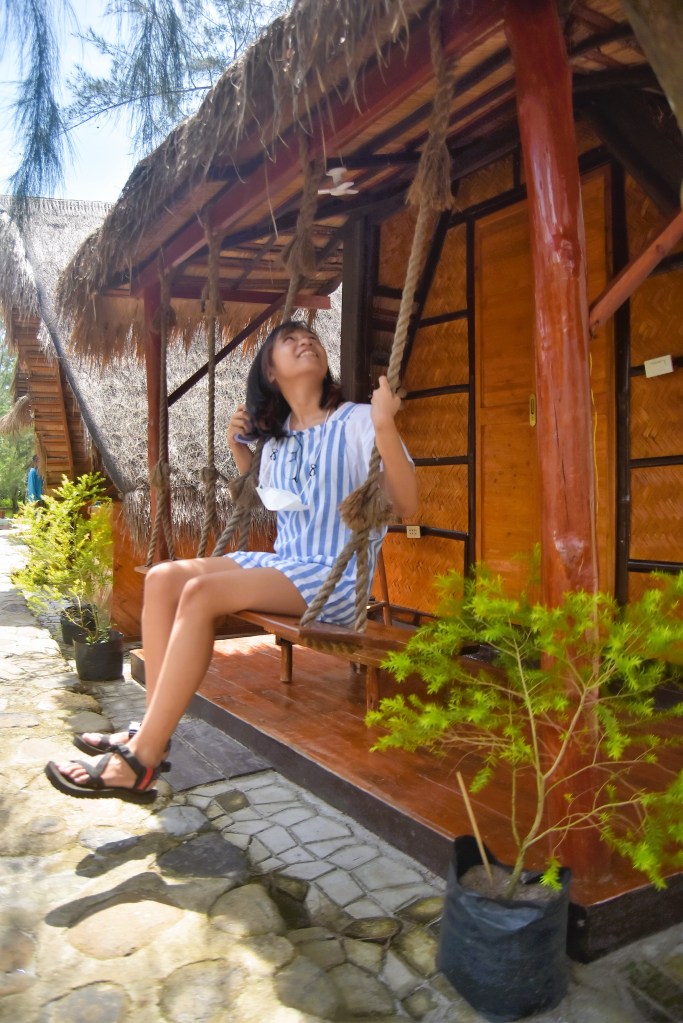
A visitor relaxes outside a cottage at Bali of Liwa Resort 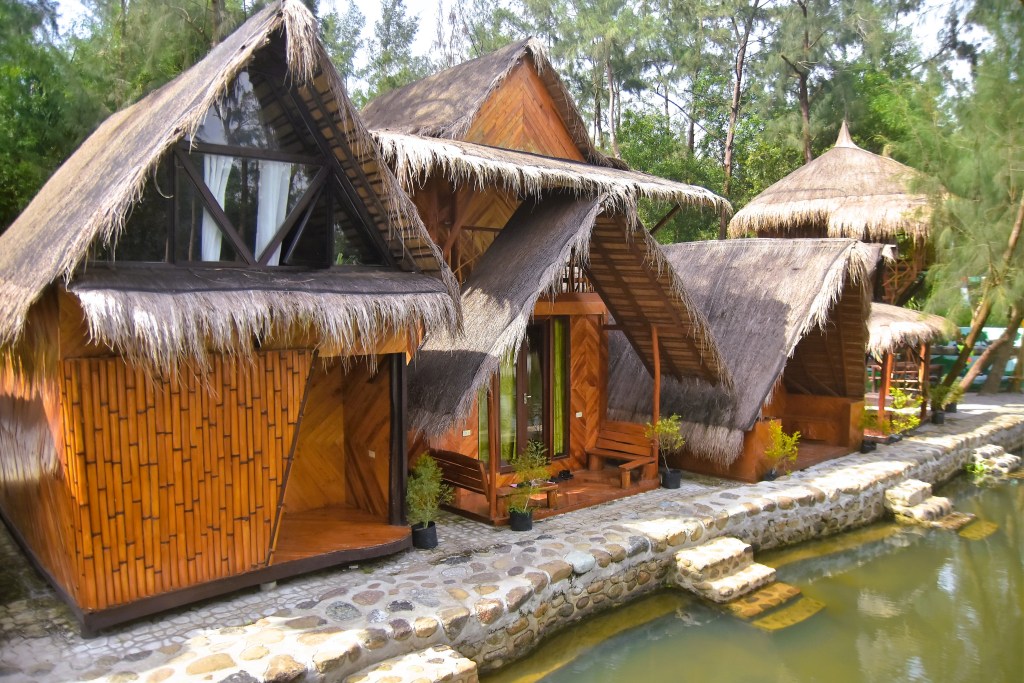
Bali-inspired cottages are the major attraction at Bali of Liwa Resort in San Felipe, Zambales 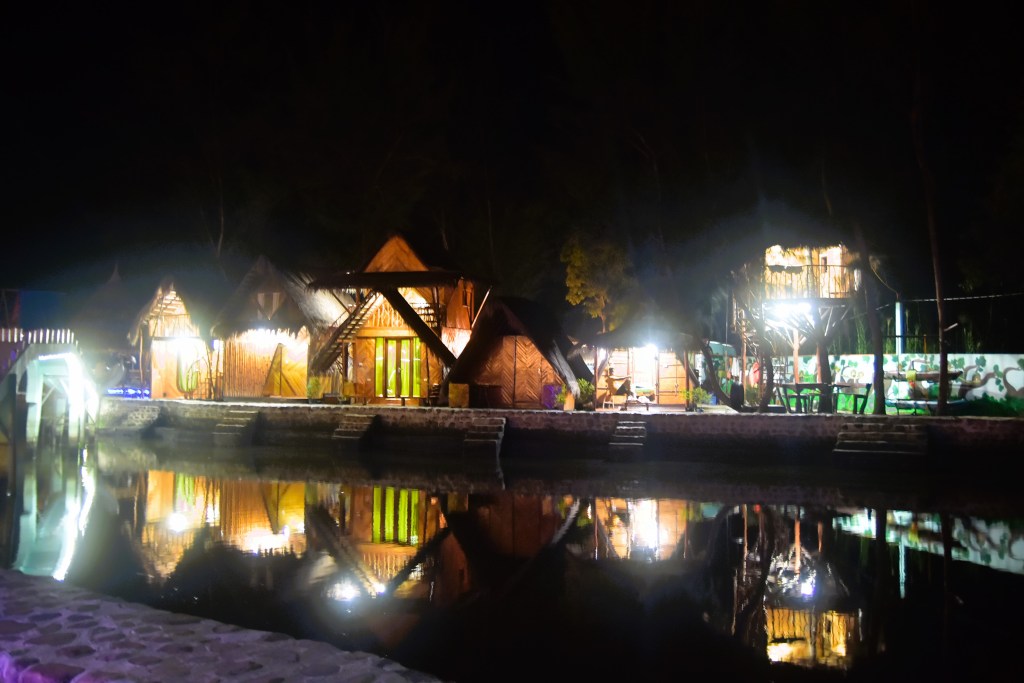
Bali of Liwa cottages are aglow at night
At the footbridge leading to the resort, two girls were snapping pictures and posing with birthday balloons, then momentarily stood aside to let pass a family of five, bags in tow, who were heading to the cottages.
Bigger groups would come at night, six or eight of either family or friends, most apparently tanned from the beach, when at 7:30 pm, an acoustic duo dished out beer music on an outdoor stage.
Ryan Santos, the resort manager, said people of all shapes and sizes came to Bali of Liwa since it started operating last April. Most were from Manila, Pampanga, Bataan, Bulacan, and even as far as Laguna.
“They looked for beautiful places, for something Instagrammable, something they can post on social media,” observed Ryan.
Most of those who arrived, Ryan added, were millennials who can’t get enough of the Bali-inspired cottages, the iconic bridge with giant outstretched fingers that spanned the river, and the rough-hewn furniture used throughout the resort.
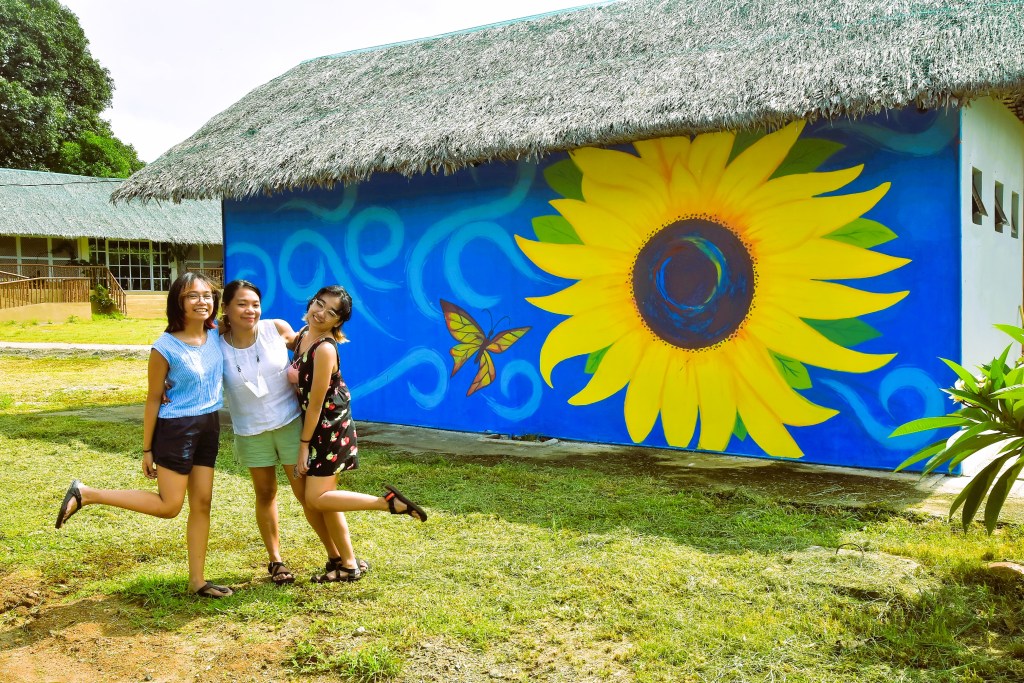
The same formula of pretty open spaces, where visitors can indulge in leisure with safety at the premium, is tried and tested almost everywhere in Zambales, particularly in tourist destinations where masking is no longer considered de rigueur.
“They also wanted open spaces where they can feel safe,” said Che Raguini of BCV Farm, a mountain resort tucked amid a grape farm, papaya-clad foothills, and a cold mountain-water river in Iba, Zambales.
“People come here because they wanted to enjoy nature, to once again experience not being cooped up because of Covid. People come here because they wanted to feel free,” she added.
Pandemic boom
TOURISM was a big casualty of the Covid-19 pandemic. According to a study by the Congressional Policy and Budget Research Department of the House of Representatives using data from the Philippine Statistics Authority, the growth of the country’s tourism industry was halted by travel restrictions, border controls and stringent community lockdowns imposed by the government.
“After 11 years of consecutive growth, the tourism direct gross value added (defined as that generated by the tourism industries of the economy that directly serves visitors) declined by 61.2 percent to P973.3 billion in 2020 from P2.5 trillion in 2019,” the said study noted.
It added that domestic tourism expenditures, which pertain to spending by resident visitors within the country either as domestic trip or part of an international trip, “declined sharply by 77.9 percent and 82.3 percent, respectively, in 2020.”
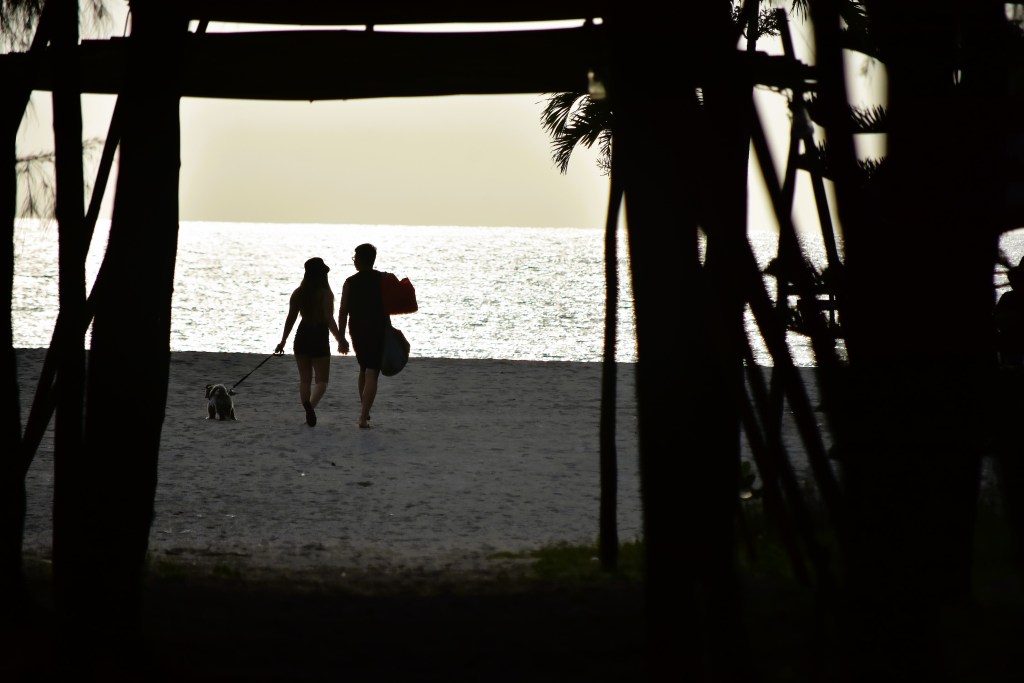
Local tourism statistics, however, appeared to defy the general trend. According to the Zambales Provincial Tourism Office (ZPTO), a total of 503,161 domestic visitors and 17,130 foreign tourists arrived in Zambales from January to June this year.
This was the latest in a continuing growth from a total of 71,552 local and 1,063 foreign arrivals in 2020, the lowest under the Covid-19 health crisis, to 100,488 local and 3,340 foreign arrivals in 2021 after the plunge. This, from the top record of 692,380 local arrivals and 62,761 foreign arrivals in 2019.
ZPTO, which used the online platform Visitor Information and Travel Assistance System (Zambales VISITA) to screen out visitors during the Covid-19 pandemic, said that from May 22, 2021, to March 13, 2022, there were 166,312 registered users among those wishing to travel to Zambales.
Fully 49 percent of the VISITA users, or a total of 78,849, came from the National Capital Region; followed by Bulacan, with 21,916 (10 percent); Pampanga, with 21,095 (10 percent); Rizal, 10,688 (6 percent); and Zambales, 3,587 (3 percent).
From December 27, 2021, to January 2, 2022, the ZPTO through the Zambales VISITA also recorded 8,299 travel requests to the province, out of which 6,514 were approved.
The most popular destinations requested for visits were the resort towns of San Felipe, San Antonio, and Subic, VISITA data showed.
Double the number
STILL, the more telling figures from ZPTO were those that tracked the growth of accommodation establishments in Zambales before and during the Covid-19 pandemic, said Tel Mora, who is Zambales Provincial Tourism Officer.
She pointed out that in 2018, there was a total of 151 accommodation establishments—beach resorts, inland accommodations, hotels, and lodges or inns. Most of these were found in towns with active beach scenes: 31 in San Antonio, which is known for its surfing sites; 28 in Iba, the capital town and beach area; 16 in Candelaria, another popular beach site; 15 in Subic; and 14 in San Narciso.
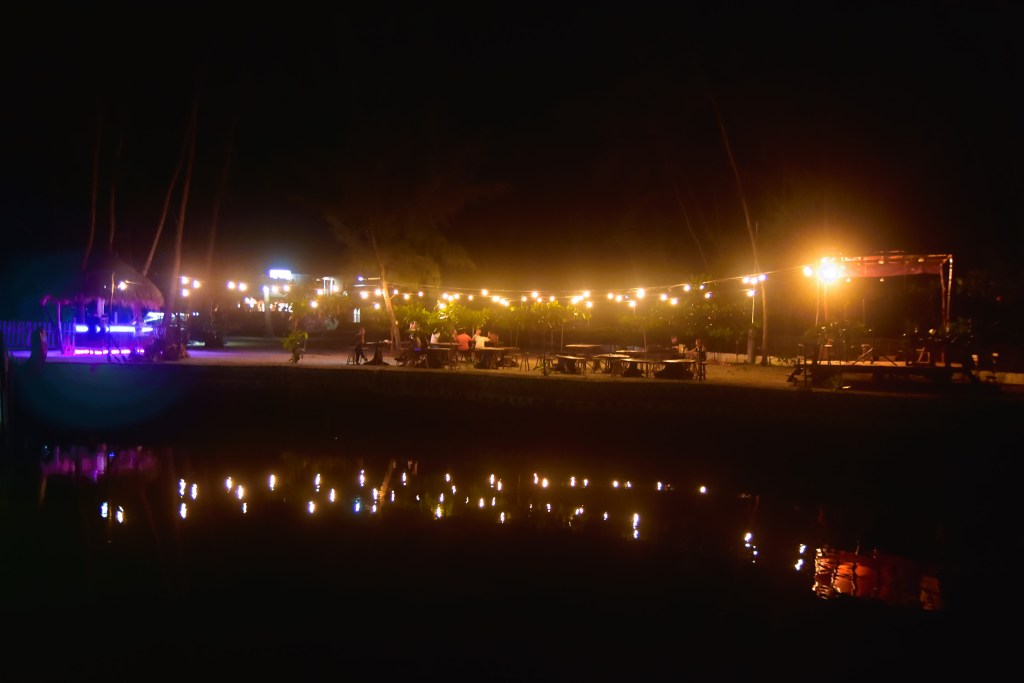
In 2019, the total number increased to 231, with the most in San Antonio, at 47; Iba, with 42; Candelaria, 23; San Felipe, 19; San Narciso, 18; and Santa Cruz, 16.
In 2020, the total rose to 273, with the most in San Felipe, 48; San Antonio, 46; Iba, 40; Candelaria, 26; Cabangan, 22; San Narciso, 21; and Botolan, 17.
In 2021, the total further climbed to 317, with the most in San Antonio at 55; San Felipe, 54; Iba, 46; Botolan, 29; Cabangan, 27; Candelaria, 26; and San Narciso, 21.
However, as of August this year, the accommodation establishments in Zambales reached a total of 340—more than double that of the 2018 pre-pandemic count of 151. Note that aside from beach resorts, inland accommodations and hotels and lodges, three other classifications surfaced: pool resorts, which have a total of 8; farm resorts, now numbering 12; and campsites, now at 10.
Still the beach communities provide the anchor for local tourism, with the biggest number of tourism accommodation establishments located in them: San Antonio with 70; San Felipe, 49; Iba, 42; Botolan, 38; San Narciso, 28; Candelaria, 26; and Cabangan, 25.
Industry revenue
HAND in hand with the growing number of visitors to Zambales and the increase in the number of accommodation facilities in the province, the local tourism industry is also experiencing significant growth in tourism income.
Stressing that the Zambales Provincial Tourism Office only counted overnight visitors as “tourists,” Mora estimated that each tourist has an average stay in the province of two days and one night, especially during the peak tourism season in March until May.
“We’re doing what you can call a conservative count, as we want a reliable measure of performance. We get our figures from local tourism officers, not from the establishments,” Mora told the BusinessMirror.
She said that with ZPTO estimates placing daily expenditure per tourist in Zambales at P2,500, the 503,161 domestic arrivals and 17,130 foreign tourists recorded from January to June this year could have easily generated more than P1.3 billion in income for local tourism establishments and tourism-related businesses.
From ridge to reef
BECAUSE Zambales has a long coastline—a total of 177 kilometers of sandy beaches, rocky promontories, and mangrove growths—its beaches became the most visible local tourism attractions.
This explains why the top five tourist destinations in the province this year are all situated by the sea: Anawangin Cove in San Antonio town, which logged in a total of 49,044 visitors from January to June; Nagsaza Cove, also in San Antonio, with 21,686; Talisayen Cove, likewise in San Antonio, with 16,739; Silanguin Cove, in the same town, with 11,706; and Capones Island, also in San Antonio, with 4,582 visitors.
Other popular tourist destinations in Zambales include the Mount Pinatubo crater lake in Botolan town; Mount Tapulao, the highest mountain in the Zambales Mountain Range and the highest peak in Central Luzon, as well as caves, waterfalls, rivers and valleys in between the mountains and the sea.
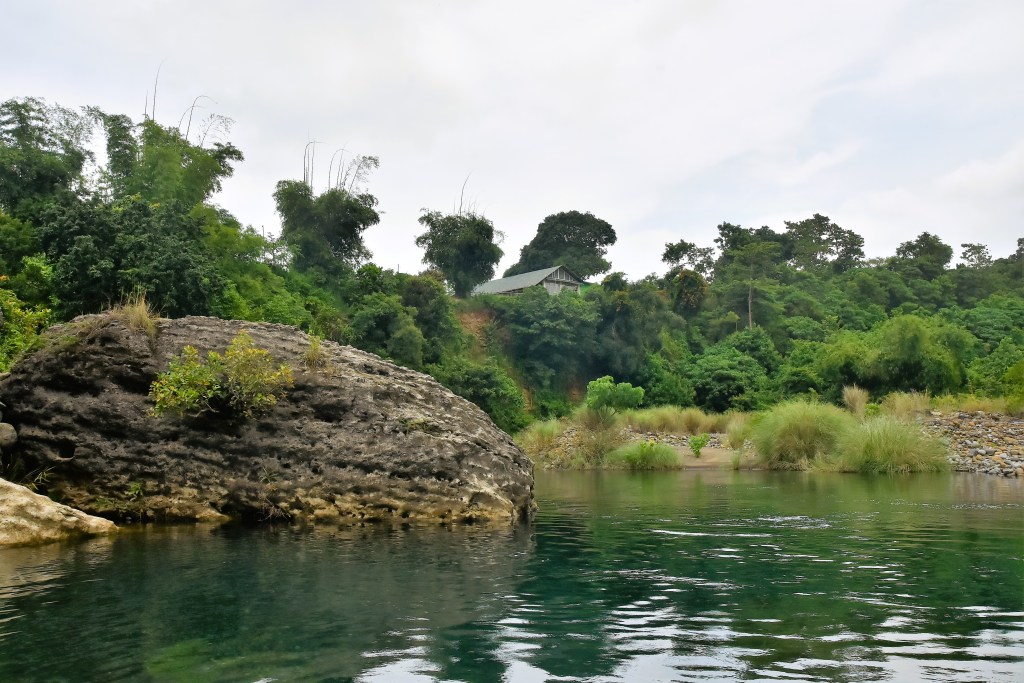
The newest emerging inland destination that’s taking in visitors in droves is the so-called New Zealand of Zambales, a picture-perfect open space in San Marcelino town that’s actually Rancho Rodriguez. The expanse of green short-cropped grass, the pine trees ringing the lakeside, and the herd of cattle that freely roam the area are evocative of a pastoral New Zealand scenery, visitors there said.
But other than these, Mora said there’s a lot more that Zambales can offer. “We have seven major ecotourism sites, seven islands, two museums, and one art gallery. We also have 15 old Roman Catholic churches, eight national historical markers, and one National Cultural Treasure—the San Andres Apostol Parish Church, which was established in 1697,” Mora added.
Mora said more local tourism offerings will be opened in Zambales soon with the provincial tourism product launch scheduled this month.
“We are putting out more products in response to Gov. [Hermogenes] Ebdane’s call to identify more local tourism products and services that can compete and provide fresh revenue stream to Zambales,” she said.
These new products, Mora added, will highlight the province’s natural and man-made tourism assets that capitalize on adventure and lifestyle features. And, yes, all will be very much Instagrammable, she promised. ~





Leave a comment