
By CARRIE ASPA | Iba, Zambales
ZAMBALES and several neighboring provinces in Central Luzon were placed under modified enhanced community quarantine (MECQ) on Friday, May 15, as the Inter-Agency Task Force for the Management of Emerging Infectious Diseases (IATF-EID) eased down a bit on transitioning high-risk areas that were previously under enhanced community quarantine (ECQ) status.
Under IATF Resolution No. 37, Zambales, along with Bataan, Pampanga, Bulacan, Nueva Ecija, as well as Angeles City, will be under MECQ from May 16 to May 31.
The said areas were previously classified under IATF Resolution No. 35 as moderate-risk and were already set for general community quarantine (GCQ), but Zambales, Bataan and Bulacan separately filed for extension of ECQ, while Pampanga, Nueva Ecija and Angeles City issued their own appeals for MECQ.
In his May 12 letter to Director Julie J. Daquioag of the Central Luzon Regional Inter-Agency Task Force (RIATF), Governor Hermogenes Ebdane Jr. reported that there was still a high prevalence of Covid-19 transmission in Zambales, thus the appeal for ECQ extension.

He said that “local transmission is still increasing and our hospital capacity will not be able to accommodate the surge of patients once the restrictions are lifted.”
“The health of our residents remains our primary priority,” Ebdane stressed in his appeal to the RIATF.
Similar appeals were made by executives of nearby provinces in the region, who echoed concern over continuing local transmission and the possibility of a second wave of Covid-19 infection in their areas.
In Bataan, Governor Albert Garcia said that lifting the ECQ in the province would defeat the sacrifices and efforts made by Bataeños in fighting the virus.
“The World Health Organization had said that lockdown may be relaxed when there is already a flattening of the curve. But here in Bataan, you cannot say that the curve has been flattened. In fact, as of May 13 we have eight new positive cases and one additional death, and a total of 119 confirmed cases,” Garcia said in a statement to his constituents.
.Meanwhile, Pampanga Governor Dennis Pineda appealed for his province to be placed under MECQ instead of GCQ, saying this would prepare Kapampangans for the new normal, as well as give local health authorities ample time to further assess results of the local mass testing for Covid-19.
Tarlac Governor Susan Yap, on the other hand, said that while her province would be under GCQ, quarantine measure like observance of curfew hours, border controls, and health measures will remain in force.
Following the IATF’s latest directive, the Subic Bay Freeport Zone, which abuts Zambales and Bataan, also shifted to MECQ on May 16.
But at the same time, Subic Bay Metropolitan Authority (SBMA) Chairman and Administrator Wilma T. Eisma reminded Subic stakeholders that the Subic agency will retain border controls and restrictions on non-essential activities in conformance with MECQ guidelines.
“This shift to MECQ will definitely not involve any major relaxation of our existing quarantine rules. We still have to wear mask, do disinfection, practice social distancing and observe curfew hours,” Eisma said today, May 16.
“The only significant difference is that we’d be allowing more business operations so that the local economy may start its rebound,” she added.
The Subic Bay Freeport had so far remained free of Covid-19 infection, but the SBMA has prepared care and isolation facilities open to residents of nearby communities in case of a surge in Covid-19 cases.
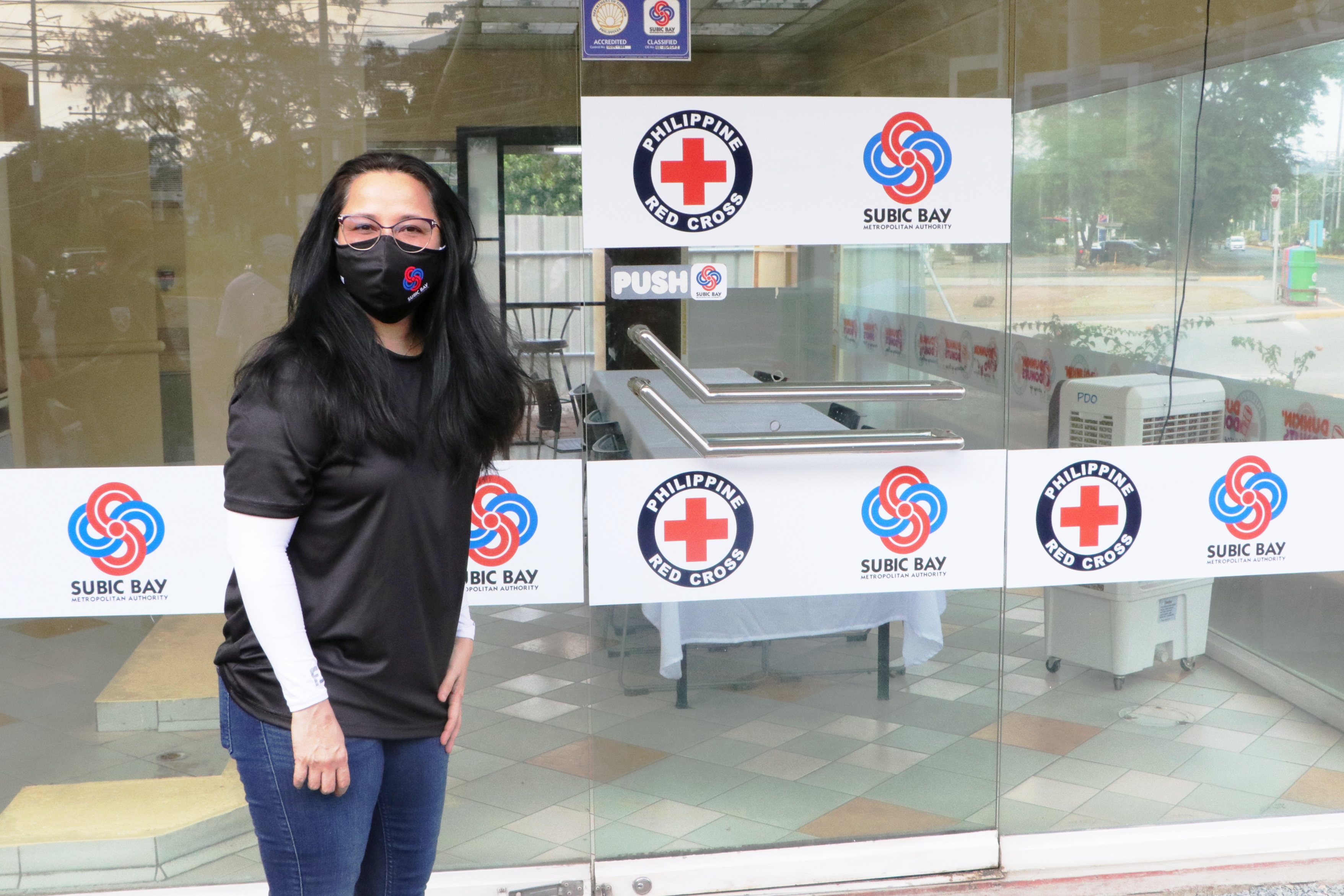
Eisma has also urged neighboring local government units to join a mass testing program to be implemented jointly by the Philippine Red Cross and the SBMA to detect Covid-19 infections in the locality.
The provinces of Bataan and Zambales have so far reported a total of 20 and 119 confirmed Covid-19 cases, respectively, while nearby Olongapo City, which has opted to remain under GCQ, has tallied 12 positive cases as of May 15. – With HENRY EMPEÑO




Leave a comment