
By HENRY EMPEÑO |
SUBIC BAY FREEPORT — Five senior officials of the Subic Bay Metropolitan Authority (SBMA) heaved a collective sigh of relief here after the Office of the Ombudsman dismissed for lack of merit a complaint filed against them two years ago by former SBMA chair Martin Diño.
In a decision approved by Ombudsman Samuel Martires last July 29, the anti-graft body cleared the respondents and ruled that they acted only in accordance with the law.
Those cleared of the charges of grave misconduct, serious dishonesty, gross ignorance of the law, and grave abuse of authority/oppression were SBMA Senior Deputy Administrator Ramon Agregado, Deputy Administrator for Finance Antonietta Sanqui, Treasury Department manager Myrna Caseja, Accounting Department manager Emilia Canonizado, and Budget Department manager Editha Marzal.
Diño, who is now undersecretary at the Department of the Interior and Local Government (DILG), filed the complaint against them on July 19, 2017 in connection with his claim for salary as SBMA chairman.
According to Ombudsman records, Diño claimed that he “never received his salary/compensation except (for) per diems on regular board meetings he attended.”
Diño also contended that his claims for salary were rejected by the respondents despite several oral requests.
The SBMA officials, however, denied the charges and averred that under the law it was not Diño who was the real plantilla officer, but the SBMA administrator who also serves as chief executive officer.
Under this setup, they added, the SBMA issued salary only to the SBMA administrator and paid out only per diems to the SBMA chairman based on the latter’s attendance at board meetings.
In coming up with the ruling, the Ombudsman noted that Diño’s only basis to justify his demand for salary was Executive Order (EO) 673 signed in 2007.
This order signed by then President Gloria Macapagal-Arroyo fixed the salary of the SBMA chairman to be the same as that of the SBMA administrator and amended Section 1 of Arroyo’s EO 340, which reorganized the SBMA Board of Directors and split the SBMA chairman position from that of the administrator.
The Ombudsman pointed out that “when EO 24, series of 2011 was issued, it repealed EO 340 together with EO 673.”
It added that under EO 24, which was issued by then President Benigno S. Aquino III in 2011, the SBMA chairman cannot receive salary equivalent to that of the SBMA administrator because it would be “over the limit for the maximum annual compensation for members of the Board of Directors of GOCCs, such as SBMA.”
“Based on the foregoing, respondents acted only in accordance with EO 24 They did not transgress or violate any law or established rule that would render them administratively liable,” the Ombudsman said.
It added that “since no forbidden act or unlawful behavior was exhibited by respondents, all administrative charges against respondents shall fail.”
The respondents said they collectively expressed relief when they learned of the favorable Ombudsman ruling last month.
“We have long awaited this good news. This only affirmed our innocence,” one of the respondents said.
The official added that it was very important for them to be cleared of the charges because it affected their good standing and benefits as employees in government service.
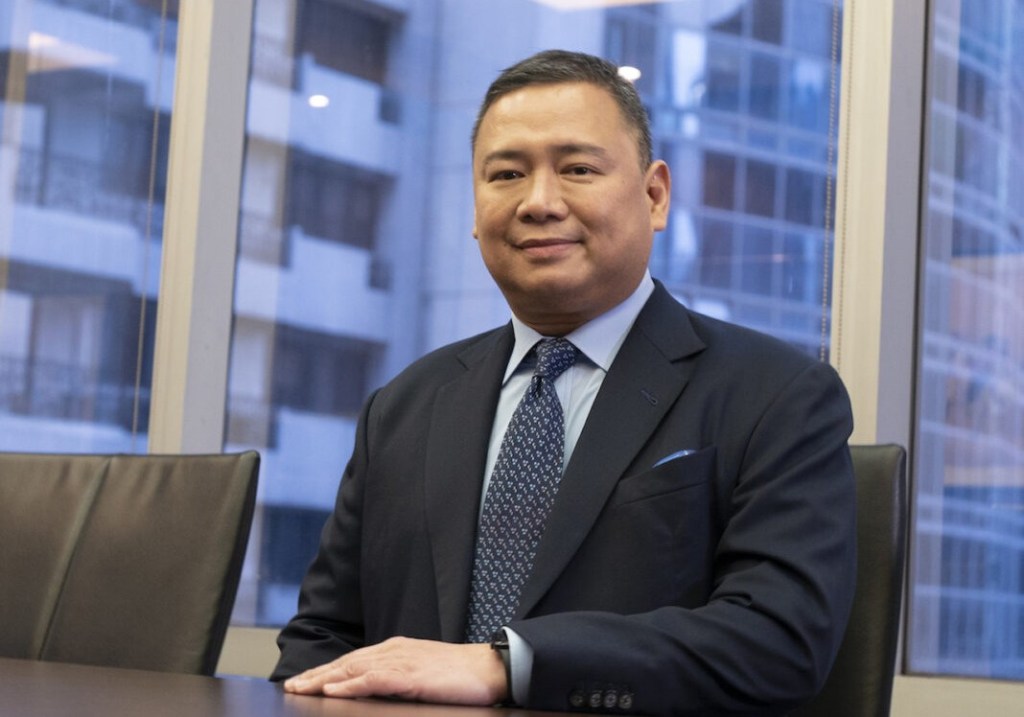
TOP PHOTO: File photo of then SBMA Chairman Martin Diño during a House inquiry on the SBMA leadership issue.



Leave a comment