
Story and Photos by HENRY EMPEÑO
PILAR, Bataan — After playing a heroic role in the defense of the Philippines and paying a heavy price for it during World War II, the province of Bataan is now being called to revive bravery, patriotism and love of freedom especially among young Filipinos through heritage tourism.
In the 76th commemoration of the “Araw ng Kagitingan” at the Mount Samat National Shrine here, Executive Secretary Salvador C. Medialdea urged on Filipinos to remember the infamous Bataan Death March, and not to forget the courage of some 76,000 soldiers who were forced into the march and their ultimate sacrifice for freedom.

“Let us remember, but not to cry or to grieve, but to resolve to value freedom,” Medialdea told an audience that included Japanese Ambassador to the Philippines Koji Haneda and United States Deputy Chief of Mission to Manila Michael S. Klecheski.
“Let us be vigilant and passionate in preserving our freedom and sovereignty,” he added. “Let us ensure that the legacy of our forebears is not forgotten.”
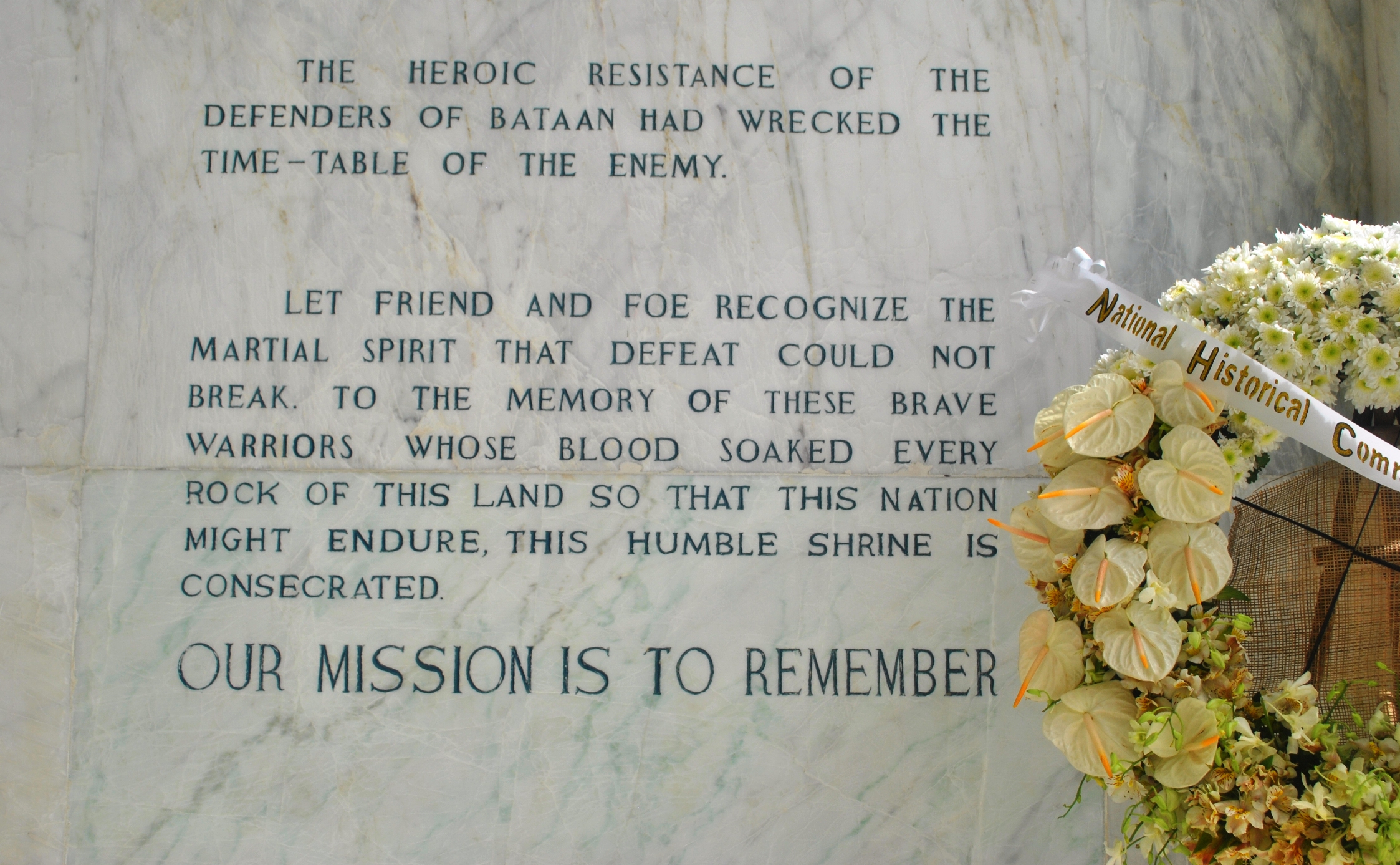
Medialdea’s call to remember the heroes of Bataan resonated fairly well in last Monday’s ceremony, as the occasion also marked the ground-breaking and launching of the logo for the Mt. Samat Flagship Tourism Enterprise Zone (Mt. Samat FTEZ), a government project designed to build on the historical and cultural value of Bataan’s role in World War II.
The project, which envisions the development of the 73-hectare site of the Shrine of Valor at the Mt. Samat National Park into world-class historical city and tourism destination, is being implemented by the Bataan provincial government, Philippine Veterans Affairs Office (PVAO), Tourism Infrastructure and Enterprise Zone Authority (TIEZA), and the local government of Pilar.
Mt. Samat FTEZ Administrator Francis Theodore Initorio said the site development plans include expansion and improvement of the underground museum here, establishment of an International Center for World War II Studies, construction of commercial and recreational facilities, gardens and campsites, as well as development of a cable car system.

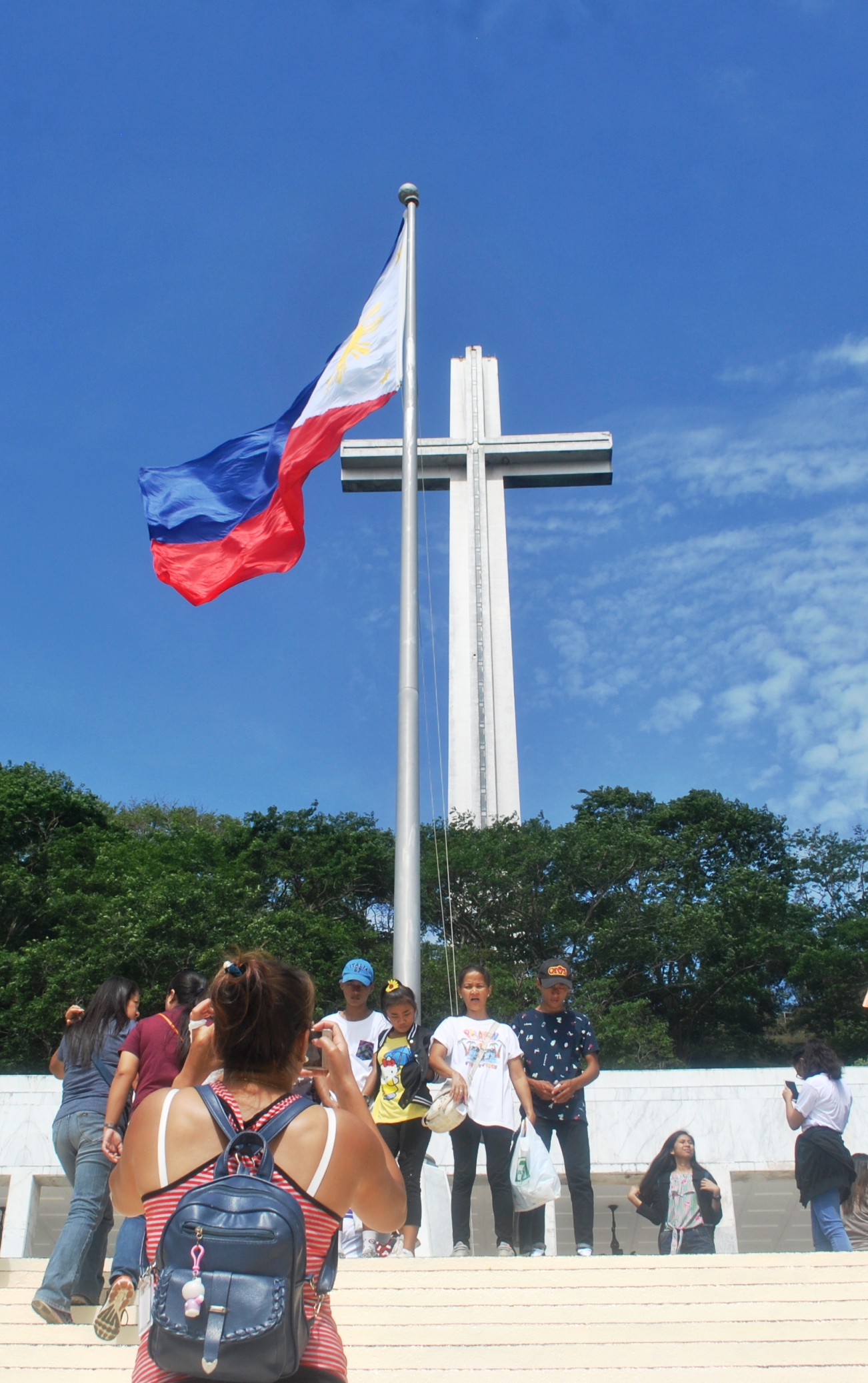
The development plan would center on the 92-meter high steel-and-concrete memorial cross that is located at the highest point of Mt. Samat, some 555 meters above sea level, and the colonnade below it that bears bas-relief sculptures depicting the Battle of Bataan, which is regarded as the most intense phase of Iperial Japan’s invasion of the Philippines during World War II.
Initorio said that Mt. Samat’s branding along the themes of heroism and valor would help build awareness, recall and immediate association of the place with these values among travellers.
According to Pilar town Mayor Alice Pizarro, there is a potential captive audience for the Mt. Samat toruism enterprise project because more than 330,000 tourists visit the municipality each year, mainly to see Cross of Valor site.
This number accounts for more than half of the tourists going to Bataan, the smallest province in Central Luzon, a region which enjoys some of the highest tourism arrivals in the country.
Former Army general Ernesto G. Carolina, who now heads PVAO, said the Mt. Samat tourism project would marry “beautiful story with beautiful scenery” — referring to Bataan’s historical narrative of war heroism and the natural beauty of the countryside here.
He also said the Samat development will be connected with other historical sites like Capas in Tarlac, where the Death March ended, as well as the nearby Subic and Clark free ports, which also played some role in the Second World War, in order to create a comprehensive story of courage and valor.
“Our story would instil national pride, tell visitors that they are part of a great nation, and also rekindle among Filipinos their love for country,” Carolina said.
Bataan Governor Albert Garcia, meanwhile, said that the project dovetails with the province’s heritage tourism program, which capitalizes on cultural icons like the authentic old Filipino houses at Las Casas de Acuzar and the planned bunker-type museum that would showcase Bataan’s history of valor and bravery, to attract local and foreign tourists.
He said the provincial government is partnering with tourism establishments to promote Bataan as a major historical attraction, especially to foreign tourists that come from cruise ships that dock at the nearby Subic Bay Freeport.
“But more than creating more jobs for local people, it is more important for the Mt. Samat FTEZ to develop a sense of patriotism among visitors, so that they would leave the shrine more inspired,” Garcia added.
Inotorio said that among the tourism attractions that may be packaged with the Mt. Samat FTEZ are Mt. Pinatubo in Zambales; Ocean Adventure Park in Subic Bay; Las Casa Filipinas de Acuzar in Bagac, Bataan; the Pawikan Conservation Center in Morong, Bataan; Camaya Beach Resort in Mariveles, Bataan; Capas National Shrine in Tarlac; Barasoain Church in Malolos, Bulacan; and Camp Pangatian War Memorial Shrine in Nueva Ecija.
TOP PHOTO: Homage to a Hero: The family of a departed veteran have their photos taken with a framed photograph of their kin at the Mt. Samal Shrine of Valor, as local and foreign visitors make a pilgrimage to the area to commemorate those who fought in the Battle of Bataan during World War II.

 Headline Zambales
Leave a comment