
Story and Photos by HENRY EMPEÑO
BOTOLAN, Zambales — What would it take to keep a promise? And what would it take to tell its story?
Three weeks ago, I joined close to a hundred volunteers to the old Ayta village of Villar in the foothills of Mount Pinatubo for an extraordinary mission: to bring Chickenjoy to Ayta kids and their families living in the shadows of the great volcano.
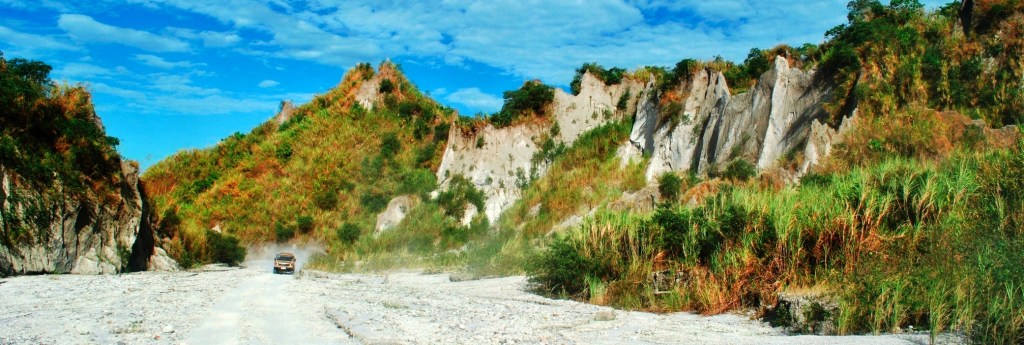
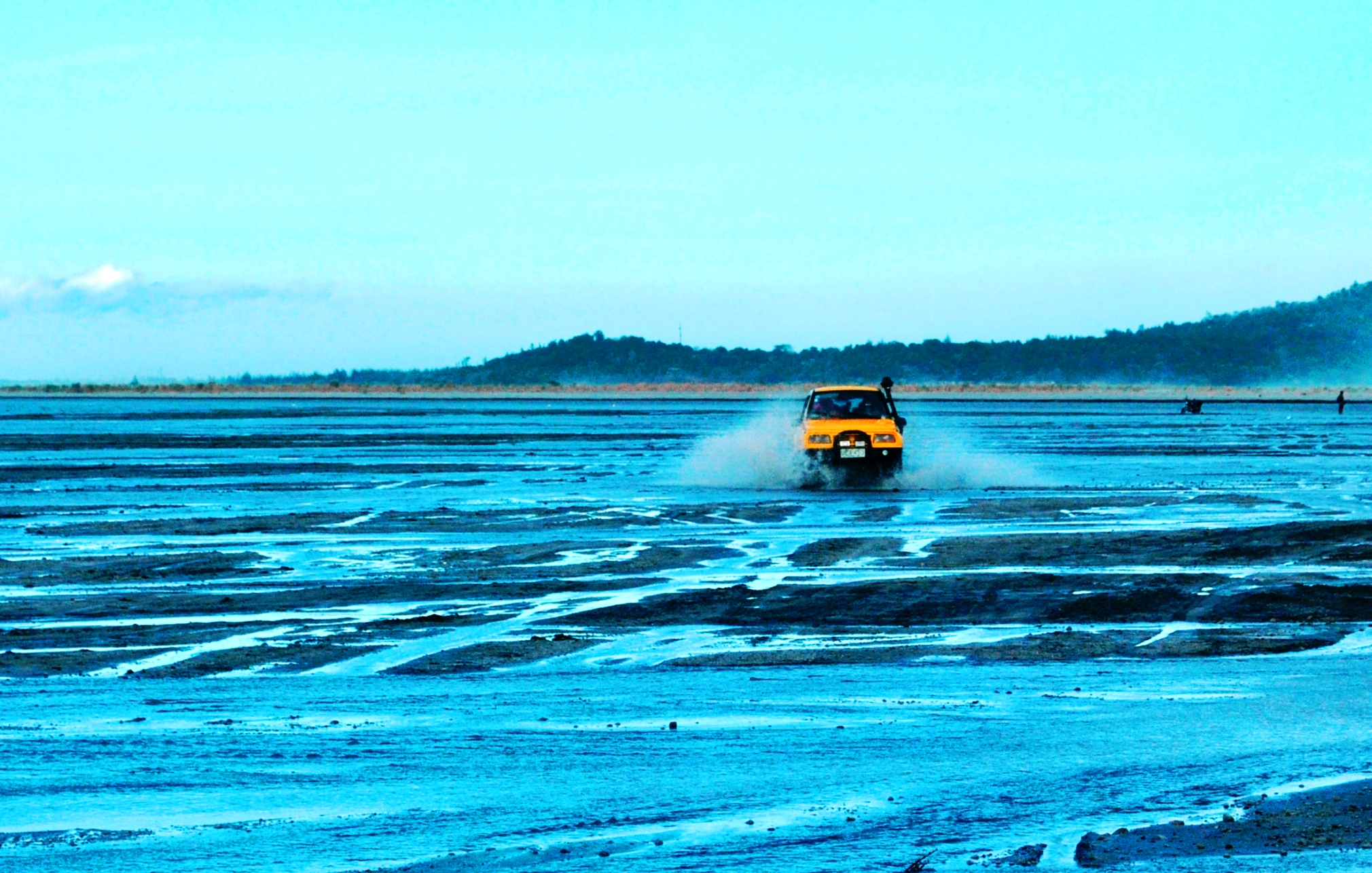
The trip took us more than 40 kilometers from Camp Kainomayan at Barangay San Juan near the sprawling Bucao River here where some volunteers spent the previous night, across dusty lahar fields and windswept foothills overgrown with cogon, along trails carved by rain and wind from pyroclastic deposits belched by Pinatubo 26 years ago, and finally to Sitio Quinagpicangcalahac, where the eroded dirt tracks taken by the sturdy 4×4 trucks surrendered to rocky footpaths. There, more than a hundred Ayta folk, most of them children, waited under two makeshift huts roofed over with dried banana leaves—anticipating the gift volunteers were about to give.
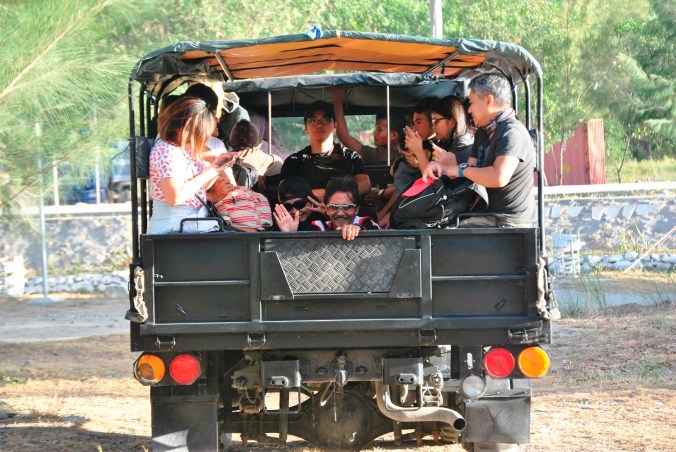
It was already 9:03 a.m. when the volunteers reached the Ayta camp, an hour past the appointed time. The 4×4 ride from Kainomayan started at 6:30 a.m., but took one hour more than the one-and-a-half advertised in tour packages promoted by the Botolan Tourism Office. The ride was both dusty and bumpy, but the volunteers were in high spirits.
“This is a worthy cause and an adventure rolled into one,” beams Mara Dumaguing, a volunteer from Castillejos, Zambales, as she helped carry boxes of juice drinks and fried chicken meal from the. “You get to help others, and you get to visit Pinatubo as a bonus.”
“Right now, my body is already sore from the 4×4 ride,” she adds. “But—bring it on— I’m ready for what more is to come.”

The Promise
The volunteers travelled to far Quinagpicangcalahac that windy Saturday morning of January 20 all because of a promise made by Ruffie Nyhl Cruz 15 days before. A travel blogger from San Marcelino, Zambales, Ruffie hiked to Mount Pinatubo on January 5 with some cousins and, on the way up, met some Ayta children on the trail and snapped some pictures with them.
“I wanted to give something to the kids—like candy or something to eat, but I didn’t have any,” recalls Ruffie. “So I promised them that when we came back—if ever we came back—I’ll have something for them.”
Then, as Ruffie’s group were leaving, one of the kids shouted after him: “Kuya, when you come back, we want some Chickenjoy!”
Back home, what was initially an offhand remark said simply to be nice to some kids on the wayside became an idea that racked Ruffie’s imaginings. Last December, Ruffie and blog partner Faye Arceo successfully organized a gift-giving project through their Bisikleta Pilipinas travel website. They called it the BisikleSANta Project. So, yes, why not make a similar effort to bring the Pinatubo kids some Chickenjoy and grant them their wish?
The next day, Ruffie posted on the Bisikleta Pilipinas site a photo of him taking a selfie with two Ayta kids by his side and six others in the background, grinning atop a huge boulder by the trail. With it, he asked people to tag Jollibee, challenging the giant fastfood chain to prove that it “also had a big heart, not just a huge behind”—a reference to the plump company mascot.
In less than 24 hours, Ruffie’s Jollibee post on the Bisikleta site got almost 2,000 likes, 957 comments and 647 shares. The same message on his personal Facebook account received 296 likes and 139 shares. Two days later, on January 8, Jollibee emailed Bisikleta and officially confirmed it would give Chickenjoy for the Ayta kids.
Project Chickenjoy
The charity hike to Mount Pinatubo soon took shape—and fast. With a pledge from Jollibee for 200 boxes of one-piece Chickenjoy meals and an equal number of fruit juice in tetra packs, the project gained more partners.
Botolan Mayor Bing Maniquiz and Botolan Tourism Office head Iska Cruz provided a 20-seater 4×4 truck to transport the project staff for free, and also gave discounts for paying volunteers who will take two other vehicles. Jake Mactal of Cerana Farms in Botolan offered their place as campsite for volunteers from Manila who had to sleep over the night before the trek, and also provided free kamote pandesal, hibiscus juice, and locally brewed (and grown) coffee for the campers. Mayor Jay Khonghun of Subic, Zambales gave 100 bags of groceries that each included two kilos of rice, and some tinned food and noodles.
Meanwhile, Blue, donated 300 bottles of its flavored water brand; Jackie Lou Ribot of Project Big Books joined in for storytelling and games; and Mhina Bocalbos, from the regional social welfare and development office, set a lecture on women’s and children’s rights.
An anonymous Good Samaritan also gave P5,000 for additional Chickenjoy meals, for a total of 270 boxes; while another donor sent in P3,000 for coffee and more rice, canned goods and noodles for the Ayta families.
BusinessMirror/Headline Zambales, of course, volunteered to cover the project, along with the Zambales correspondents for Manila Bulletin and Remate, and several freelance photographers and bloggers from Manila.
The bulk of the Project Chickenjoy team, however, were “paying volunteers” like Mara and her siblings Marty and Karen, who each shelled out P1,300, the discounted rate for the 4×4 ride that any other tourist on the Mt. Pinatubo tour package had to pay. More than 50 other volunteers were in Mara’s category—paying their way to be of service.
The Chickenjoy Run
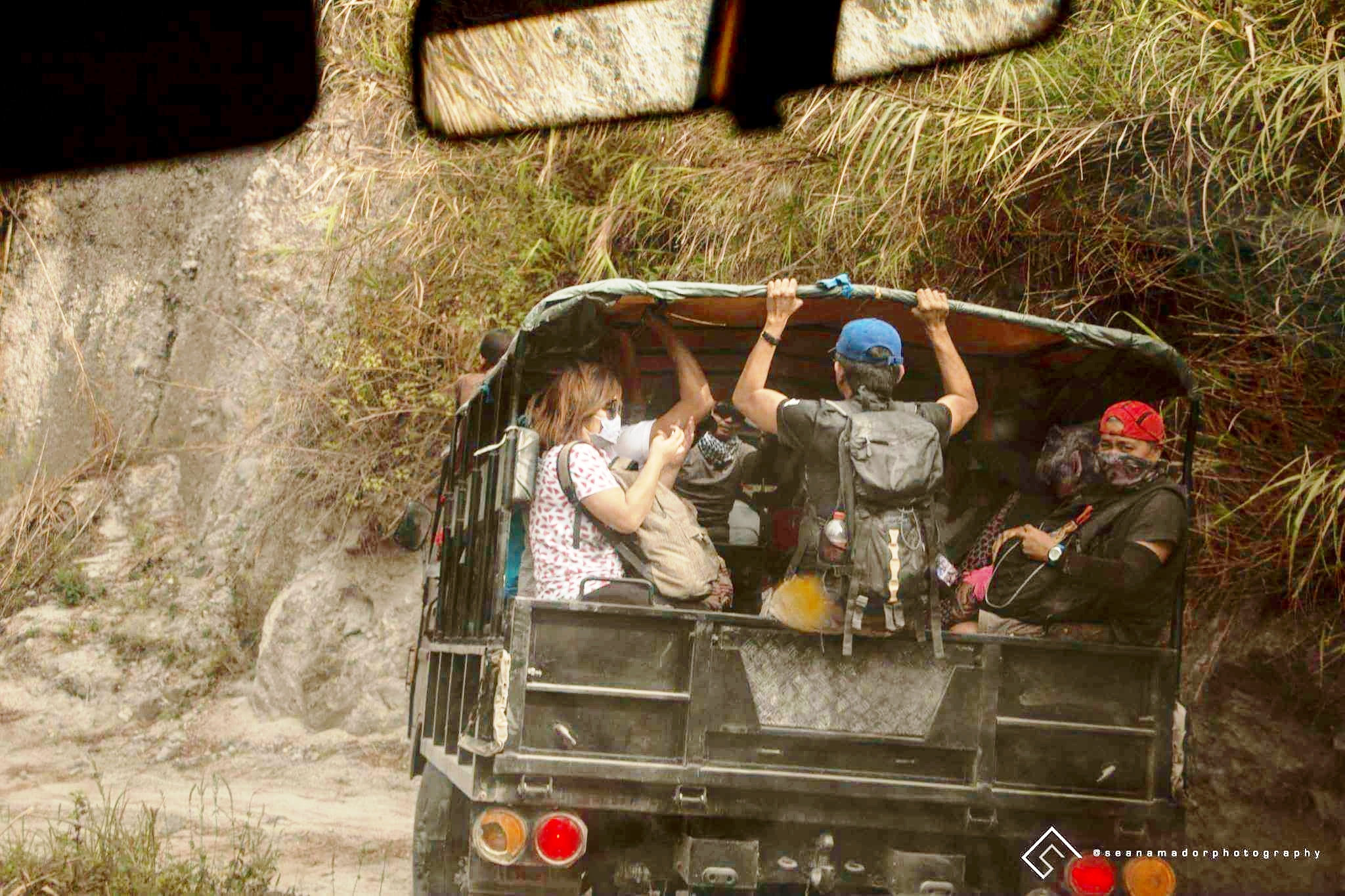
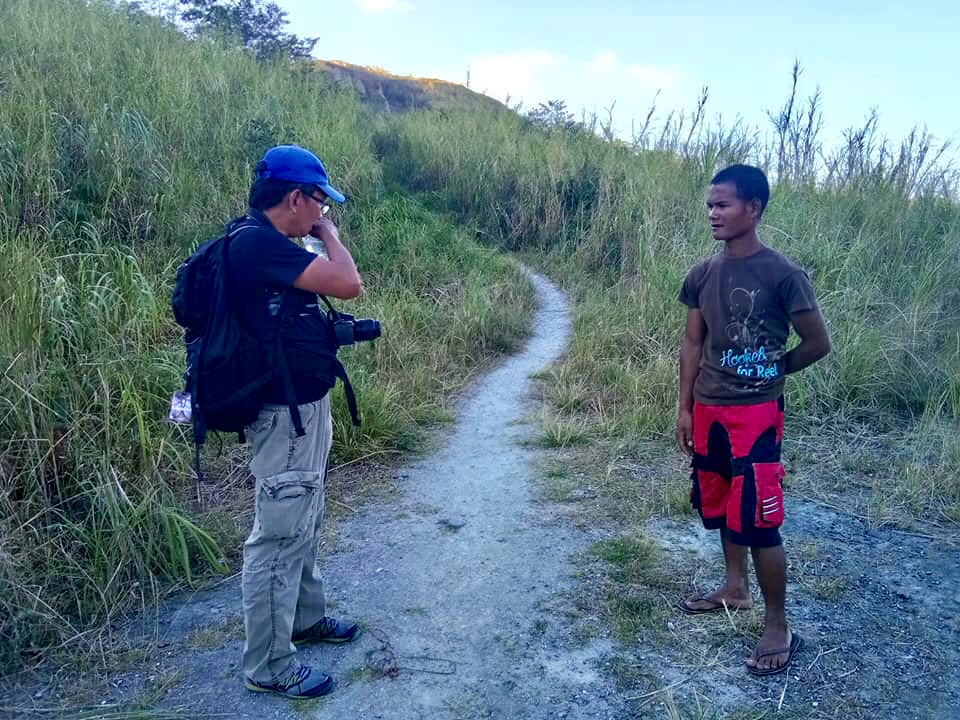
Two military-type trucks and five 4×4 SUVs rolled out of Camp Kainomayan for the trip to Quinagpicangcalahac that morning of January 20. And because one other 20-seater truck conked out just before the trip, the vehicles were packed like the proverbial sardine cans, with a lot of volunteers sitting on the metal floor, along with boxes of food and drinks. I was perched precariously on the tailgate of Truck No. 2, trying to squeeze in shots on my Nikon with one hand while the other kept balance.
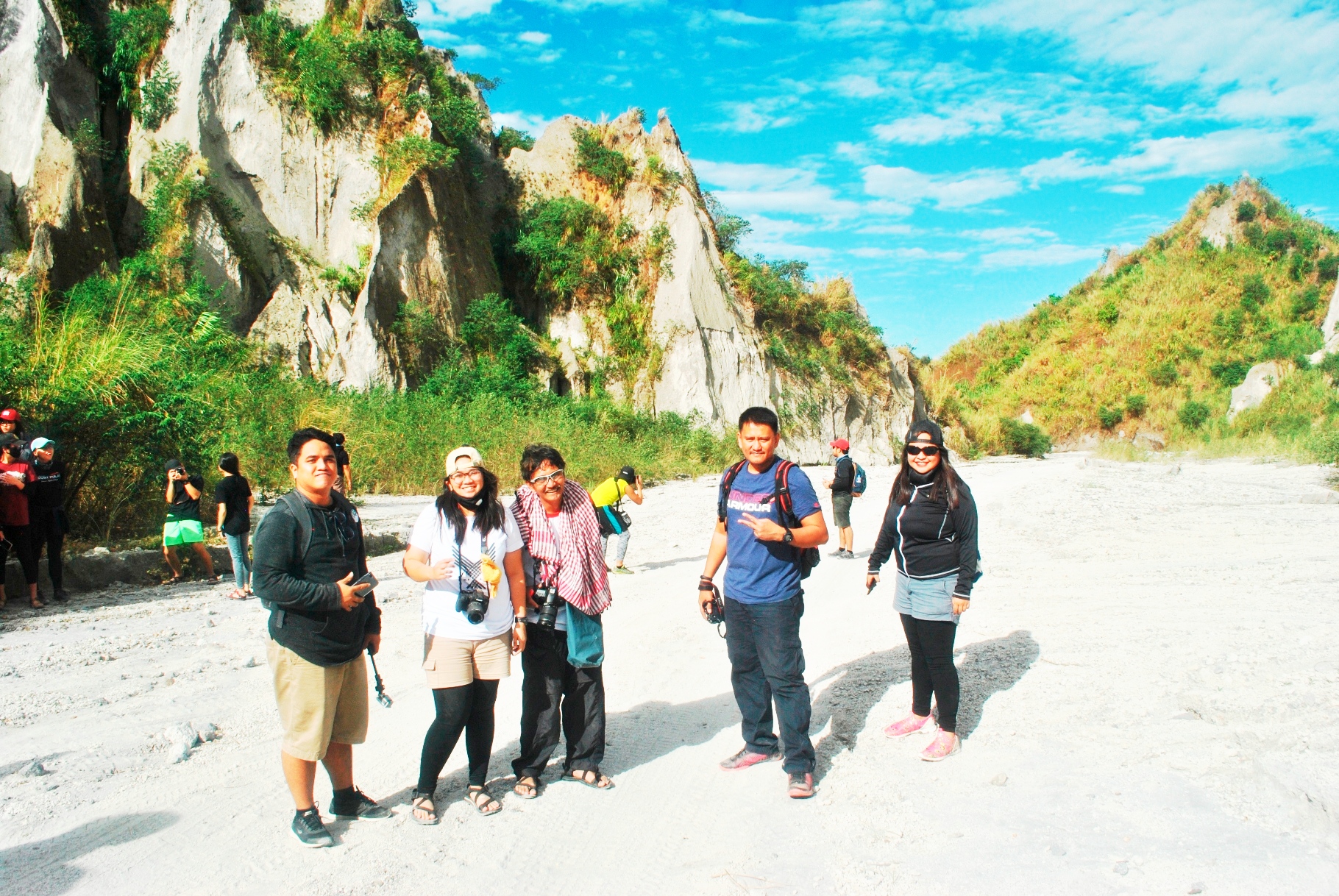
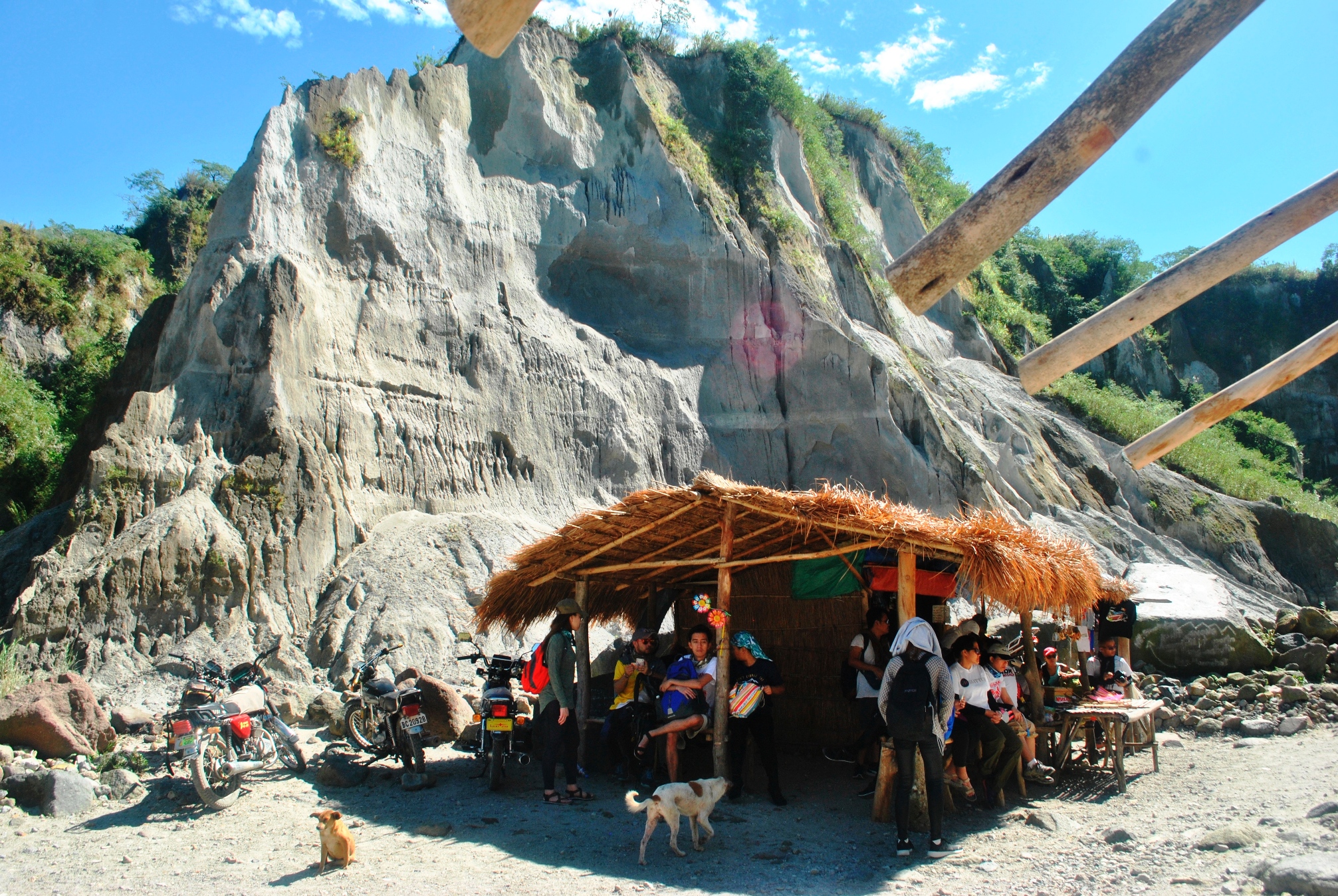
For two and a half hours, with a longish stopover at the Bucao river crossing to wait for the rest of the SUV convoy, and a brief photo-shoot stop at the “Sandcastles” area where the team posed amid backdrops of sculptured lahar hills, we jangled and jingled in a bone-rattling ride that followed nondescript trails in the lunar landscape of the Botolan lahar field and along white gashes of exposed sand that cut across cogon-covered hillocks formed by the Mount Pinatubo eruption 26 years ago.
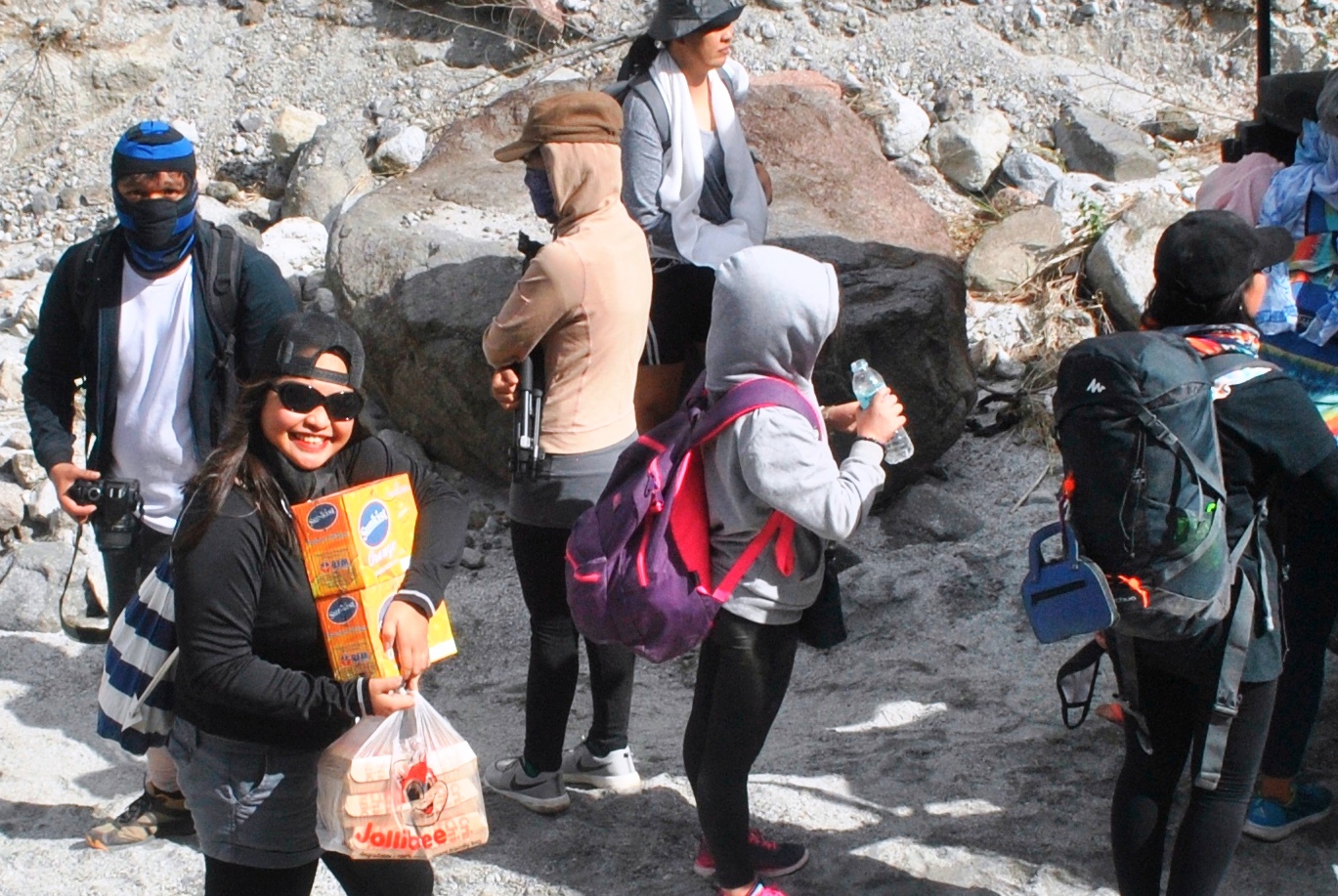
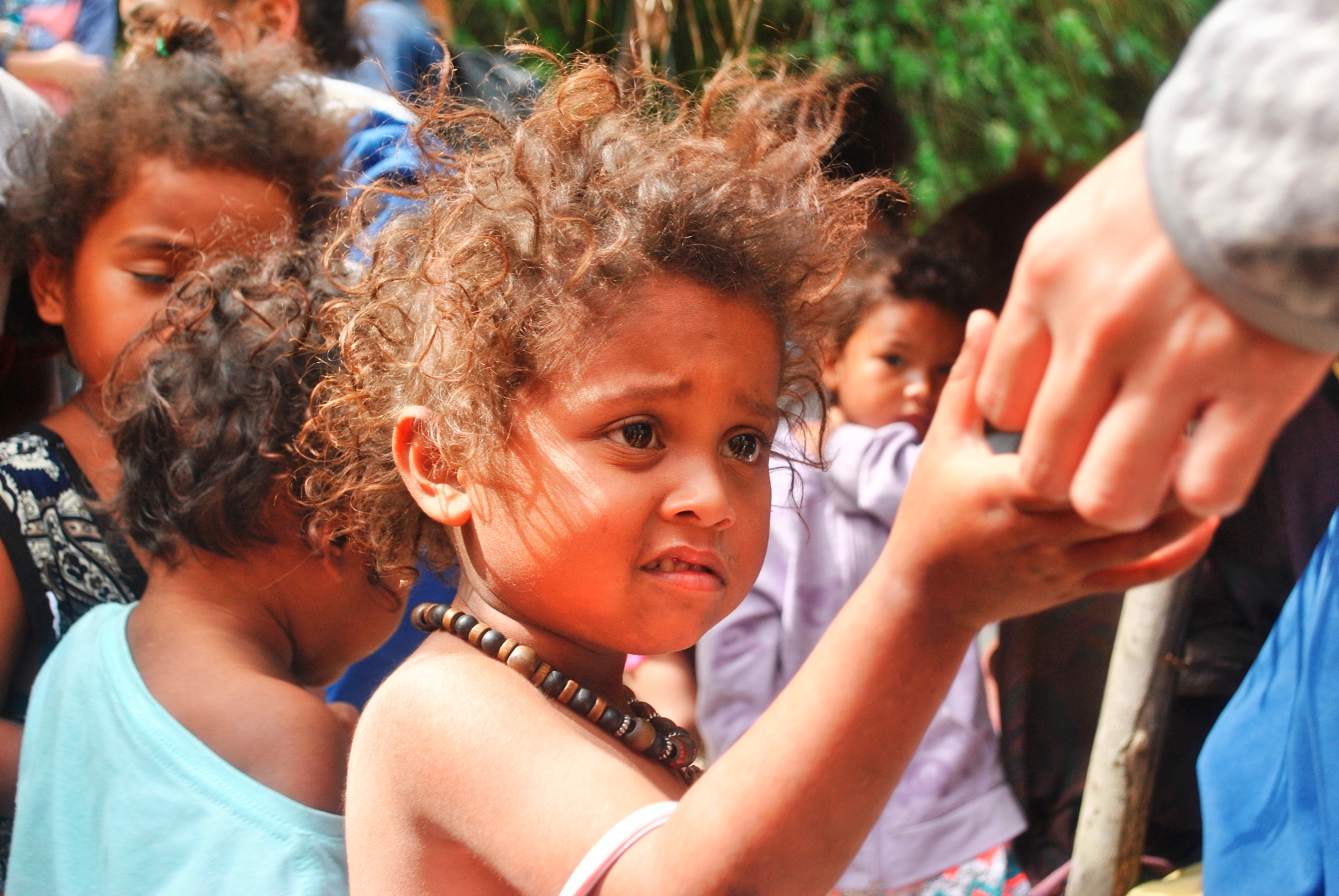
But at the end of this wearying journey was an uplifting sight: volunteers making a beeline to the Ayta camp, carrying their promised gifts, and them being welcomed by the shy Ayta folk—eyes smiling and expectant, even longing, yet silent of their wants.
Three other vehicles were already on site—taken by Botolan residents and officials who extended a hand in the project. Faye Arceo, the other half of the Bisikleta blogsite couple who organized the project, fought to contain the welling emotions of pride and joy, as volunteers went on with their individual missions.

Under one hut, Mhina Bocalbos was discussing women’s and children’s rights to Ayta couples. Outside, Jackie Lou Ribot was telling the story of “Rita Marungis” and teaching the kids about personal hygiene. The other volunteers were going around, distributing their own personal donations of chocolate candies, clothes, pencils and writing pads, and toys. Some played games with the children.
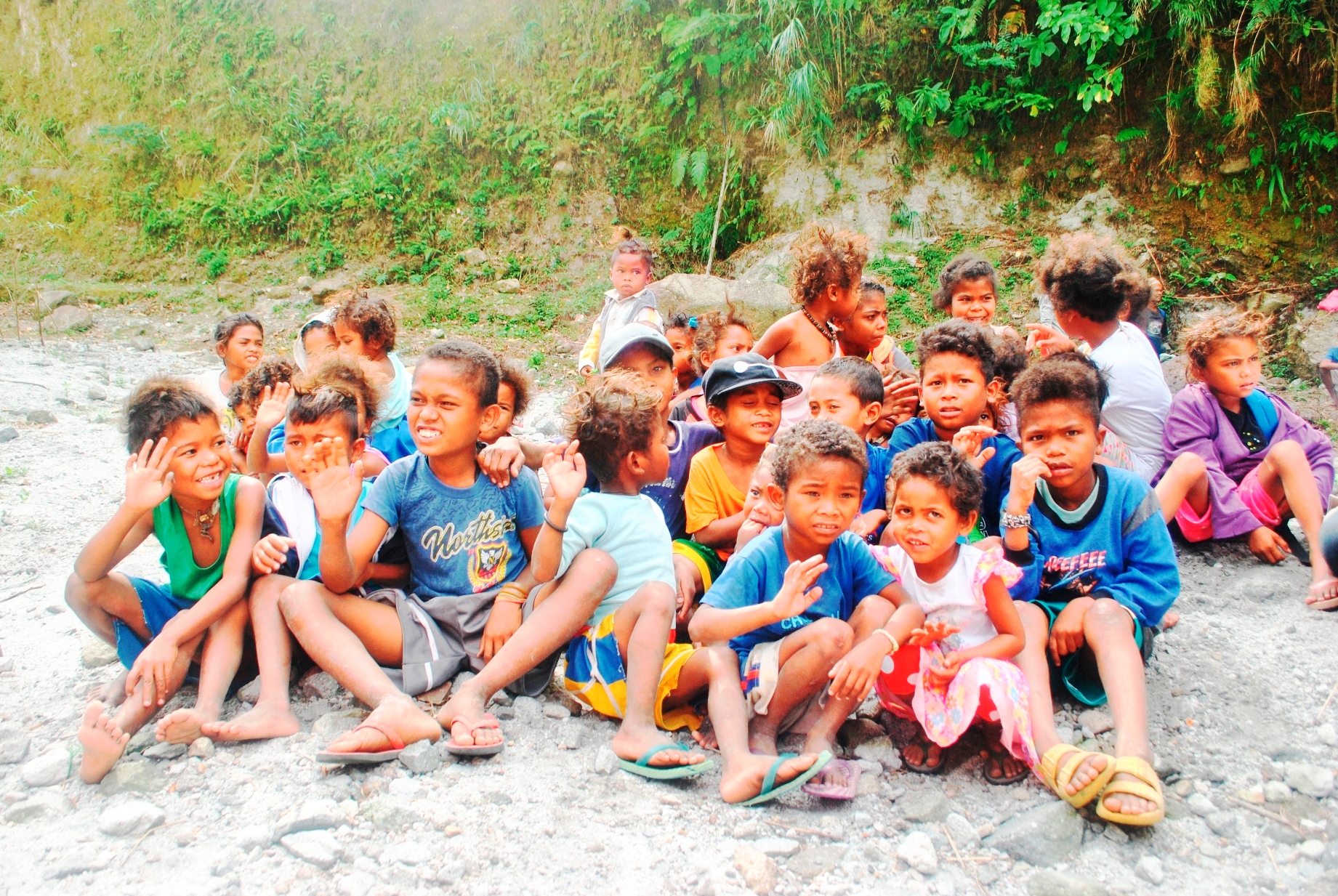
And then at 9:30 a.m., the volunteers began distributing the coveted Chickenjoy meals. In this mountain setting, where the Ayta tribesmen partook of what food they grew and captured in the hills and nearby forests, a piece of fried chicken smothered by delicious gravy constituted a feast.
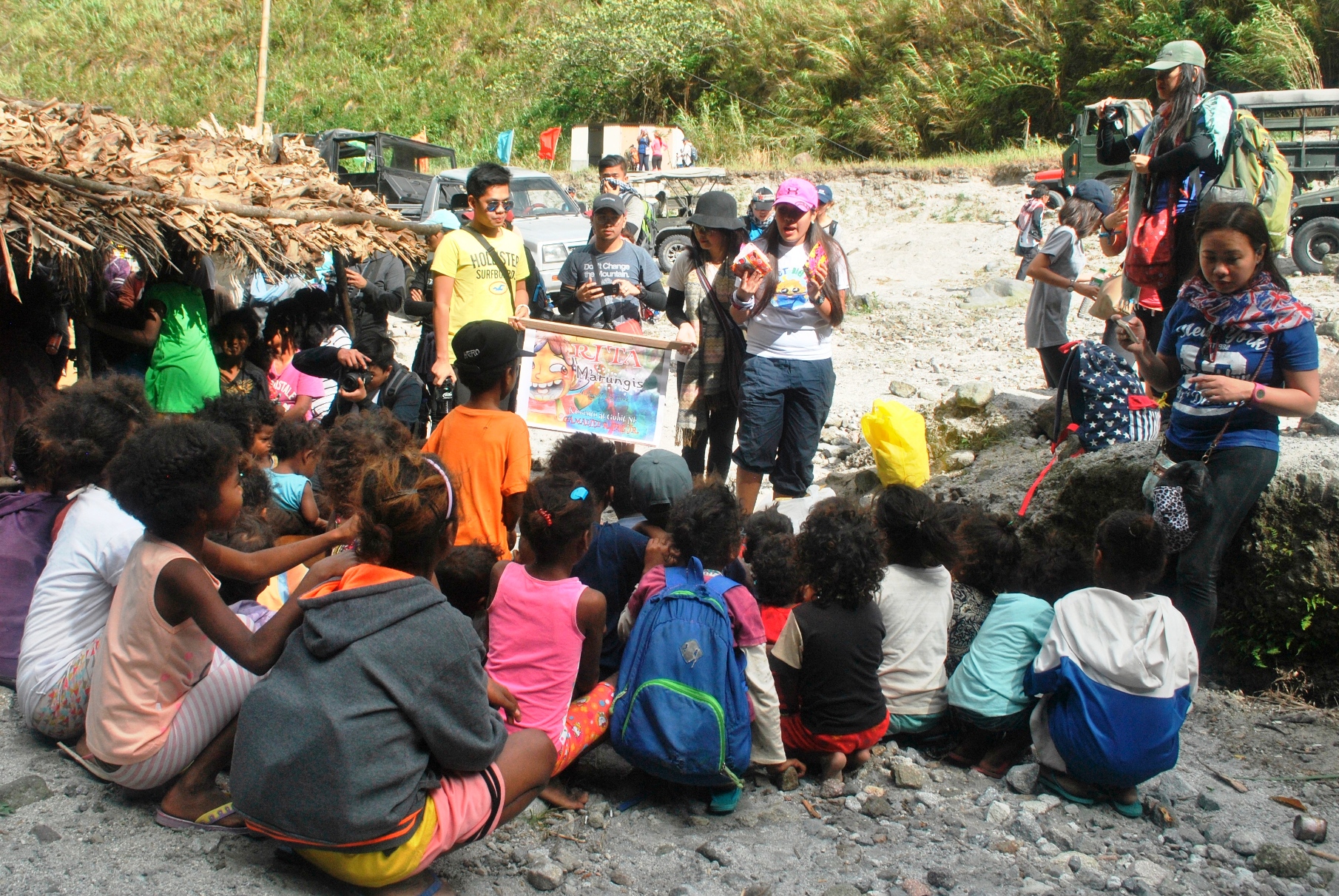
“Ahh, it really inspires you to see the children smiling, and all so happy,” Faye now recalls, citing that one scene in the shadows of the Quinagpicangcalahac river valley.
“We’re a team who shared our hopes, wanting to put a little smile on their faces,” says photographer Sean Amador, who documented the project. “We had a few things to give, and plenty of life’s lessons learned to share.”


The Race
With the promised gift of Chickenjoy distributed, the volunteers now set their sights farther to the east, to that mountain that sheltered the Ayta tribes ages ago but had caused their scattering in 1991. For a lot of volunteers, the chance to trek to Pinatubo and stand on the slope of that historic volcano that changed much of Central Luzon’s topography, as well as the lives of thousands of its people, was one big come-on to the Chickenjoy Project.
On a personal note, visiting Pinatubo was a promise I made to myself as a native of Zambales eons ago. Days before the June 15, 1991 eruption, I was in the mountain barangays of Botolan to cover the Ayta exodus. I know that some of the volunteers I was with now were not even born yet when old Pinatubo blew its top.
This was not my first attempt to see Pinatubo, however. In 2014, I joined another 4×4 expedition via San Felipe, Zambales, but the actual hike to the crater was aborted as there was no more time to make it back to town (and safety) before nightfall.
This was the same problem we faced now with the Botolan approach, where you get almost twice as much the distance and travel time compared to the more commonly-taken route from Sta. Juliana in Capas, Tarlac. Under the Project Chickenjoy schedule, we were supposed to leave Camp Kainomayan at 6 a.m., reach the Ayta camp at 8, start the hike to Pinatubo at 9, arrive at 11, have lunch and photo ops at the crater lake site for two hours, then start the hike back to Quinagpicangcalahac at 1 p.m. for the 4×4 drive to Botolan town at 3.

But with unexpected delays, the Chickenjoy team started out for the Pinatubo crater at 10:30, a full 1.5 hours behind schedule! Wanting to see Pinatubo, but also needing to go back to camp while there was still light, turned what was described to us as a ”leisurely hike” into a race for time.
The Prize
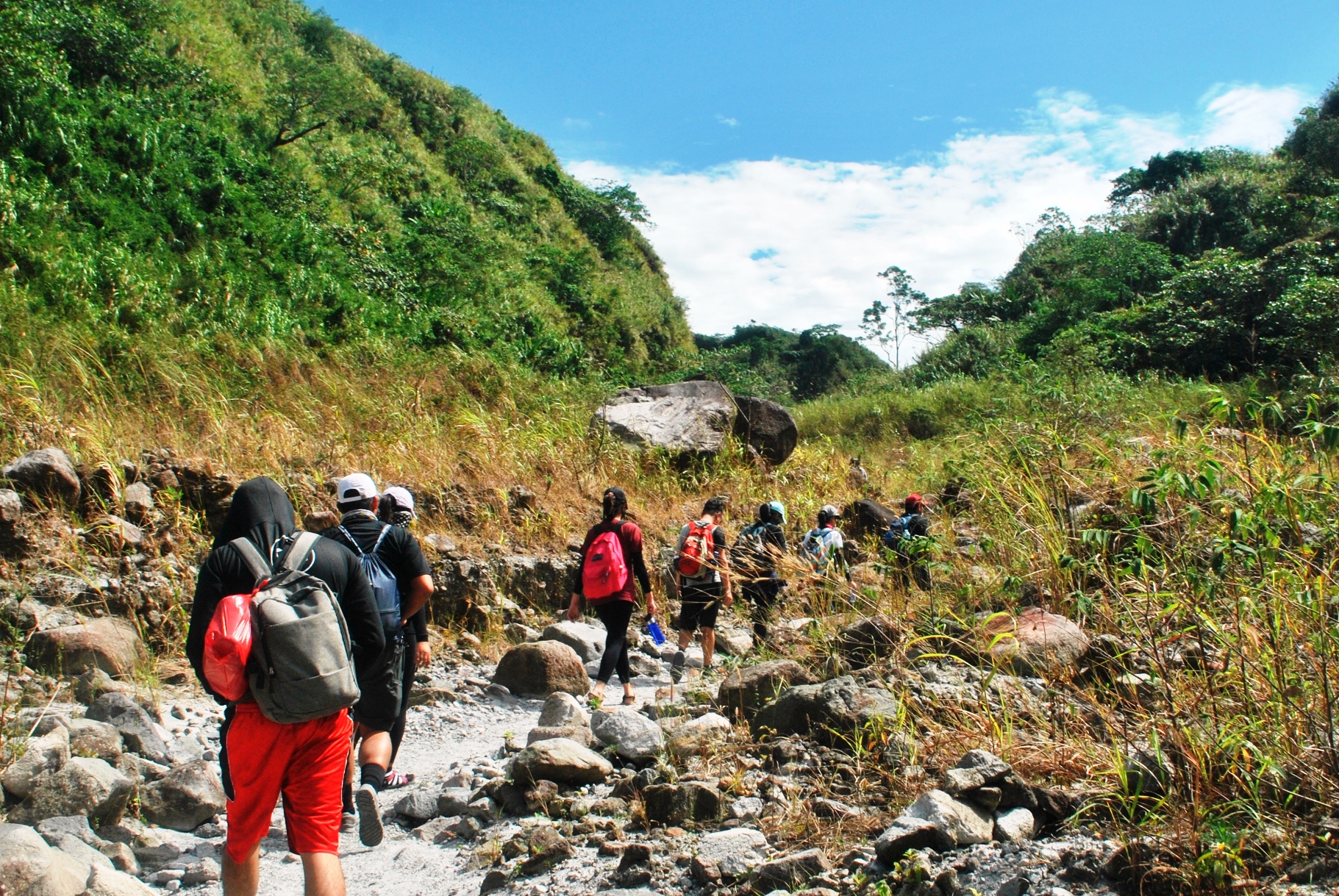
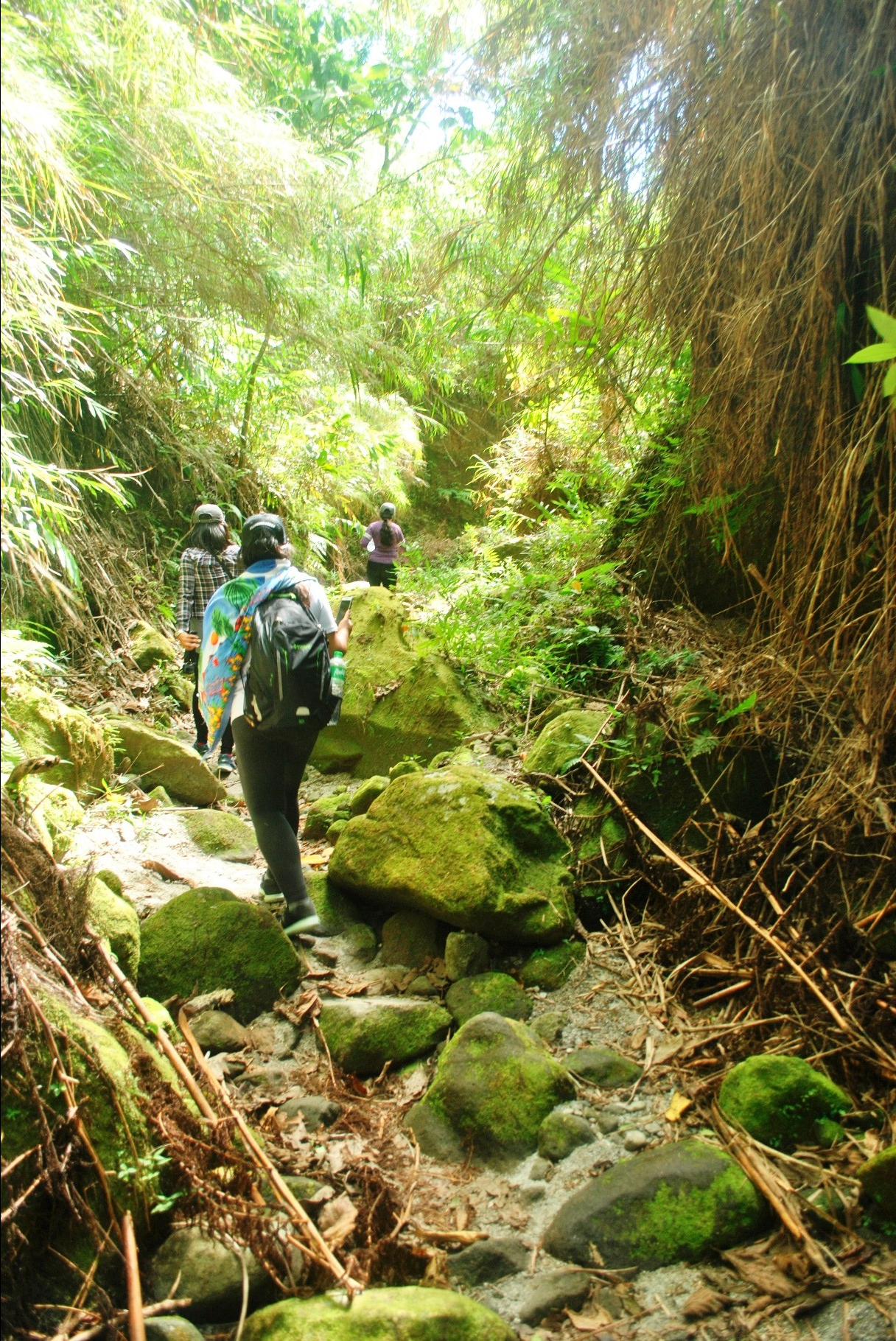
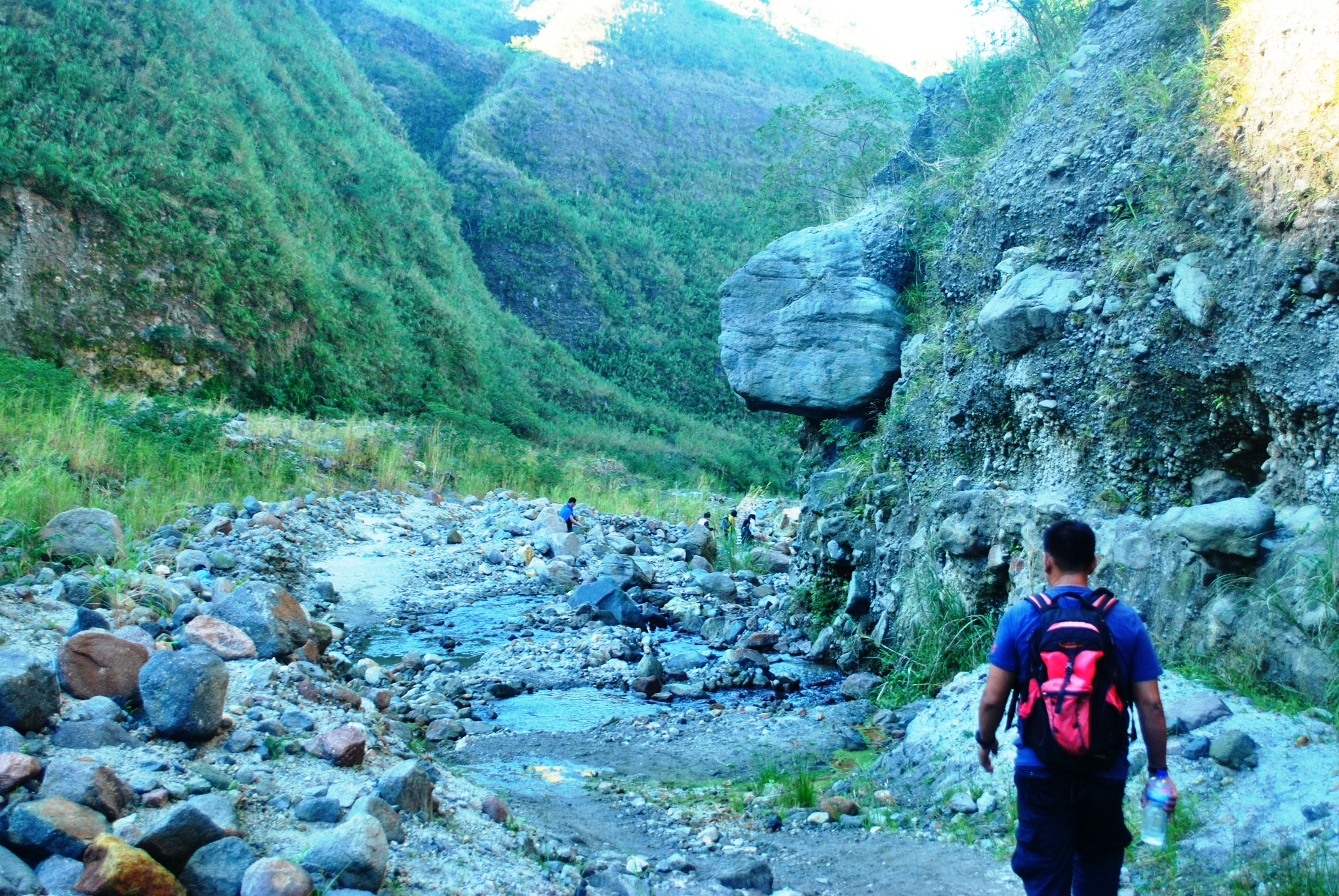
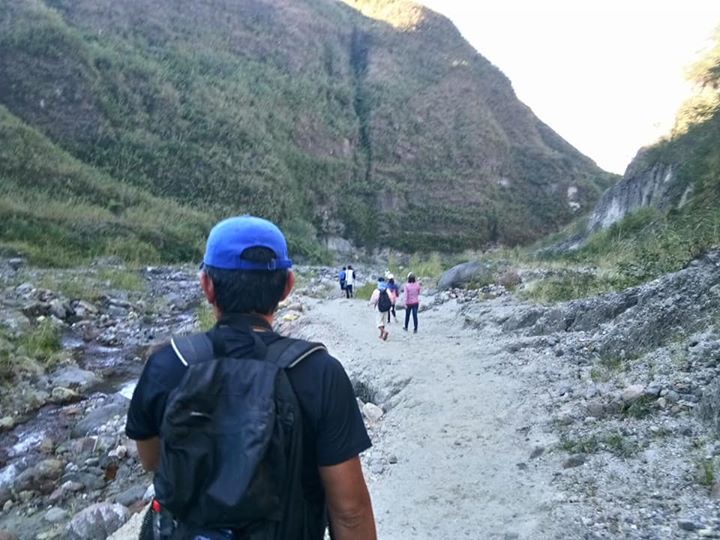
The path less taken, however, was a joy. From Quinagpicangcalahac, we followed a meandering river valley that soon narrowed into dry stream beds bounded by small bamboo, cogon grass and giant fern trees. The air here was mountain cool. Soon, a steep wooded slope gave way to a series of cogonal hillocks where some Ayta folk had their patches of “gasak” or upland farms.

This was the old Barangay Belbel, which I remember was actually a plateau before the Pinatubo eruption. Its residents, as well as those of six other upland communities affected by Pinatubo, had since relocated to the Loob-Bunga Resettlement Area several kilometers near the town center. But years after, when the Pinatubo foothills had stabilized, people began moving back to their old places, chiefly to farm.
Down the Belbel plateau, we reached the junction where the Capas and Botolan trails met and merged into another river-valley path leading up the Mount Pinatubo slope. At past 12 noon, we met groups of trekkers from the Tarlac side who were already on their way back from the crater. We realized that we were, by now, almost two hours late.
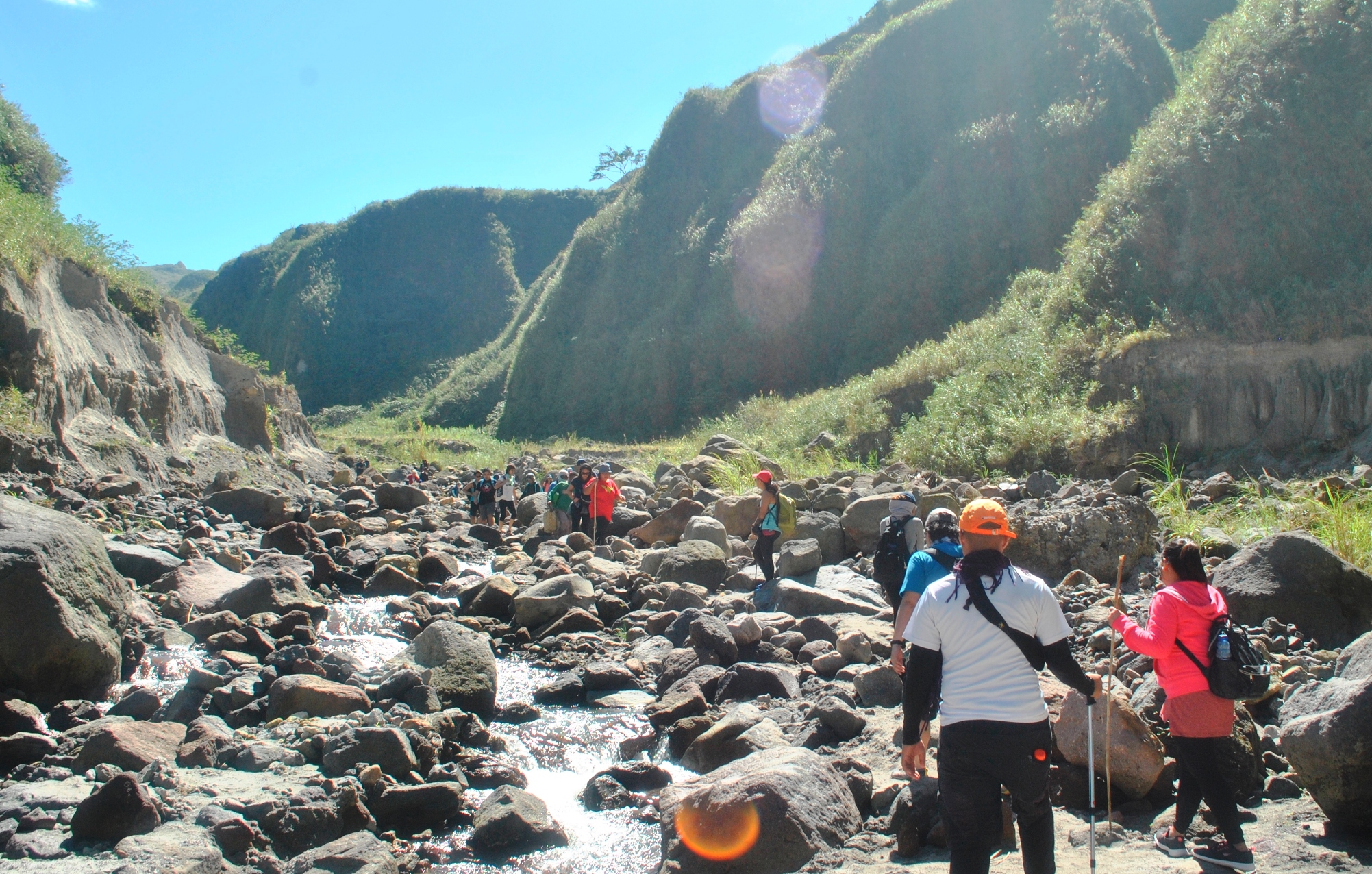
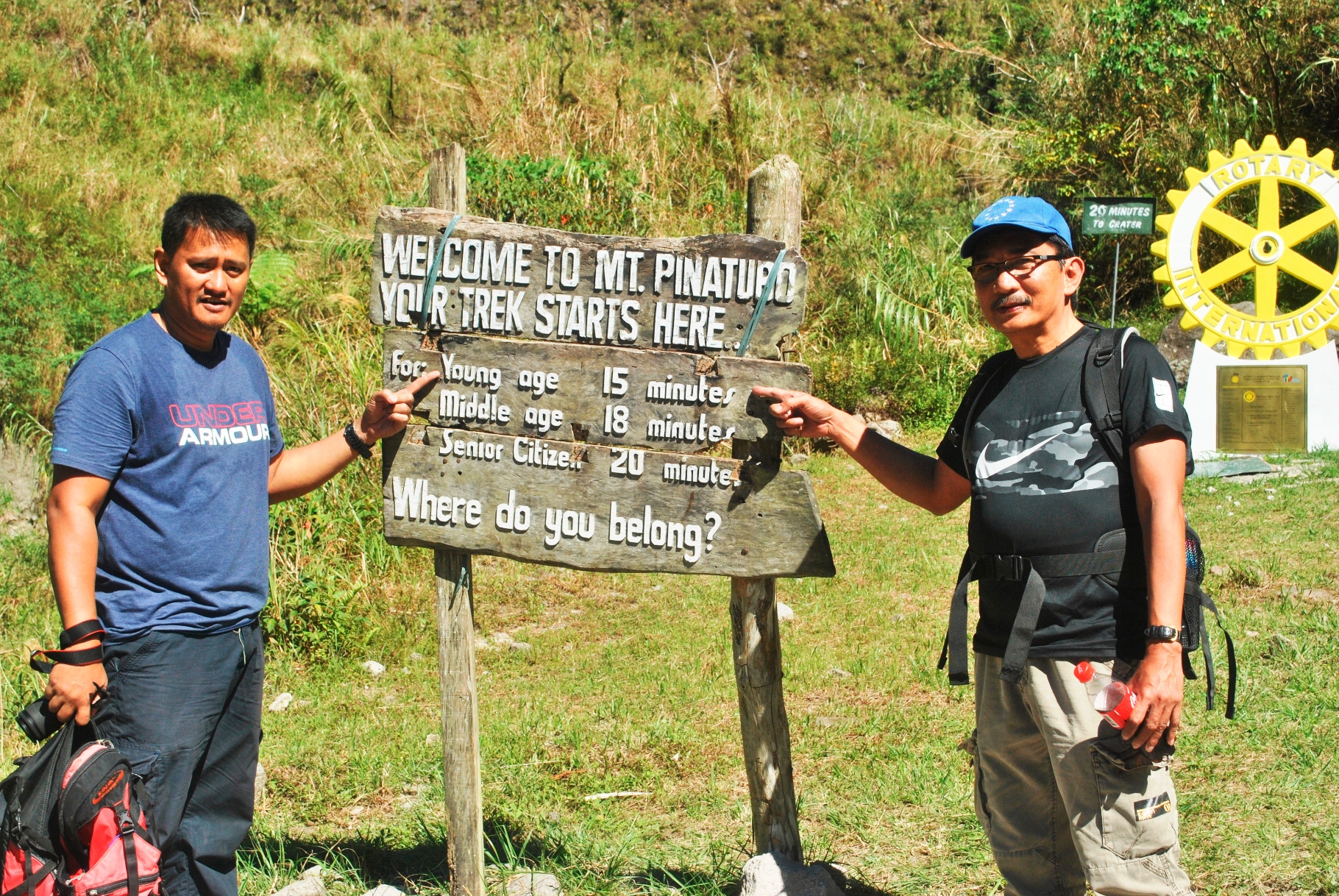

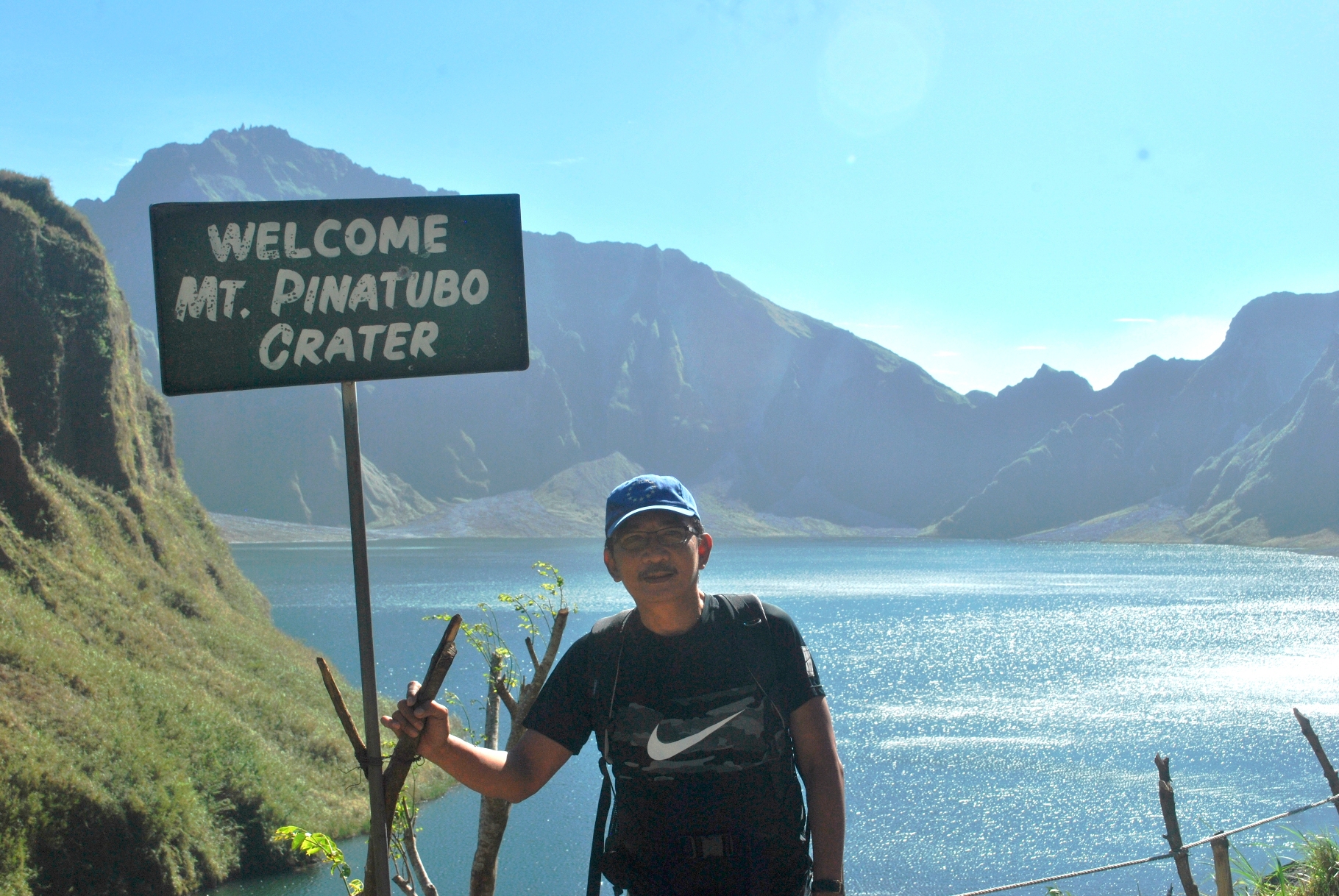
From the junction, the climb reprised the previous pattern: from a river narrowing into stream, to an ascent up a steep, wooded slope, followed by hills of cogon. But after one and a half hours of hiking, we emerged from the woods and sighted the ultimate destination. The Pinatubo crater lake was spectacular. And eerily beautiful.
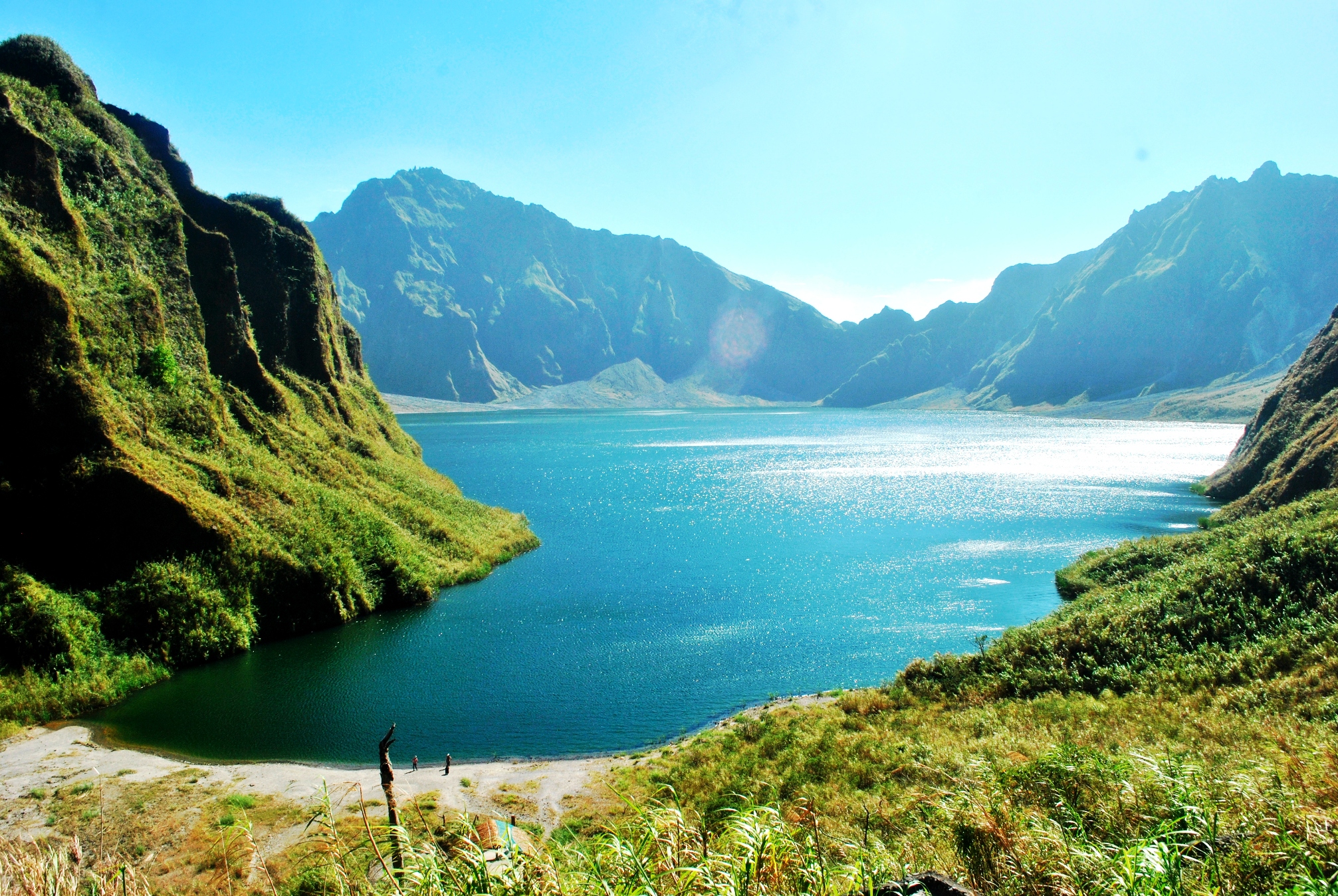
Fulfillment
We arrived at the Pinatubo crater-lake camp at about 1:30 p.m., and after just 30 minutes there, had to head back home. The trail we had to take was the exact same route we took on the way up and, by now, our muscles were groaning. Still, somehow, the path already looked familiar and seemed shorter. So, group by weary little groups, members of the Project Chickenjoy team straggled back to the camp where the 4×4 vehicles were waiting.
At Quinagpicangcalahac, dusk began setting in at 4:30 p.m., a usual occurrence in a mountain valley like this. Still, we had to wait for almost an hour before the last hikers arrived, among them a volunteer who sprained his ankle from the trek. When we finally left at around 5:30, our Ayta friends had since gone back to their mountain abodes. There were no more Ayta kids playing and laughing about. But even in the deepening darkness, memories of their bright, happy faces lingered.
It was a day well spent. Back on the bumpy, dusty 4×4 ride to Botolan town, I almost couldn’t believe the things we did to keep a promise. Or, for that matter, to tell the story.


 Headline Zambales
Leave a comment